3 ways to find and nurture better friendships
Why do you think anything is normal? Presumably, somewhere in your childhood, someone normalized things. Your parents only ever talked about certain subjects. Your friends dressed and behaved in a certain style. The miasmic shadows of society told you that some kinds of thoughts are acceptable, and others are deviant. Suppress! Deny! It’s abnormal. One of the hundred reasons I love philosophy is…
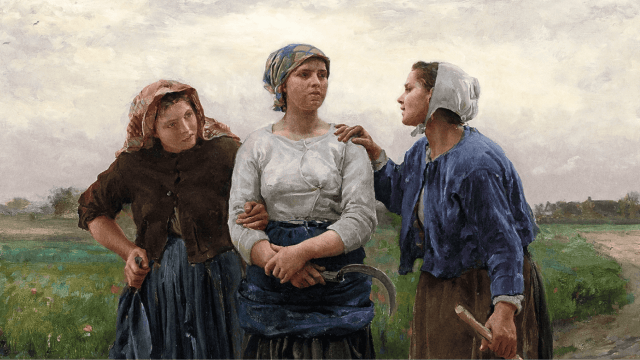
Discovering and nurturing better friendships requires examining our own notions of what a "normal" relationship should entail, as well as understanding the role of early friendships in guiding our social development. Philosophical and psychological perspectives reveal that our understanding of healthy relationships is often shaped by our childhood experiences, attachment styles, and the influence of our first best friends.
A significant shift occurs during preadolescence, when children often form a deep, reciprocal bond with a "best friend" - a phenomenon called the "quiet miracle of preadolescence." This early friendship teaches individuals how to love, support, and care for others, laying the foundation for healthy relationships in later life. Research supports this idea: a study from the University of Virginia found that strong friendships during adolescence positively influenced self-worth, reduced anxiety and depression, and even improved physical health in later adulthood.
To discover and nurture better friendships, it is essential to audit our own expectations and recognize the value of various types of relationships. Not every friendship needs to involve constant communication, and the loss of a close friend does not necessarily signal failure. In fact, research suggests that half of an individual's close network is replaced every seven years, emphasizing that quality relationships are more important than sheer quantity.
By embracing this understanding, we can approach new friendships with renewed hope and avoid unnecessary guilt or effort in maintaining friendships that have naturally evolved or concluded their purpose.
Written by urgent.news from Big Think's reporting — not their text. Machine-written — may contain errors; check the original before relying on it.