Why this new Fitbit feature takes us one step closer to non-invasive glucose tracking
Insulin resistance and blood pressure trends are now available on two new Fitbit devices.
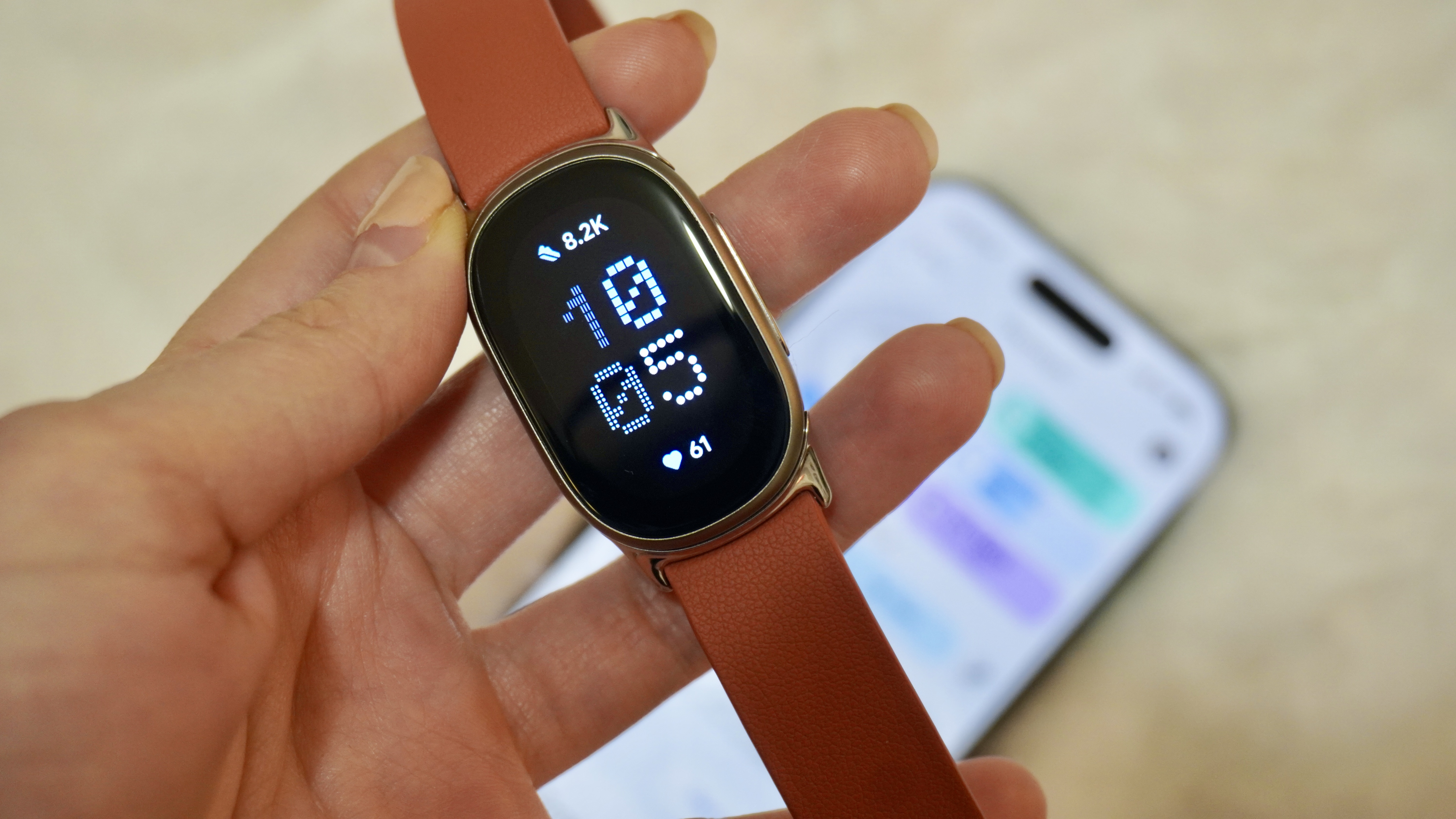
Google has introduced new features on Fitbit Air and Edge devices, bringing them closer to non-invasive glucose tracking. These features, part of Google's "Health Guardian" suite, include tracking insulin resistance and blood pressure trends. Although it does not directly measure glucose levels, the algorithm analyzes heart rate, activity level, sleep, and other metrics to show changes in metabolic health, which could indicate insulin resistance—a precursor to type 2 diabetes.
The insights are available to Google Health Premium users, a $100 annual subscription. The insulin resistance feature monitors shifts in metabolic health through Fitbit sensors, using a multimodal model trained on data from various wearables and demographic data. By detecting elevated insulin resistance patterns, users are notified to take additional action.
While not as advanced as a non-invasive continuous glucose monitor, this development suggests Google is moving closer to that reality. Google's progress in insulin resistance tracking puts it ahead of Apple, which has been rumored to be working on a similar feature for years.
Written by urgent.news from ZDNet's reporting — not their text. Machine-written — may contain errors; check the original before relying on it.