Wheat sowing lags at 11,000 hectare so far amid deficient monsoon; rabi acreage down
Wheat sowing in India has reached 11,000 hectares as of October 23, against 27,000 hectares a year earlier, as a deficient southwest monsoon raises concerns over soil moisture and irrigation availability. Punjab and Rajasthan face particular risks, while overall rabi crop coverage has also fallen, Agriculture Ministry data showed.
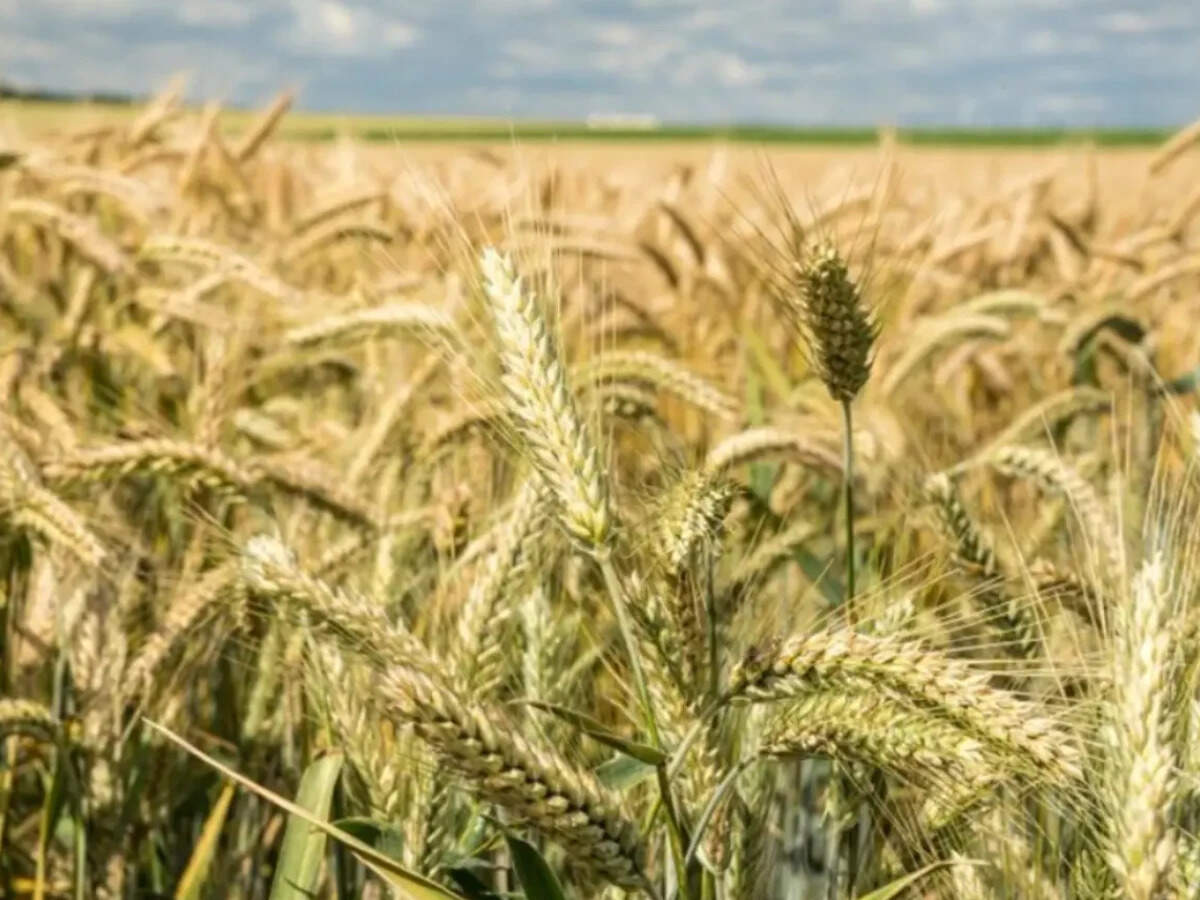
New Delhi: The sowing of wheat, a crucial rabi crop, has only begun in limited regions, covering just 11,000 hectares so far. This is a significant decline from the 27,000 hectares sown during the same period last year, as indicated by data from the Agriculture Ministry, released on October 23. Wheat is typically planted between October and November and harvested between March and April.
In the 2025-26 crop year, wheat was cultivated across 336 lakh hectares. The ministry has set an ambitious production target of 121 million tonnes for the 2026-27 crop year, driven by a record 120.7 million tonnes harvested in the previous year. However, the southwest monsoon, which ran from June to September, fell short by 13 percent compared to expectations.
This shortfall leaves less residual soil moisture and reduced water levels in reservoirs and canals at the onset of the rabi season. With wheat requiring multiple rounds of irrigation following sowing, inadequate rains can lead to delays in planting, shrinkage in acreage, and potential yield losses. Two key states, Punjab and Rajasthan, are especially vulnerable, with rainfall deficits of 38 percent and 22 percent respectively, and below-normal reservoir storage by the end of September.
Together, these states make up approximately 31 percent of India's wheat area. Consequently, irrigation challenges in these regions could have a substantial impact on national sowing. Experts also warn that rainfed and poorly irrigated areas in Rajasthan, Madhya Pradesh, Gujarat, Bundelkhand, and parts of central India are particularly at risk, as they lack reliable alternatives to canal or groundwater irrigation to compensate for the missing monsoon moisture.
Other crops have also been affected. Rice acreage, for instance, has dropped to 1.02 lakh hectares as of October 23, compared to 2.13 lakh hectares a year earlier. Similarly, pulse cultivation has fallen to 3.27 lakh hectares, down from 4.39 lakh hectares. Oilseed planting stands at 13.38 lakh hectares, a decline from the previous year's 21.34 lakh hectares.
On a positive note, coarse cereals acreage has increased to 23,000 hectares from 13,000 hectares a year ago. The total area sown for rabi crops stands at 18.02 lakh hectares, a decrease from the 28.26 lakh hectares cultivated during the previous year.
Written by urgent.news from The Economic Times - Economy's reporting — not their text. Machine-written — may contain errors; check the original before relying on it.