What the world should learn from China’s health innovation
The superpower now plays a huge role in global health and medicine. We must all take note.
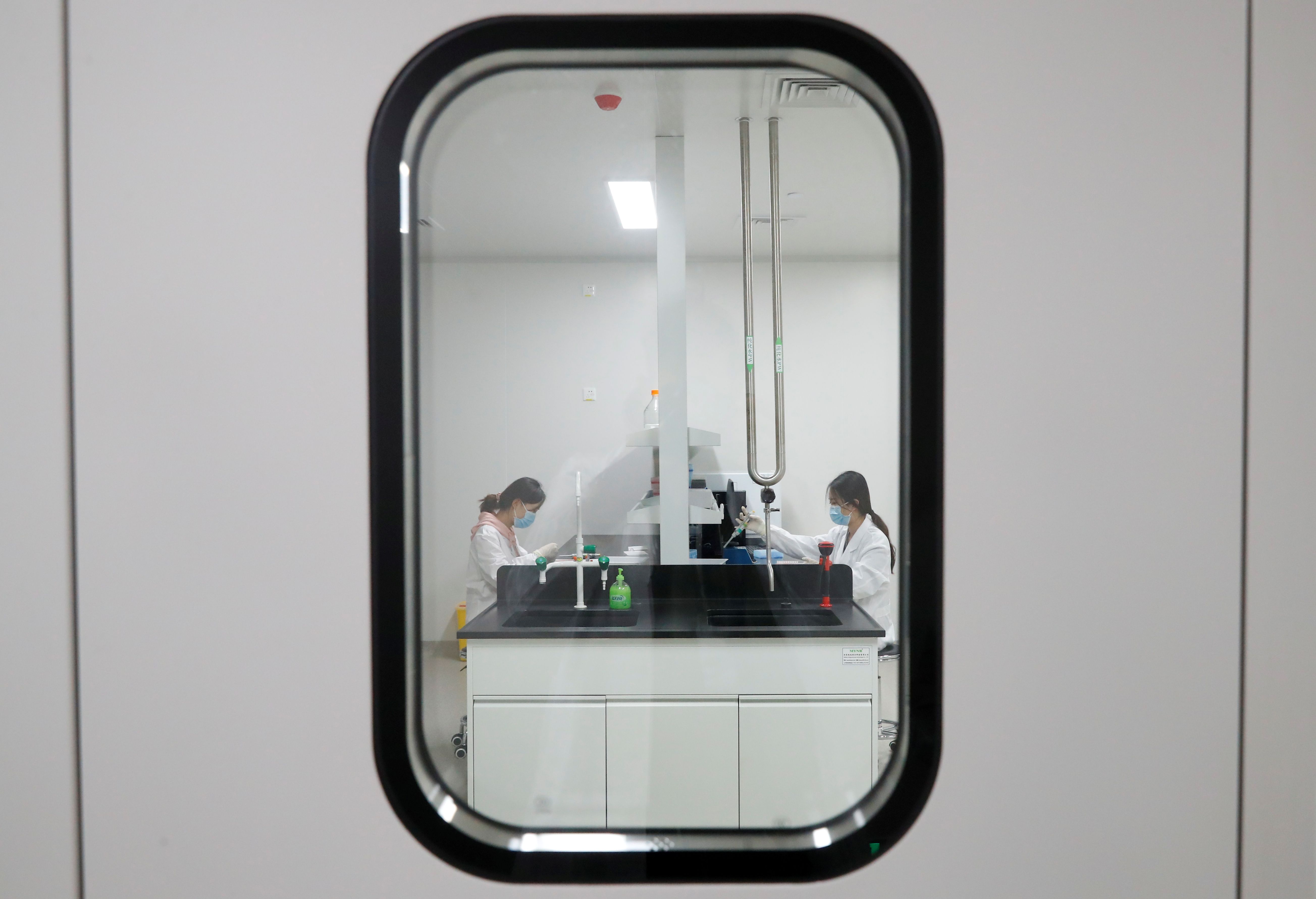
China's healthcare system has undergone a remarkable transformation in recent decades, evolving from a fragile, inward-looking nation to an ambitious innovation hub. This shift has seen China emerge as a major source of health capability in its own right, producing new drugs, devices, scientific capacity, digital systems, and aligning industrial policy with health reform.
The country's rapid development cycles and capacity to swiftly move from laboratory to regulator to patient at scale have accelerated the pace of innovation. This has led to heightened competition and pressure on pricing, timelines, and standards in some fields, while simultaneously broadening the array of options available to patients and clinicians.
China's influence is particularly evident in the realm of medicines, where its clinical tools, medical devices, and enabling technologies are poised to play an increasingly central role.
One notable development is China's progress in brain-computer interface medical devices, with the country approving the world's first commercially available device in March 2026. This milestone demonstrates China's ambition to push the boundaries of healthcare beyond low-cost production and imitation. Other areas where China is making strides include digital health and software solutions, which are reshaping processes such as triage, appointment booking, consultations, payments, and prescriptions.
As China's global footprint expands, issues related to data governance, biosecurity, and system resilience become increasingly pertinent. Nevertheless, scientific progress does not remain confined to national boundaries, even when governments may wish it to. The rest of the world must learn from China's progress without conflating adaptation with imitation.
The country's accelerated trial infrastructure, integrated translational pathways, and willingness to link industrial strategy with health delivery offer valuable lessons for governments worldwide.
The question now arises as to how the international community can engage with China's capabilities without falling into the trap of invisible dependence. In the healthcare industry, China should be viewed as a site of competition, partnership, and origination simultaneously. Chinese health innovations are set to become integral to the global delivery of care, regardless of varying political comfort levels.
Ultimately, the well-being of patients seeking healthcare remains the paramount concern, regardless of the national origins, regulatory philosophies, or affiliations behind the treatments, devices, or platforms that serve them.
Written by urgent.news from Semafor's reporting — not their text. Machine-written — may contain errors; check the original before relying on it.