Three in four female chess players face gender bias or harassment: FIDE survey
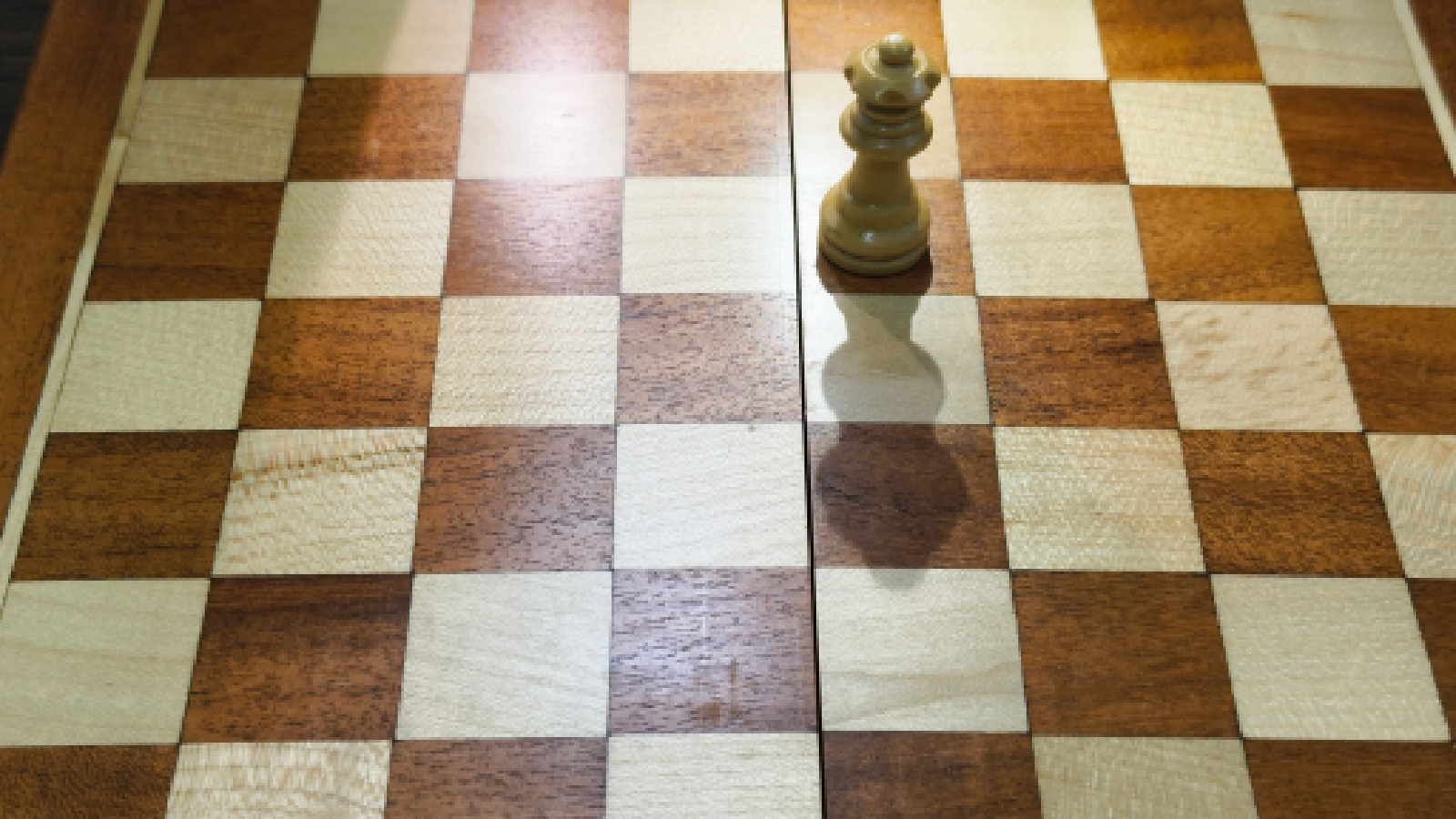
A recent survey commissioned by the international chess federation (FIDE) has revealed that 76% of female chess players have faced at least one form of discrimination or harassment in the sport. The survey, conducted by the FIDE Commission for Women's Chess, polled 672 women and girls from 127 national chess federations. The findings show that 38% of respondents experienced online abuse or harassment.
Additionally, 63% of women and girls reported experiencing gender bias in chess settings, with 16% stating that this occurs frequently. The survey also found that 38% of female respondents reported sexual harassment or inappropriate behavior. According to Tris-Ann Richards, chair of the FIDE Commission for Women's Chess, the survey's results are a cause for concern, but it is crucial to view them as real experiences of women and girls in the chess community.
Richards emphasized that the issues identified are not unique to chess and reflect broader challenges women face across other sports, workplaces, and society. The survey found that the highest rates of gender bias were among players competing in North America (83%), South America (78%), Europe (74%), and Central America (73%), while the lowest rates were in Asia (53%) and Africa (50%).
Among the survey respondents, 70% of women and girls over 18 years old experienced gender bias, while 46% reported sexual harassment or inappropriate behavior. When considering only females with FIDE titles, these figures increased to 81% and 55%, respectively. The survey also revealed that 44% of respondents considered quitting chess due to gender bias, and among those who experienced sexual harassment, 58% thought about quitting.
Despite these concerning findings, the report emphasizes the need for constructive action to address these issues and create a more inclusive, equitable, and safer chess environment.
Written by urgent.news from The Indian Express's reporting — not their text. Machine-written — may contain errors; check the original before relying on it.