This is the one retirement expense that you might have forgotten to plan for
People often underestimate some expenses when planning for retirement . In my conversations with older adults about their in-retirement finances , they’ve repeatedly mentioned the cost of dental care . The reasons are straightforward: Our teeth get worse as we age, and yet dental care isn’t covered by Medicare (except for emergency dental procedures for people who are hospitalized). There are…
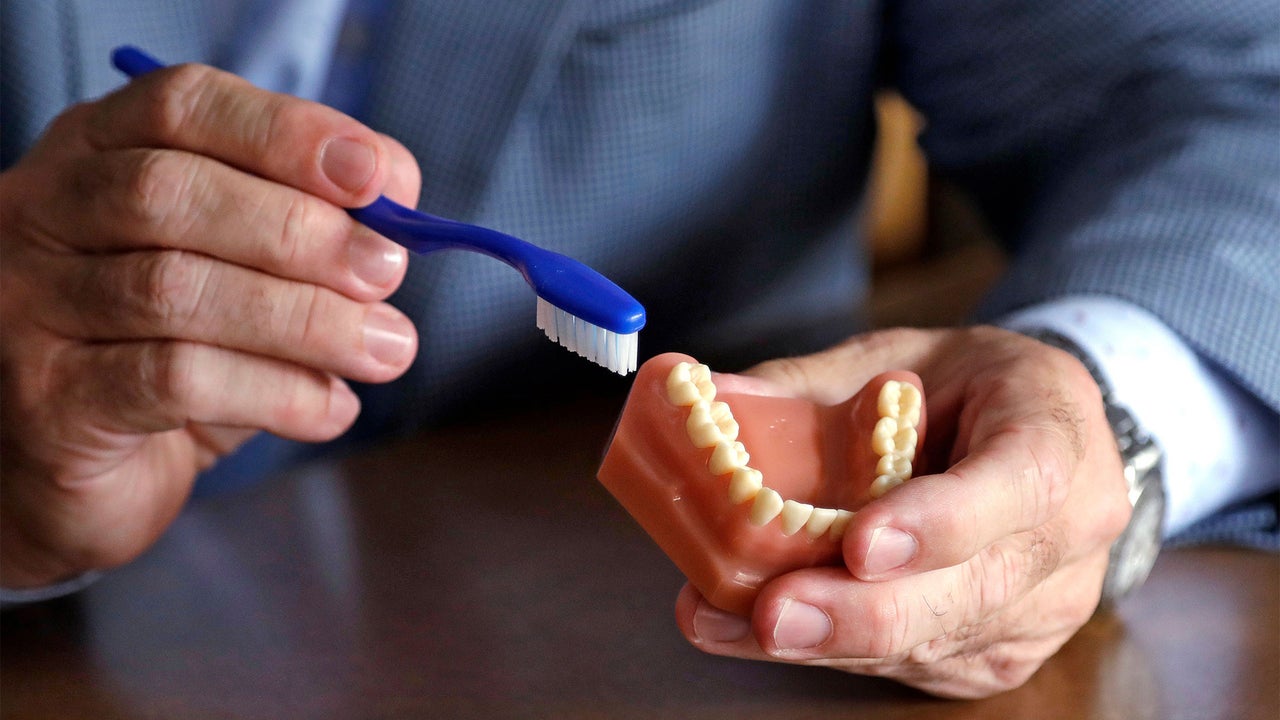
Retirees often overlook dental expenses when planning for their post-work years. This is mainly because dental care isn't covered by Medicare, except for emergency procedures for hospitalized individuals. Three primary ways to cover dental costs during retirement include dental insurance, a Medicare Advantage plan that includes dental care, and paying out of pocket.
Dental insurance premiums typically range from $25 to $50 per month, but coverage varies significantly, with annual caps as low as $1,000 to $2,500. Waiting periods may apply, and specific providers may be required. Dental health management organizations are the most restrictive and economical, but enrollees are limited to using their providers.
Medicare Advantage plans often include dental care, vision care, and hearing aids, but enrollees must choose from a list of providers, which could be limiting. While these plans may be more affordable, their out-of-pocket limits can be high, and provider networks may restrict care. Additionally, switching from Medicare Advantage to traditional Medicare with a supplemental plan could require medical underwriting for Medigap coverage.
For retirees covered by a Medicare Advantage plan, dental coverage should be considered an extra benefit rather than a major deciding factor. Those paying out of pocket should evaluate their past dental expenses, budget for routine care, and consider health savings accounts (HSAs) for tax-free withdrawals. In some cases, deducting dental expenses on taxes may be possible if they exceed 7.5% of adjusted gross income.
Ultimately, for those with sufficient financial assets, forgoing dental insurance and self-funding dental care can provide more control and potentially save money.
Written by urgent.news from Fast Company's reporting — not their text. Machine-written — may contain errors; check the original before relying on it.