The Rise of Electrostates Could Redraw The Global Economy
Looking at electrification across the world reveals how unevenly this transformation is progressing.
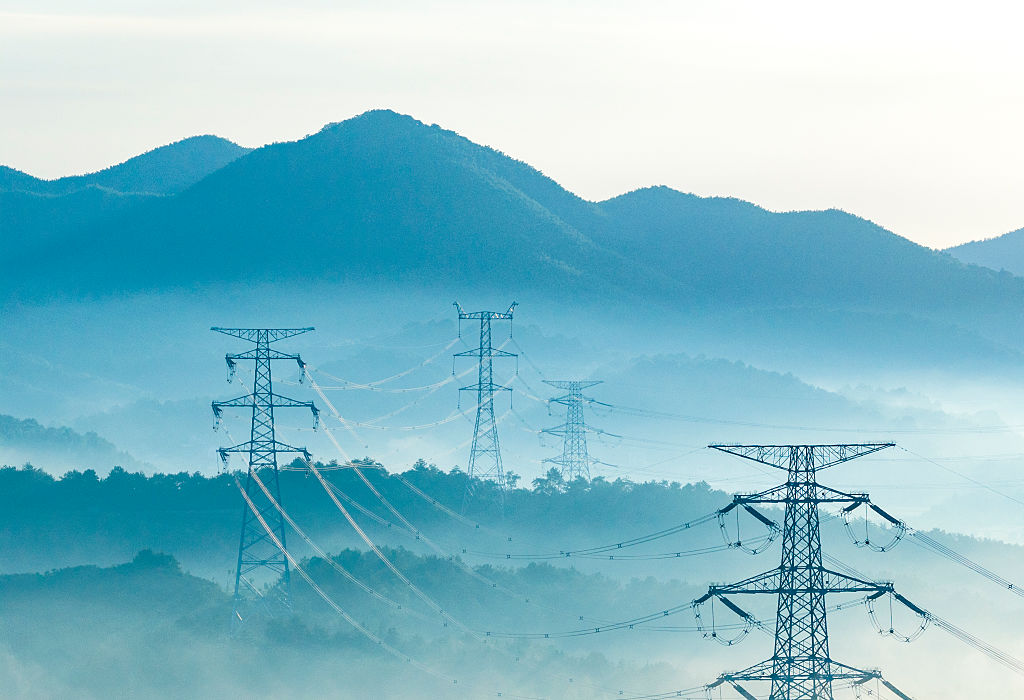
The concept of "electrostates" could significantly reshape the global economy, according to new analysis by the We Mean Business Coalition. The transformation towards electrification is progressing unevenly across nations, with the United States, China, France, Canada, and several European countries leading the charge. The Electrification Competitiveness Index provides a framework to measure these developments, highlighting two key dimensions: deployment and market uptake of electric technologies, and the policies supporting further progress.
China's lead in electric technology manufacturing is evident, accounting for more than 80% of global battery cell production. The country's electrification efforts extend across industry, buildings, and transport, with electricity's share of final energy consumption doubling since 2005. However, China still relies heavily on coal for electricity, aiming to transition towards cleaner power sources.
Meanwhile, Europe aims to double its electricity share of final energy to 46% by 2040, a goal currently lagging behind at around 23%.
In the United States, deployment provides a foundation for further electrification, but policy reversals and infrastructure constraints pose challenges. More than two terawatts of generation and storage are waiting in interconnection queues, and the country's reliance on fossil-fuel expansion could hinder its competitiveness in a market increasingly driven by demand elsewhere.
Developing economies, such as Ethiopia, Indonesia, the Philippines, and South Africa, present opportunities to build modern energy systems without replicating fossil-fuel infrastructure, but they face barriers like limited grid investment and fossil-fuel-dominated systems.
The shift towards electrification may reshape industrial geography, influencing where manufacturing capacity, jobs, and technological expertise develop. As the global economy becomes more dependent on domestically generated electricity, countries with strong manufacturing capabilities and supportive policy frameworks may emerge as dominant players, while those reliant on imported equipment and equipment-heavy infrastructure may face vulnerabilities.
Written by urgent.news from Time's reporting — not their text. Machine-written — may contain errors; check the original before relying on it.