The ‘Queen of the Chinese’ and a forgotten history on the US-Mexico border
At Texas’ dusty Concordia Cemetery, grass grows over graves in a 140-year-old Chinese burial ground. Some headstones have been stolen or vandalised; others have been marked by flat concrete slabs etched with names in Chinese and English. The slabs were harder to steal than traditional headstones. Still other graves have no visible markers. “I don’t think many people go out there,” says Linda…
At Texas' Concordia Cemetery, a 140-year-old Chinese burial ground lies overgrown. Some headstones have vanished or been vandalized, while others bear Chinese and English inscriptions. Others remain unmarked. Linda Chew, a retired judge in El Paso, the state's sixth-largest city, notes that few people frequent this location. However, interest in the Chinese community's history in Texas is on the rise.
Linda believes there's a resurgence in recognizing the Chinese community's impact on the Lone Star State. This narrative follows one family but represents a larger Chinese immigrant community in Texas that worked on the railroad, interacted with cowboys, and established businesses like laundries, grocery stores, and restaurants.
These contributions enriched the cultural tapestry of the US-Mexico borderlands. Researchers and community members are now uncovering and reviving the history of Chinese in Texas, drawing lessons from past prejudice and exclusion to counter current lawmakers attempting to limit property rights, education, and voting rights. June Xu, an artist, employs her work to draw parallels between historical struggles and present-day issues, emphasizing the importance of understanding the hardships faced by civil rights advocates.
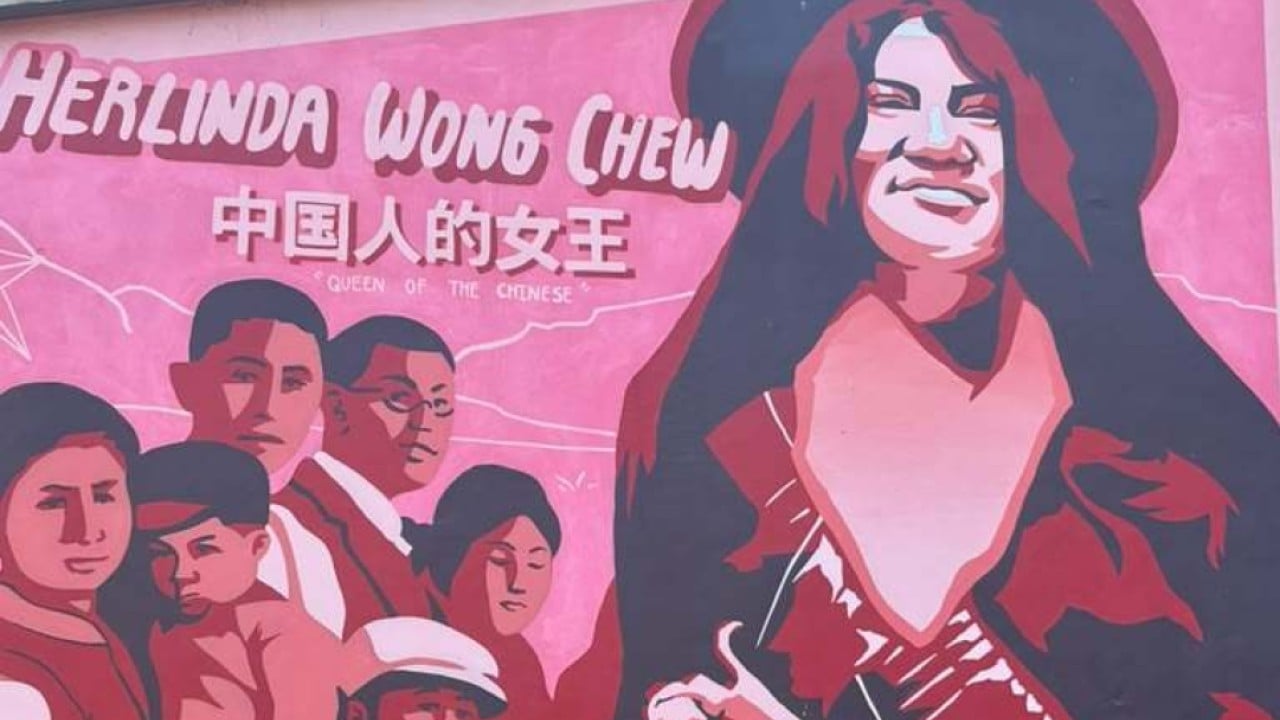
Despite stringent immigration restrictions, Linda Chew's grandparents, Herlinda and Antonio Yee Chew, built their lives on the US-Mexico border during the early 20th century. Herlinda, known as the "Queen of the Chinese" in Juarez during the 1910s, was hailed as a powerhouse. Born in 1894 in Guadalajara, Mexico, to a Mexican mother and a Chinese father, she and Antonio escaped the Mexican Revolution and sought refuge in El Paso.
With the Chinese Exclusion Act of 1882 prohibiting Chinese laborers and naturalized citizenship, Herlinda researched American immigration laws and discovered that Chinese merchants could legally move to the US if they met specific conditions. In 1922, they settled in El Paso, opening multiple grocery stores, where eight of their children were born – four in Mexico and four in the US.
Linda's father, Wellington Yee Chew, became an immigration lawyer, the first Chinese-American licensed by the State Bar of Texas. Linda followed in her footsteps, becoming a judge, and her sister, Patricia, serves on El Paso's County Probate Court No. 1. Their brother, David, became the chief justice of the Texas Eighth Court of Appeals.
Many of Herlinda and Antonio's stories remain undocumented, a common issue with Chinese history, particularly among other families that left minimal written records. Historian Anna Fahy is working to rectify this by documenting and reawakening the history of Chinese in Texas, which has faded and become scruffy over time.
Written by urgent.news from Reuters Business via SCMP's reporting — not their text. Machine-written — may contain errors; check the original before relying on it.