The ‘national team’ to the rescue
China’s massive state funds have stepped in to rescue free-falling indexes ahead of the CCP’s Fifth Plenum.
After 14 years under Xi Jinping's rule, the Chinese public shares widespread dissatisfaction with the economy. The wealthy faced a 20% tax on their offshore assets, often stored in offshore trusts, leading to a surge in seeking foreign passports. The middle class is suffering due to the collapse of the real estate market, a policy deliberately introduced by Xi, which has significantly reduced the value of their primary asset.
Meanwhile, the rural workforce, facing displacement from factory automation, is working longer hours for lower wages.
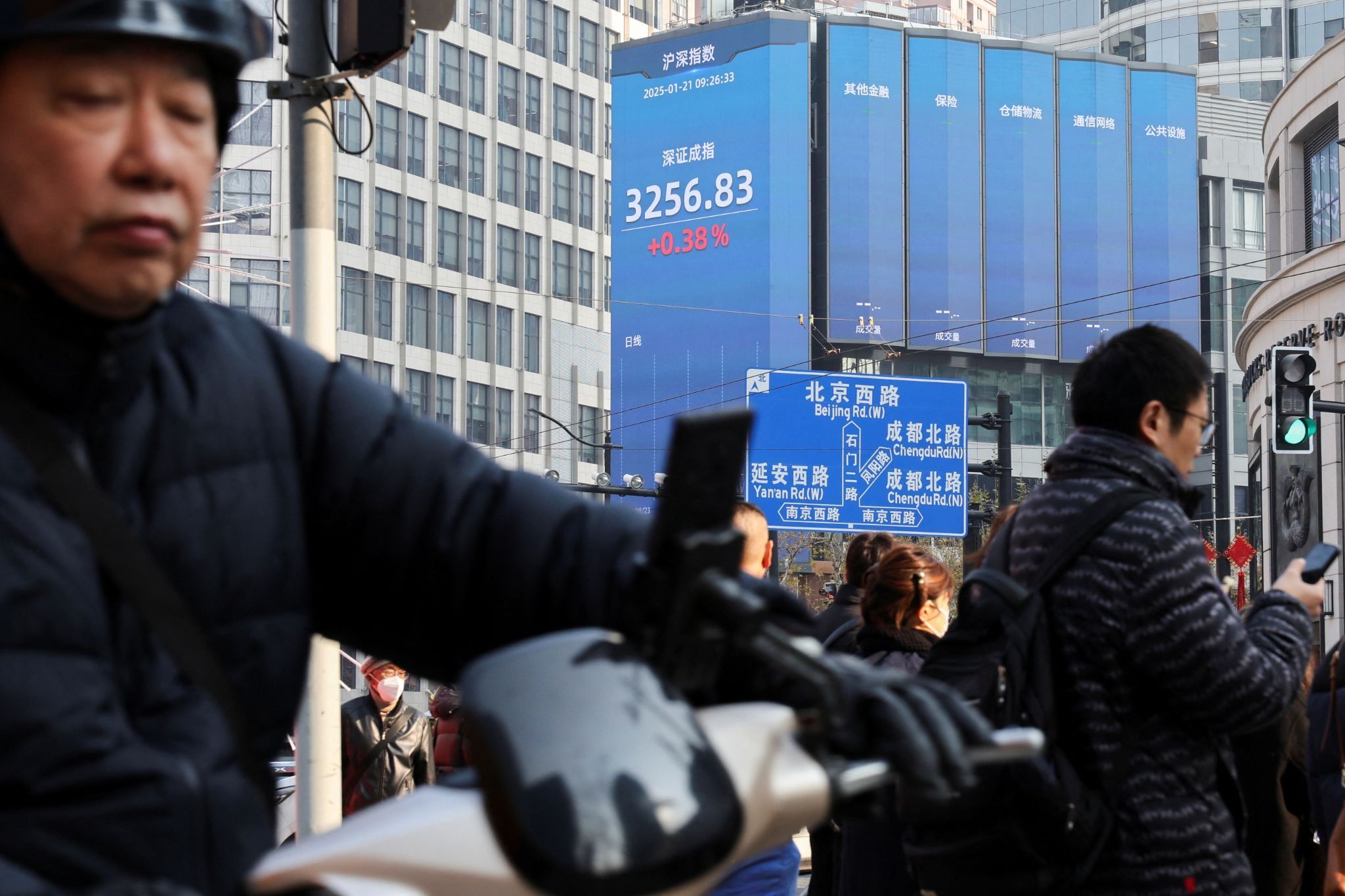
China's stock market officially entered a bear market as investors lost hope, with high-profile tech companies becoming the worst-performing sectors. The Star50 index, established by Xi to fund China's tech transformation, has underperformed compared to global tech indices. Key companies like CATL, a battery giant, and MetaX Integrated Circuits have plummeted over 50% in value.
As the nation's political elite convened in Beijing, the state-run "national team" intervened, injecting funds to stabilize the faltering markets. The stock market, despite its speculative nature, serves as a gauge of public sentiment. A prolonged downturn, however, could further dampen morale and undermine Xi's five-year extension to his rule.
While Xi is typically at the helm of policymaking, he is deflecting criticism for economic missteps, attributing failures to inadequate implementation rather than flawed policies. International economists, including those from the IMF, have urged Beijing to increase welfare spending to bolster consumer spending. However, Xi is instead emphasizing stricter discipline, a prominent theme during the four-day party meeting.
The once-prolific pool of grassroots policy entrepreneurs is now stifled by a culture of fear and punishment. The number of officials penalized for "formalism" and "bureaucratism" doubled between 2023 and 2025, reflecting the stifling nature of Xi's rule.
Xi has prepared the political landscape for an economy that prioritizes resilience and self-reliance over rapid growth. As he addresses the 90th anniversary of the Long March, he warned of "high winds and rough waves," signaling a tougher economic climate ahead. Some Wall Street hedge funds are reportedly monitoring public protests to gauge Xi's potential economic stimulus moves.
In response to the darkening public mood, Xi is increasingly relying on the "national team" to maintain investor confidence. Historically, the Chinese government has used stock market manipulation to ensure profitable outcomes, but this strategy may be less effective as economic realities clash with Xi's vision of an AI-driven economy.
Written by urgent.news from Semafor's reporting — not their text. Machine-written — may contain errors; check the original before relying on it.