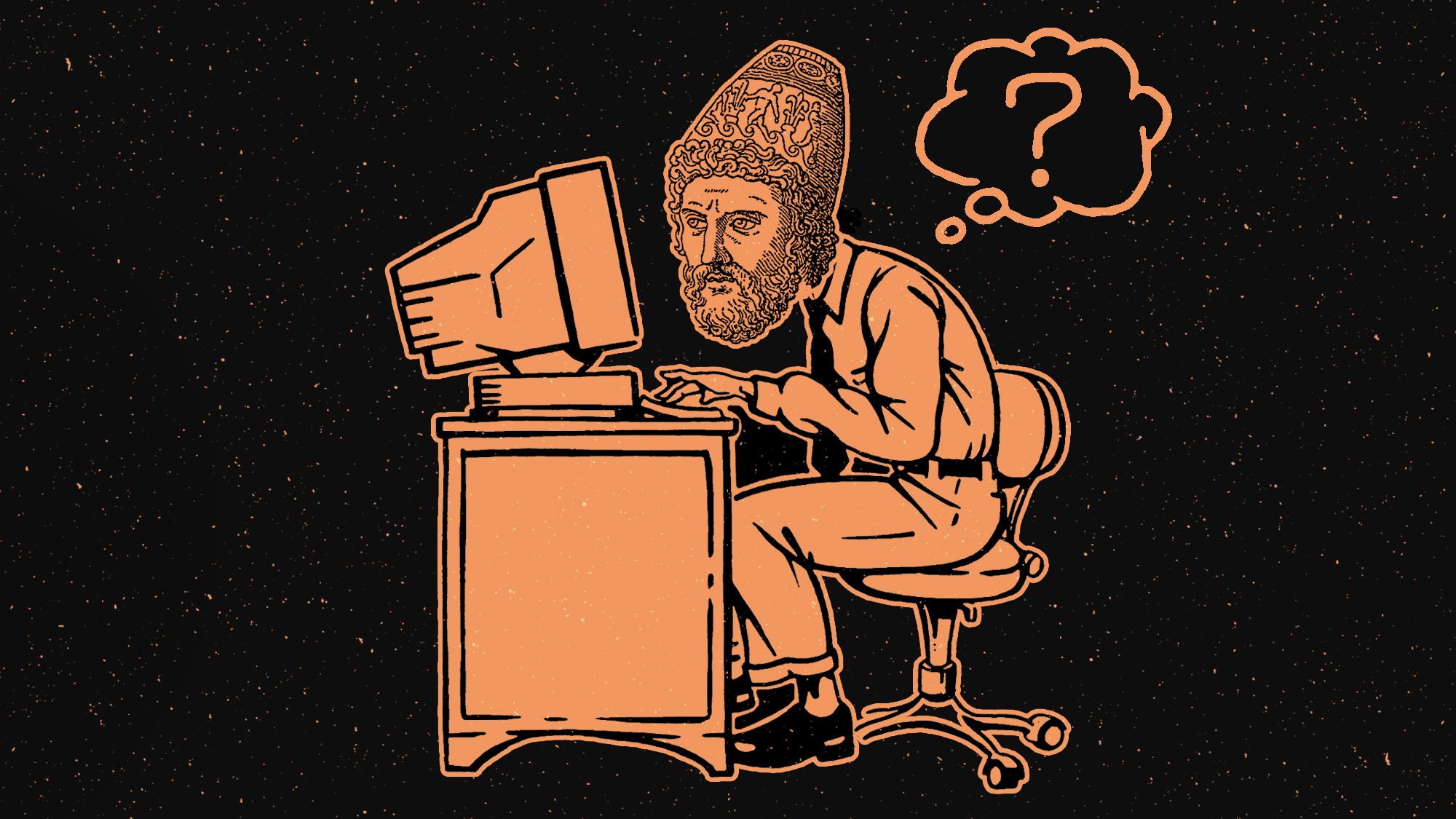
The Limits of Trump’s Midterm Trickery
If Democrats win big, that could stymie his election-denial schemes.
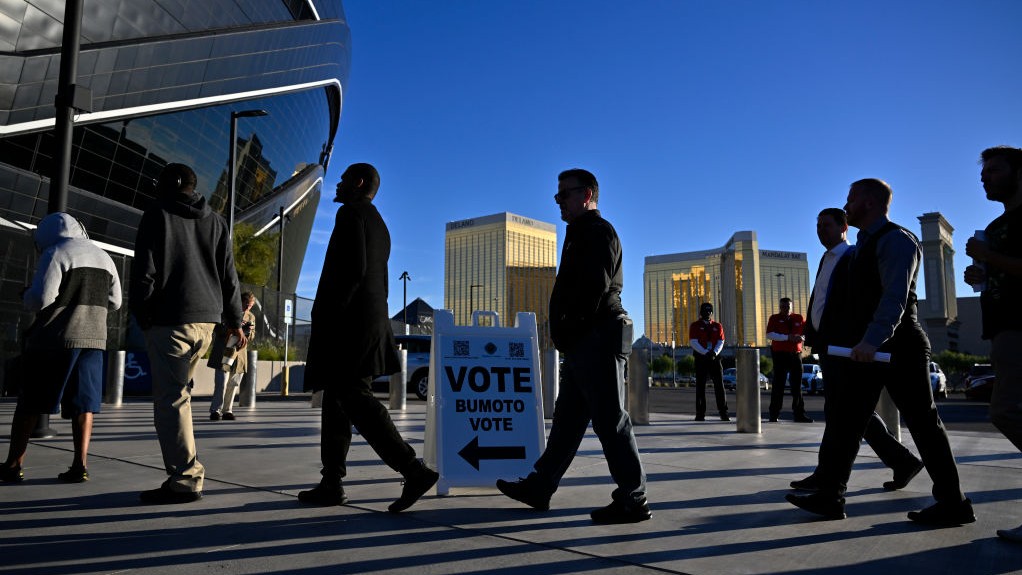
In a first of its kind in American history, a president is seeking to use the power of the state to secure a party's electoral victory. The Trump administration has taken steps to discourage widespread mail-in voting, demanded states share voter rolls, and threatened prosecution of election officials. They have also questioned the legality of deploying troops or federal agents to polling places and highlighted arrests of individuals accused of voting fraud.
However, these efforts have largely failed due to incompetence, lack of evidence, or judicial opposition.
Despite this, polls indicate Trump's approval ratings are at an all-time low, with 30% of voters expressing dissatisfaction. Democrats are poised to take control of the House of Representatives and possibly the Senate, a prospect that would likely result in a "thumping" for the GOP, as former President George W. Bush described after a disastrous midterm in 2006.
The issue of voter suppression is particularly problematic as elections are organized at the state and local level, with little federal intervention. Consequently, altering the outcome of a large number of races would require manipulating multiple elections across various jurisdictions, each governed by its own laws. A robust Democratic performance could make it exceedingly difficult to orchestrate an alternative House majority, much like a dominant sports team would find cheating futile in a lopsided game.
Trump's 2020 election challenge was heavily reliant on narrow margins in swing states, with as little as 10,000 votes sometimes determining the outcome. In Georgia, he pressured Secretary of State Brad Raffensperger to unearth 11,780 votes to compensate for his deficit against Joe Biden. The ensuing chaos culminated in the Capitol attack.
The aftermath of January 6 and the ongoing election-denial movement have fueled speculation about a similar attack in 2026. If Democrats secure the House by a narrow margin, rogue elements within the party might attempt to disrupt the process in a few tight districts. This could disrupt the January 3 inauguration, especially if contested seats are enough to prevent the majority party from electing a new speaker.
The prospects of such an attempt are significantly reduced if the Democrats secure a substantial majority, as it would be far more challenging to manipulate the House composition. However, political constraints also play a crucial role. The current fractious Republican caucus finds it difficult to act in unison, even in the absence of Trump's influence. Recent distancing from Trump by some Republicans, coupled with his declining popularity, further diminishes the likelihood of a coordinated coup.
Written by urgent.news from The Atlantic's reporting — not their text. Machine-written — may contain errors; check the original before relying on it.