The lesson of the Theranos film for today? Before you buy the AI claim, ask to see everything
Thirty-four days before reporting to federal prison, Elizabeth Holmes opened her private life to a film crew. Nathan Fielder and Lance Oppenheim kept filming for about three years, and the result, You Can See Everything , opened in theaters this month to huge box office and wide acclaim. The title echoes a scene in which Holmes and her partner, Billy Evans, promise the camera it can indeed see…
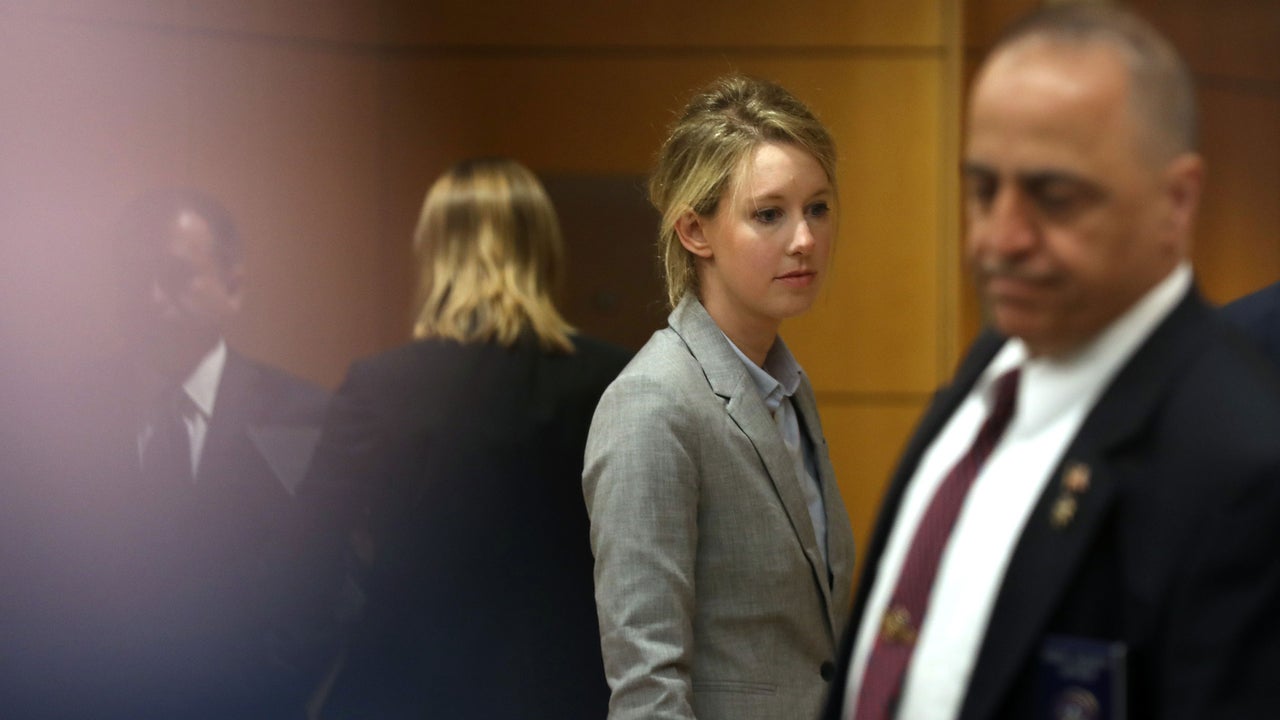
In the wake of Theranos founder Elizabeth Holmes' recent federal prison sentence, a new film titled You Can See Everything provides a window into the enigmatic world of Holmes and her company. The title itself echoes the scene in which Holmes and her partner Billy Evans assure the camera they can see everything. This film offers a true-crime perspective on the story, but for those in the business of building agentic customer experiences, it serves as a cautionary tale about trust and product performance.
Theranos was a brand before it had a functional product, and its marketing strategy relied heavily on borrowed credibility. Fortune magazine lauded its board of advisors, which included former cabinet secretaries, senators, a retired Navy admiral, and retired Marine general. Holmes marketed her invention as the iPod of healthcare, drawing comparisons to Steve Jobs.
While these signals hinted at credibility, they did not create it. Borrowed trust is akin to borrowing money; eventually, the product must repay it, and when it cannot, the brand suffers.
Just as a brand should question its reliance on a famous partner, endorser, or technology name to support its claims, brands must ensure their transparency goes beyond mere appearances. A responsible AI page that merely lists principles without assigning ownership fails to provide genuine transparency. In order to truly assess a product's capabilities, one must ask to see everything and have the ability to choose what to observe, including access to failure logs.
Many agencies utilize AI tools like ChatGPT or Claude to enhance their workflows. While this may result in a 20-30% efficiency gain, branding these processes as AI-native or agentic exaggerates the change. At the company I work for, Apply, we have rebuilt our delivery model to be agentic-native on a proprietary platform, training our entire workforce to work within this new framework. We encourage other agencies to ask what specific changes they have implemented and to move beyond superficial improvements.
As brands eagerly embrace AI claims, it is crucial to hold them accountable to the promises they make. Just as Theranos failed to deliver on its promises, companies should be prepared to demonstrate the specific changes they have made to incorporate AI into their processes. The terms "autonomous," "agentic," and "AI-powered" are easy to write but difficult to substantiate. Builders of these systems must be diligent in identifying where the product falls short, even after the demo.
AI claims can quickly become normalized, with small departures from safety protocols accepted over time. To avoid this normalization of deviance, it is essential to pressure-test any AI claim before incorporating it into a campaign. Before launching an AI-driven campaign, ask three key questions: Can you show it working in production, including failures?
Whose name is on the claim and the supporting evidence? And what happens when the system fails? Make sure to designate a named human owner for each deliverable, as this holds people accountable for the results.
Ultimately, earning trust requires ensuring that the evidence shapes the promise, rather than allowing the promise to outpace the evidence. In the Theranos case, those who raised concerns were silenced, and the consequences were severe. Brands must prioritize transparency and accountability to build and maintain trust with their customers.
Written by urgent.news from Fast Company's reporting — not their text. Machine-written — may contain errors; check the original before relying on it.