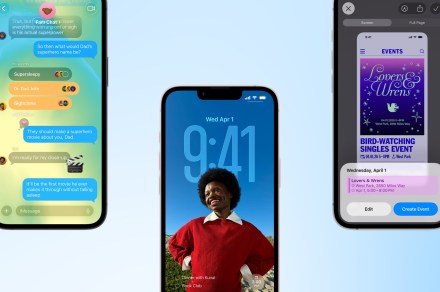
The iPhone 18e could get a shiny new chip while Apple keeps rationing smooth scrolling
A new iPhone 18e leak points to a 2nm A20 chip and a possible 24MP selfie camera, but buyers hoping for smoother scrolling could face another year with a 60Hz display.
Swift is Apple's programming language designed to work across all their platforms, including iPhone, iPad, Mac, Apple Watch, and Apple TV. Introduced in 2014 as a replacement for the older Objective-C language, Swift was developed to be a safe, fast, and enjoyable language to work with. One unique aspect of Swift is its emphasis on optionals, which address a common source of bugs in software development.
Optionals in Swift are a way to indicate that a value may be missing. This is crucial because many bugs occur when code assumes a value exists when it does not. By wrapping such missing values in an Optional, Swift forces developers to explicitly handle the possibility of a missing value. For example, a variable declared as "String?" means it could either be a String or nothing at all.
The "if let" statement is used to safely unwrap an Optional, ensuring that the code inside the block can confidently use the unwrapped value.
Swift prefers using structs (value types) over classes (reference types) for most data structures. When a struct is passed around, a new copy is created, so changes to one copy do not affect others. This immutability makes it easier to predict how data will behave throughout the program. While classes are still available, they are typically used for entities that require shared identity, such as network connections or view controllers. Prioritizing structs in design leads to more predictable and easier-to-understand code.
Swift's SwiftUI framework represents a shift in how developers build user interfaces. Instead of manually creating and updating UI elements, SwiftUI allows developers to describe what the interface should look like declaratively. The system then manages keeping this interface in sync with the application's data. For instance, a simple ContentView struct in SwiftUI might define a button whose label updates automatically whenever a count variable changes, without any need for manual UI updates or connecting outlets.
This declarative approach results in cleaner, more readable code and reduces the likelihood of common UI bugs.
In summary, Swift's focus on optionals, preference for structs, and SwiftUI's declarative interface design collectively make it a modern and robust language. These features help developers write safer, more predictable code and create interfaces that are easier to manage, which is why many consider Swift to be a modern programming language that minimizes potential errors before an app is even launched.
Written by urgent.news from Dev.to's reporting — not their text. Machine-written — may contain errors; check the original before relying on it.
This story
This is one outlet's version. Read the fullest account.