The Fed is expected to hold interest rates steady. But Warsh may signal more hikes ahead
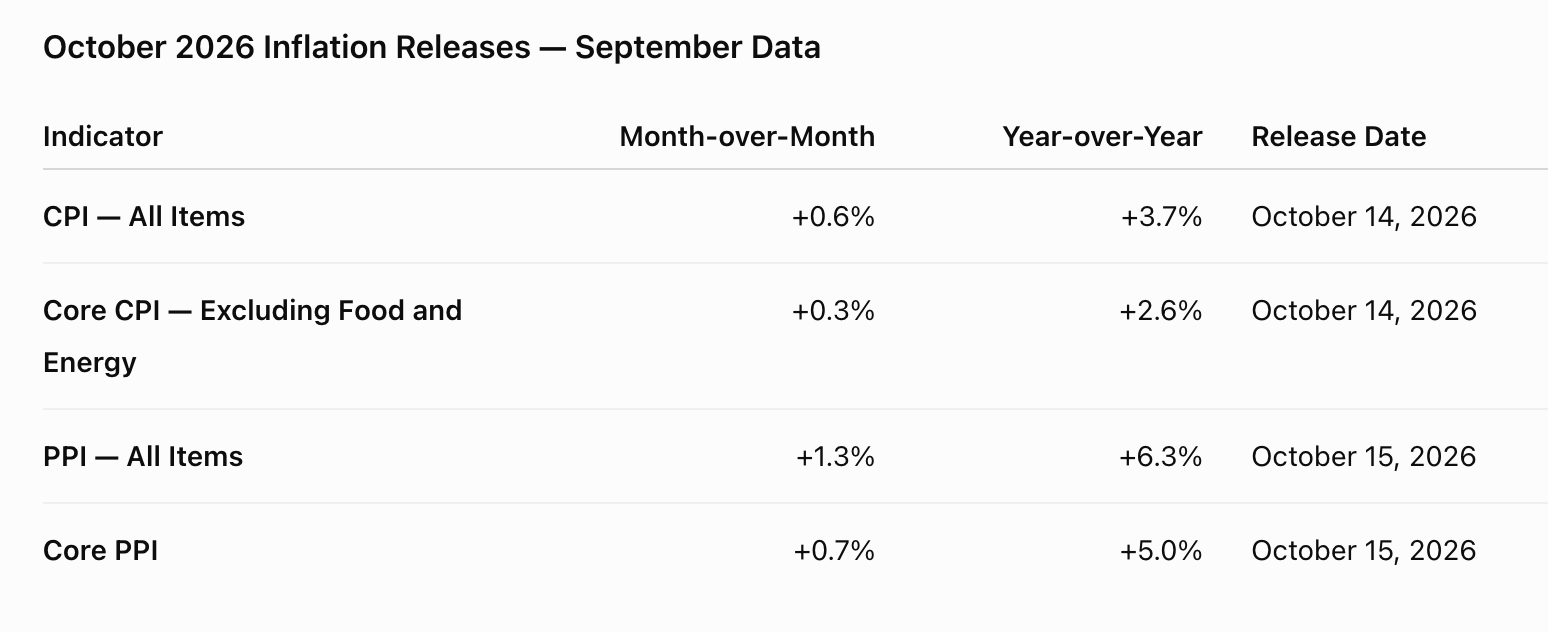
Inflation rose to 3.7% in September, and futures show a better than 80% chance of another hike in December
The Euro (EUR) continues to struggle as it underperforms against major currencies, primarily due to concerns surrounding France's public finances and a strengthening US Dollar. This weakening trend has pushed the EUR/USD pair to trade near 1.1145, marking the fifth consecutive day of losses. Meanwhile, the US Dollar gains strength, with the US Dollar Index (DXY) nearing a two-week high at 102.20, following its lowest level since October 1.
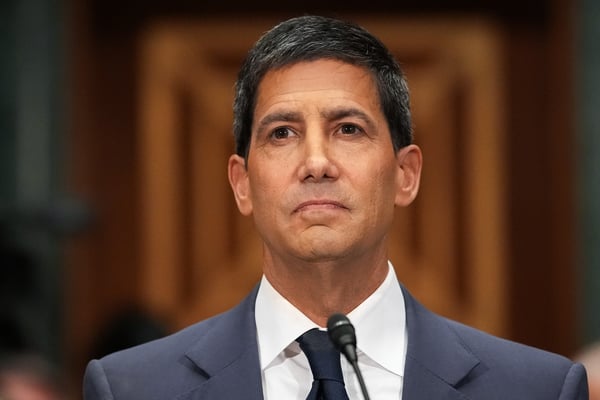
The Fed's monetary policy decision on Wednesday is anticipated to keep interest rates unchanged at 3.75%-4.00%, despite the central bank raising rates by 25 basis points in September to combat rising energy costs and inflation. Traders will closely monitor the Fed's statement and Chair Kevin Warsh's comments to determine if they will maintain expectations of a potential December rate hike, currently priced at around 80%.
On the European side, the ECB is expected to maintain its deposit rate at 2.50% after a 50 basis point increase this year. While policymakers believe contained Eurozone inflation and tighter financial conditions allow for a wait on a rate hike, France's bond market turmoil, particularly the impact on ECB President Christine Lagarde, could negatively affect the EUR/USD pair, potentially pushing it toward 1.1000.
Written by urgent.news from FXStreet's reporting — not their text. Machine-written — may contain errors; check the original before relying on it.
This story
This is one outlet's version. Read the fullest account.