THE CONVERSATION: In a culture obsessed with staying young, we ignore the many benefits of ageing
The anti-ageing industry promises to defeat growing older, but research shows later life can bring emotional stability, wisdom, resilience and stronger relationships.
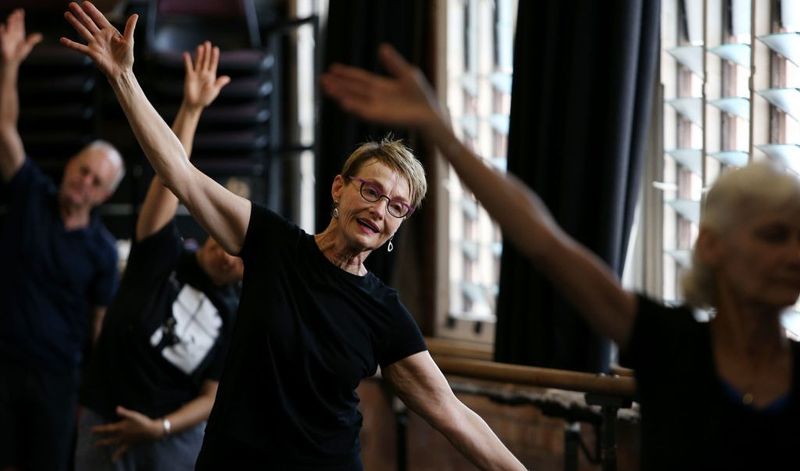
In a society preoccupied with defying the aging process, research suggests that growing older can offer numerous benefits that are often overlooked. While the anti-aging industry claims to defeat the natural progression of time, studies reveal that later life can bring emotional stability, wisdom, resilience, and stronger relationships.
Millions of people strive every morning to look, think, and feel younger than they did the day before. However, the anti-aging industry, worth hundreds of billions of dollars, often centers around a single goal: reversing the aging process. One notable figure who epitomizes this pursuit is entrepreneur Bryan Johnson, whose biohacking regimen aims to slow aging and achieve immortality.
Despite the industry's focus on defeating aging, science offers a more nuanced perspective. While certain aspects of functioning may become less efficient with age, others remain remarkably resilient, and even improve. Aging is not a linear process, and cognitive decline varies among individuals. Some cognitive abilities, such as processing speed, working memory capacity, episodic memory retrieval, and aspects of learning, can decline.
However, other cognitive skills, such as emotional strategy use, metacognition, and self-regulation, can actually improve with age.
One of the most notable changes is the positivity effect, where older adults tend to pay more attention to and remember positive information compared to negative information. This shift in focus is often linked to changes in motivation and priorities, leading to greater emotional stability, self-regulation, and a stronger focus on meaningful relationships. Healthy older adults often report higher life satisfaction and improved ability to prioritize what truly matters.
Another aspect of aging that is frequently overlooked is the potential for improvements in self-regulation. Older individuals often demonstrate better emotional management, socially and emotionally meaningful decision-making, and adaptive goal prioritization. As we accumulate experience over our lifetime, we become more efficient at selecting the right strategies, compensating for challenges, and adapting our approach when circumstances change. This wisdom and resilience can be just as valuable as speed or accuracy in lab tests.
The goal of healthy aging should not be to restore youth, but rather to maintain physical health, independence, cognition, and quality of life throughout later adulthood. Evidence-based strategies such as regular physical activity, lifelong learning, social connection, good sleep, a healthy diet, cardiovascular health, and sensory health management can help support a better aging process. Ultimately, the question shouldn't be how to live longer, but rather how to age well.
Written by urgent.news from Daily Maverick's reporting — not their text. Machine-written — may contain errors; check the original before relying on it.