The Case For Renting The Box And Buying The Truck
For a small carrier, the choice of whether to own a trailer, finance one, run power only, or rent by the day looks like a simple equipment question, but it is really a business decision with a cost structure attached to every option, and getting that math wrong is one of the quietest and most […] The post The Case For Renting The Box And Buying The Truck appeared first on FreightWaves .
For a small carrier, deciding whether to own a trailer, finance it, run power only, or rent by the day is not merely an equipment question, but a complex business decision with significant cost implications. This dilemma was discussed during a Long Haul conversation with Matt Harb, Vice President of Product and Operations at trailer-sharing marketplace Repowr.
Harb spends his days on the phone with owner-operators and small fleets, hearing the same refrain: the trailer, or the "dumb box," behind the truck determines which loads a carrier can and cannot take. Repowr leverages this insight to provide a marketplace for trailers, acting as an Airbnb-style rental service for the freight industry.
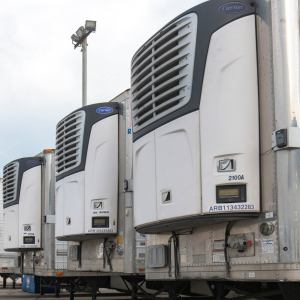
Harb notes that there are approximately 3,500 trailers available through the platform at any given time, encompassing dry vans, reefers, and flatbeds. The platform emphasizes low-friction mechanics, allowing carriers to rent trailers for short periods, from three days to 90 days or more, and find replacements seamlessly where needed.
This approach caters to carriers looking to scale their fleet by purchasing trucks and team members while avoiding the financial burden of depreciating trailers. However, Harb cautions that power-only arrangements, where carriers use someone else's equipment, often result in lower rates and a loss of control over routing. He highlights the regional lock-in associated with power-only, where carriers become tied to specific locations to return equipment.
Repowr addresses this issue through short-run pricing, offering discounted rates for rentals under 14 days, sometimes as low as eight dollars a day, appealing to carriers who want to capitalize on profitable drop-and-hook freight. Drop-and-hook freight accounts for a significant portion of the market, suggesting that small carriers without a trailer reserve are often excluded from lucrative, repeatable routes.
Harb emphasizes that scaling a business involves more than simply adding trucks; it entails building the capacity to source additional trailers to keep trucks loaded, as the true margin lies in the trailer, not just the tractor.
Written by urgent.news from FreightWaves's reporting — not their text. Machine-written — may contain errors; check the original before relying on it.