Store Memory: D2C In The Age Of Experiential Retail
Remember the charm of walking into a Crossword store, picking up a book and spending hours reading it without anyone…
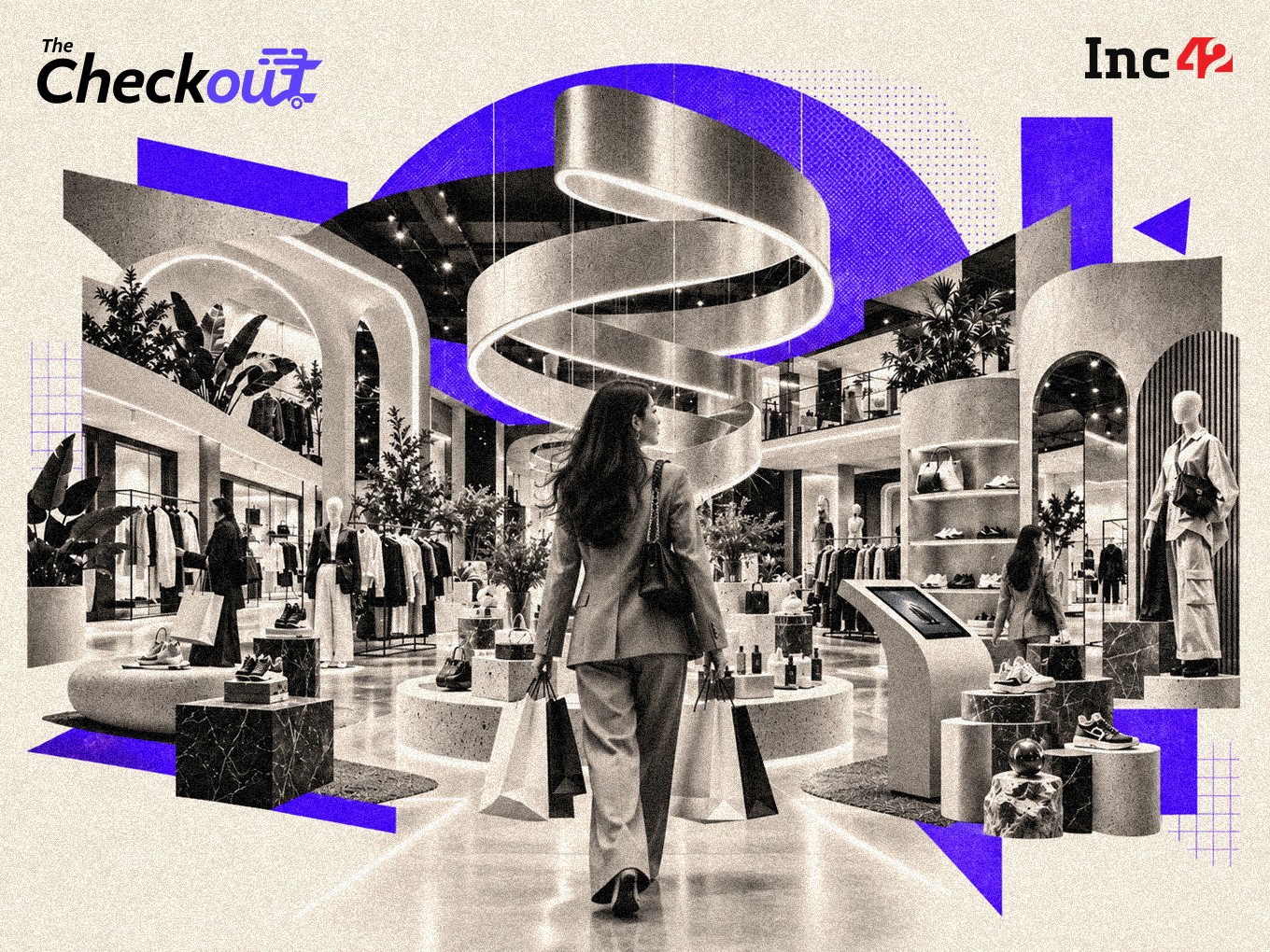
Crossword, Hamleys, and Decathlon have long created inviting spaces for customers to explore products beyond the usual transactional experience. Now, a new generation of fashion and lifestyle brands is following suit, with companies like Gully Labs, Comet, Nothing, Almost Gods, and Broadway leading the charge. Comet's flagship store in Bengaluru, with its shattered walls and suspended rock formations, is a prime example of this trend.
The brand spent several months designing and building the space, even incorporating sold-out sneakers in a dedicated section called "The Vault." While experiential retail can help brands build communities and create standout experiences, balancing creative ambition with unit economics is a significant challenge. Brands must refine their offerings based on customer feedback rather than sticking to the original design.
For digital-first brands, the rising costs of digital advertising have made physical stores an attractive alternative for customer acquisition. Ujwal Sutaria, a VC partner, believes that a physical store on a busy street can be more valuable than an Instagram budget. However, executing these creative concepts can be challenging.
Established retailers often face approval processes and may be hesitant to adopt unfamiliar ideas, while founder-led brands have more flexibility to experiment. Additionally, unconventional installations may require specialized fabrication techniques and careful adaptation to accommodate existing building structures.
Written by urgent.news from Inc42's reporting — not their text. Machine-written — may contain errors; check the original before relying on it.