Sports Pushing Further Into AI Content Despite Fan Pushback
Sports leaders are increasingly adopting AI content tools regardless of fan sentiment.
In May, Indiana Fever guard Caitlin Clark criticized her own team for sharing an Instagram post where her hand had been altered using artificial intelligence. The backlash was immediate, not only from Clark herself but also from fans. This incident exemplifies the widespread sentiment among sports enthusiasts who dislike when teams utilize AI-generated or enhanced content.
Despite this pushback, many sports teams, leagues, and other organizations are experimenting with AI-generated content, and many expect to increase their use in the future. This trend is part of a broader shift in sports, where the industry as a whole is rapidly embracing AI across various business functions. According to a new survey conducted by FOS and Teamworks, 40% of industry leaders using teams, managing athletes, or organizing competitions already utilize AI for content or media production, while an additional 24% plan to start doing so within the next year.
Among professional sports organizations, the percentage using AI for content is even higher, at 45%. High-profile examples of fan opposition to AI-generated content in sports have arisen in response to professional teams using the technology for routine graphics, such as concession menus at Dodger Stadium, lineup cards in clubhouses at Citi Field, and social posts by teams across major leagues.
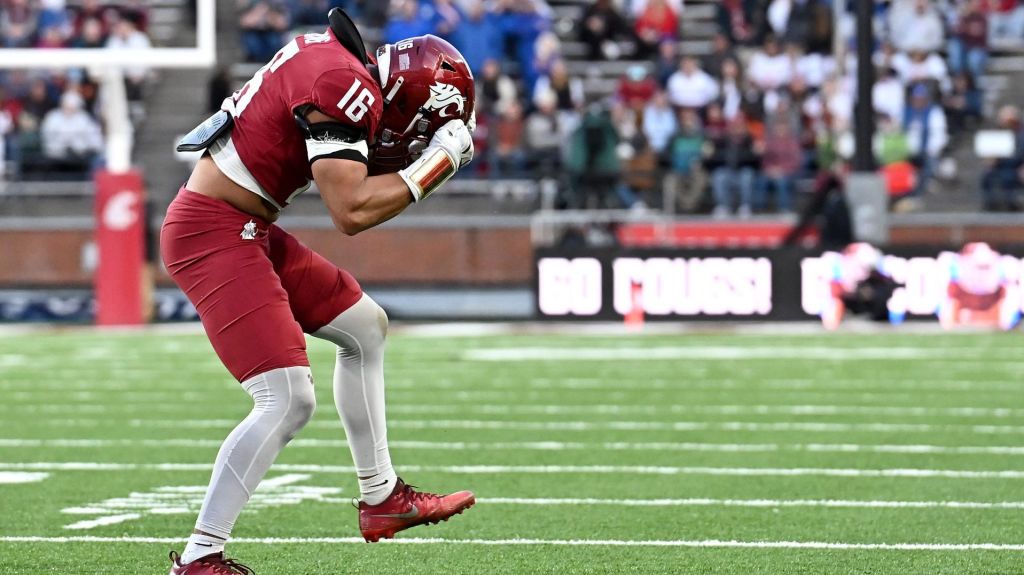
However, AI-generated media is also prevalent in college sports, with 29% of industry respondents currently using the technology for content purposes. The backlash against AI-generated content has also extended to college sports, where a recent partnership between Washington State University Athletics and FanWord, a company that leverages AI to generate athletic department-specific web content, sparked controversy.
Fans criticized the deal, pointing out that FanWord's offerings overlap with key responsibilities of student-assistants and other entry-level roles. In response to the criticism, WSU's Edward R. Murrow College of Communication issued a statement from its dean, Bruce Pinkleton, defending the partnership. While some teams have taken a firm stance against AI-generated content, the trend shows no signs of slowing down.
According to the survey, 90% and 88% of professionals working in professional and college settings, respectively, anticipate their organizations will use AI technology more in the next two to three years across all business functions. The data suggests that content creation will be a significant focus of this AI-driven push in sports.
Written by urgent.news from Front Office Sports's reporting — not their text. Machine-written — may contain errors; check the original before relying on it.