Rupee traders test RBI's tolerance for measured depreciation
Continued pressure from high oil prices and equity outflows could result in RBI allowing a controlled drop in the rupee, say market players
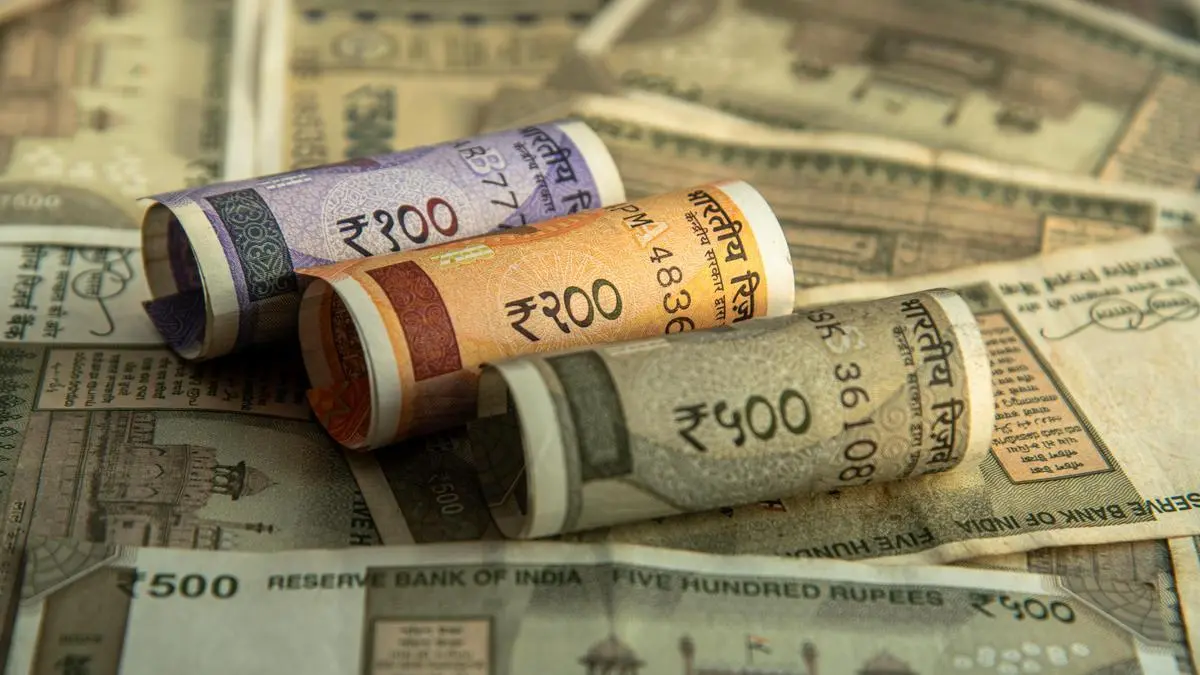
The Indian rupee experienced a slight decline on Tuesday, as traders assessed the Reserve Bank of India's willingness to permit a controlled depreciation. By 10:25 a.m. IST, the rupee was trading at 95.22 per US dollar, a decrease from the previous day's level of 95.1850. External pressures, such as high oil prices and foreign portfolio outflows, have left the currency dependent on RBI intervention for support.
Since June, the central bank has injected approximately $80 billion to stabilize the local currency. Recent high crude oil prices, nearing a six-month high, have driven importers to increase hedging, further straining foreign investor confidence. Nearly $5 billion was withdrawn from Indian equities in October. Analysts are now questioning if the RBI is more inclined to allow a measured decline in the rupee's value, given the current economic challenges.
The central bank's earlier interventions to curb dollar buying played a significant role in the rupee's recovery from levels near 97 per dollar earlier in the month. As the rupee dipped below 95 on Monday and continued to fall on Tuesday, traders are closely monitoring the extent of depreciation the RBI is prepared to accept.
Written by urgent.news from Hindu BusinessLine's reporting — not their text. Machine-written — may contain errors; check the original before relying on it.