Revamping Jakarta, authentically
Jakarta’s bold plan to revamp historic districts will only succeed if City Hall modernizes their streets without evicting the living culture and roadside traders who gave them a soul.
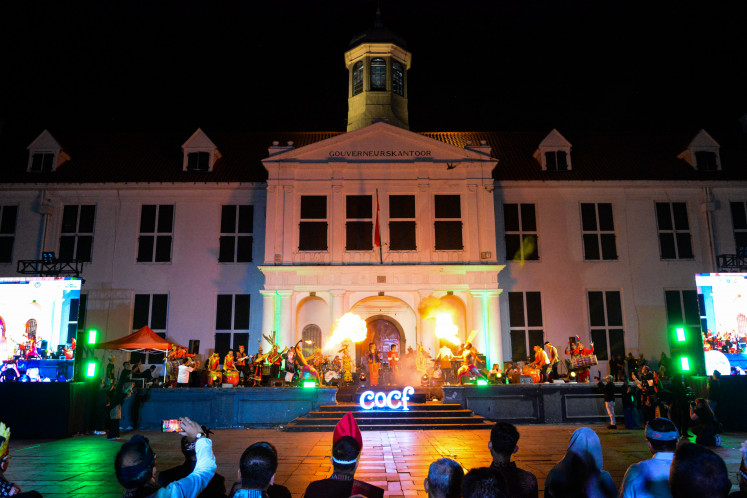
Jakarta's ambitious project to revitalize historic districts must strike a delicate balance between modernization and preserving the unique cultural identity that defines these neighborhoods, warns the city's governor. The plan aims to breathe new life into four iconic areas - Blok M, Pasar Baru, Glodok, and Kota Tua - by incorporating elements from other global cities. However, it is crucial that these improvements do not displace the very communities and small businesses that give each district its character.
Blok M, already experiencing a renaissance due to its thriving food scene and improved connectivity, serves as a model for how to build upon a district's authentic strengths. The city also plans to upgrade public amenities, particularly to enhance walkability, while safeguarding the distinct features of each quarter. This includes a transit-oriented development (TOD) that integrates commercial activity with public spaces and key transportation modes.
For instance, Jakarta's Mass Rapid Transit (MRT) network is expanding toward Kota Tua, and the Harmoni area is set to become a major gateway connected directly to Pasar Baru.
While enhanced connectivity can drive foot traffic to local merchants, rapid infrastructure development can lead to increased land prices and commercial lease rates. To mitigate these risks, TODs must prioritize the needs of local communities and workers, rather than solely serving the interests of developers or upscale retailers. It is imperative that safeguards for legacy traders and provisions for affordable commercial spaces are built into the plans from the start.
The potential pitfalls of unchecked gentrification are already evident in Kota Tua, where the district's identity is sustained not only by its colonial-era architecture but also by the presence of vendors, performers, artists, and palm readers who line its streets. While many residents welcome the influx of visitors, they express concerns about being excluded as the master plans progress, citing a lack of direct consultation.
Jakarta must learn from the success of districts like Blok M and ensure that the revitalization plans preserve, rather than erase, the unique character that makes these historic districts so special.
Written by urgent.news from The Jakarta Post's reporting — not their text. Machine-written — may contain errors; check the original before relying on it.