Retail’s delivery boom is here
Retail promised fast, on-demand delivery before it had a way to pull it off. Food apps spent a decade training all of us to expect it, and that expectation has spread to paint and lumber, bulk groceries, and things nobody ever planned to move in under an hour. This past year, Sam’s Club switched on one-hour delivery across 600 clubs and pushed 65,000 of those orders out in a few weeks. Uber Eats…
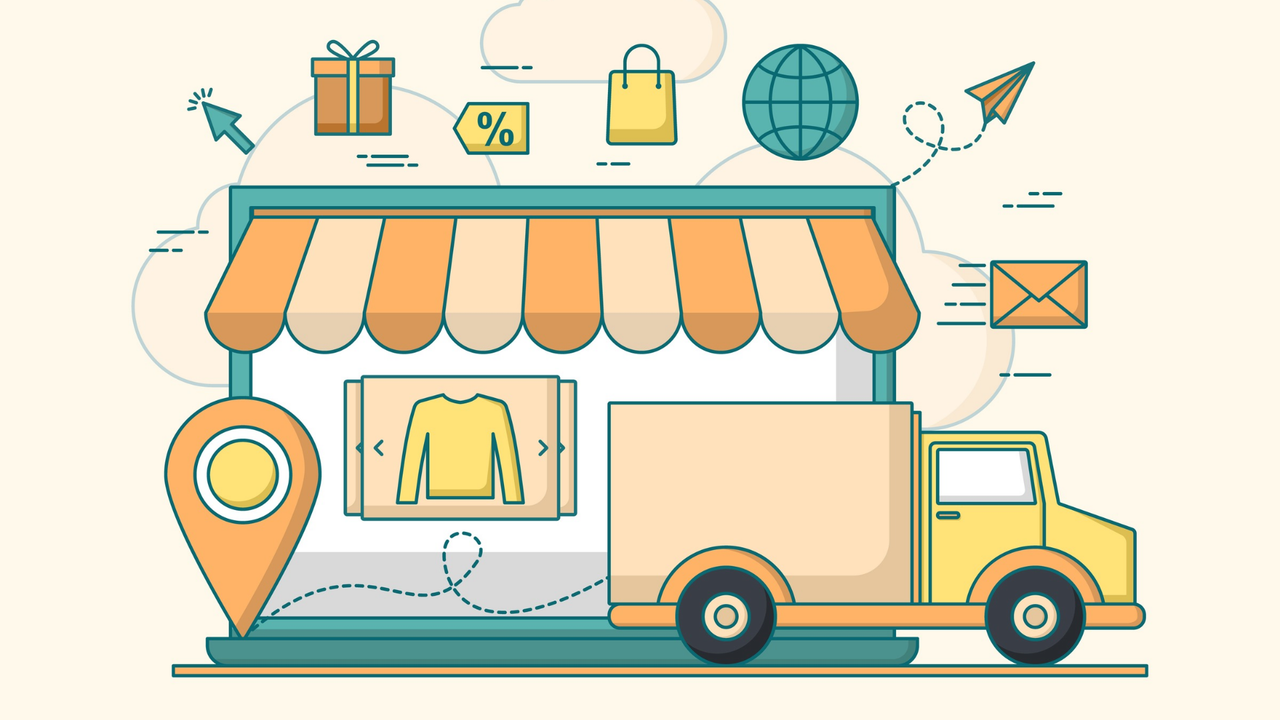
Retail's delivery industry has undergone a significant shift, moving from a luxury to a necessity. Food delivery apps have conditioned consumers to expect instant gratification, and this expectation has extended to other categories, including home goods, groceries, and bulk items. Retail giant Sam's Club has embraced one-hour delivery across 600 locations, delivering 65,000 orders in a short period.
Meanwhile, Uber Eats has begun to collect retail returns for customers. While these developments may appear to be fading by the next quarter, the trend is set to persist. Retail delivery is no longer a nice-to-have but an expectation. The driving force behind this transformation is sophisticated software that makes numerous small decisions simultaneously, determining which provider picks up each order and how it reaches the customer's doorstep.
The key to this progress lies in artificial intelligence (AI) agents. Currently, only around 130 legitimate vendors offer AI agents out of thousands selling such software, and over 40% of these projects are expected to be abandoned by the end of 2027. The focus should be on the software's ability to make decisions, not what it can do.
The industry must grapple with the concept of autonomy, which is a trust granted to the software through a series of decisions made by the operator. It's not something that can be installed and switched on. The industry is starting to understand this, with the first question in most meetings shifting from "Do you have AI?" to "What does AI decide on its own, and what does it hand to a person?"
The focus should be on the third record that records why each order is handled a certain way. This record allows for grading the machine's performance. By comparing the machine's decisions to a dispatcher's decisions for a month, one can determine how often they agree, each side's on-time rate, and how often a person steps in and is right.
The machine earns its autonomy through evidence from the operator's own operation, not a vendor's demonstration. While AI models continue to improve, the physical aspect of delivery and accountability will still require human intervention. Delivering items, especially heavy ones like washing machines, still requires a crew of people.
Additionally, setting clear goals for the software is crucial, as it optimizes against whatever goals it's given.
Written by urgent.news from Fast Company's reporting — not their text. Machine-written — may contain errors; check the original before relying on it.