Putrajaya beralih kepada akauntabiliti dalam pembangunan Sabah, Sarawak
Awang Azman Pawi berkata kenyataan Menteri Mustapha Sakmud sebagai perkembangan menggalakkan, manakala Azmi Hassan berkata pemimpin Malaysia Timur juga perlu bertanggungjawab terhadap pelaksanaan projek.
The Malaysian federal government has moved towards accountability in the development of Sabah and Sarawak, according to Putrajaya's Minister in the Prime Minister's Department (Sabah and Sarawak Affairs) Mustapha Sakmud. This shift, as noted by political analyst Awang Azman Pawi of the University of Malaya, indicates a willingness to openly assess the success of Putrajaya's efforts, rather than simply using increased federal funding as a measure of achievement.
Awang Azman emphasized that this admission can open the door to a more open culture of accountability, provided it is followed by concrete actions.
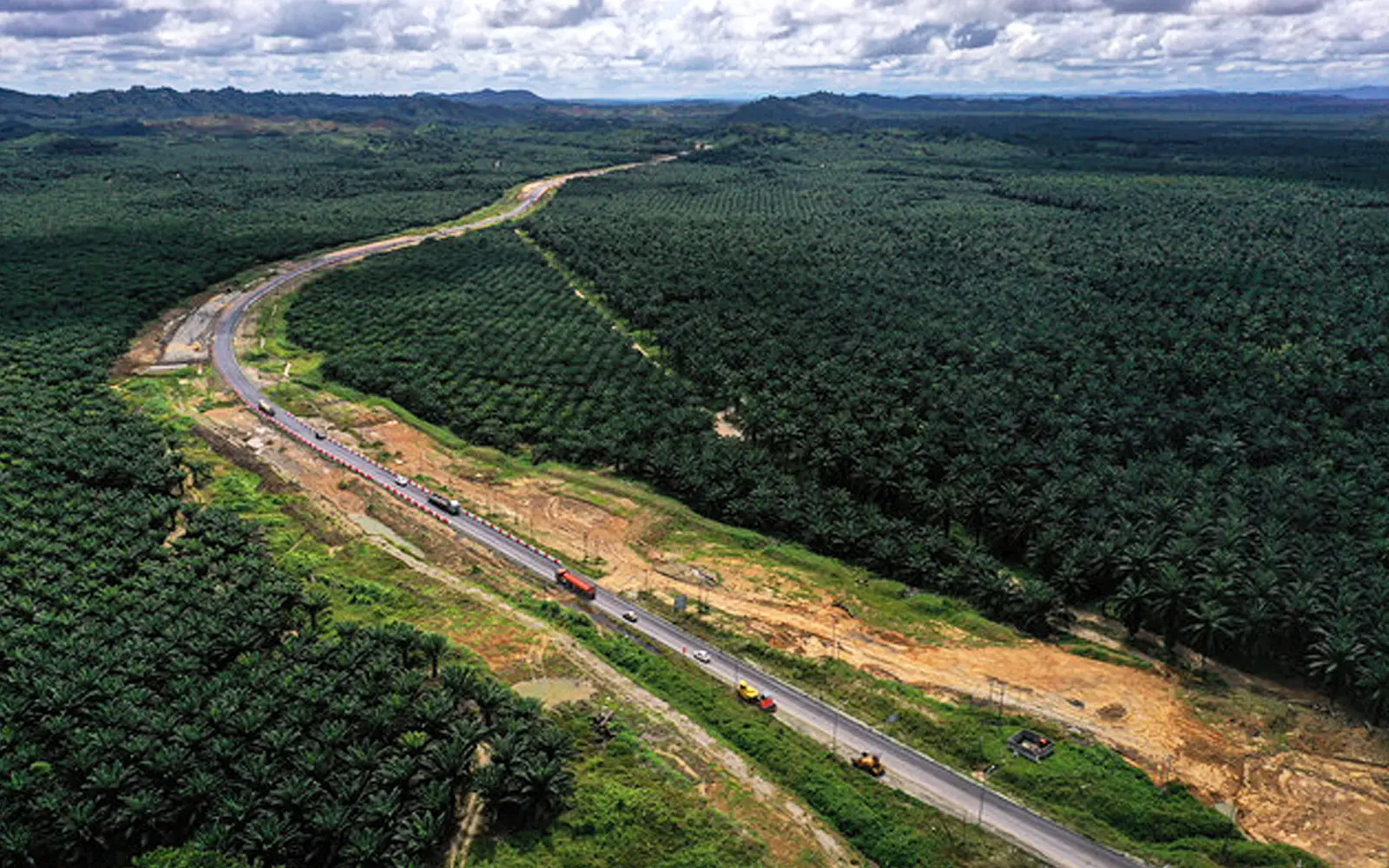
Mustapha had previously stated in late October that the government cannot be satisfied with announcing billions of ringgit in budgets if their benefits do not reach the people. He acknowledged ongoing issues related to infrastructure projects, water supply, electricity, and the delay of major federal projects, including the Pan-Borneo Highway.
Mustapha pointed out that federal budgets for Sabah have increased from RM13 billion in 2022 to RM17.6 billion this year, while Sarawak has seen an increase from RM10.2 billion to RM15.1 billion over the same period.
Awang Azman believes that Mustapha's approach reflects a change in how Sabah's central government leaders advocate for the state's interests, moving beyond merely securing budgets to ensuring their effective implementation. "Sabah's central government leaders are not only responsible for securing budgets; they must also be bold in urging ministries and execution agencies to ensure every ringgit spent truly benefits the people," he said.
However, Awang Azman cautioned that meaningful change will only occur if this shift translates into more rigorous project monitoring, better financial management, and efforts to prevent or address project delays. He also suggested that Mustapha's approach could boost public confidence by demonstrating an understanding of the daily issues faced by Sabah and Sarawak residents.
"Trust in politics is not built just by admitting there's a problem, but by evidence that the problem is being effectively resolved," Awang Azman said.
Azmi Hassan, another analyst, characterized Mustapha's admission as a positive development, noting that it also suggests Sabah and Sarawak leaders must evaluate their own roles in addressing development challenges. He cautioned against the tendency to blame the federal government entirely for development issues, especially when budgets are provided but projects fail to progress as scheduled.
Azmi noted that while blaming the federal government may have worked in the past, it is no longer sufficient. He highlighted that the delay in project management and implementation needs greater attention, and Mustapha's admission could serve as a signal to Sabah and Sarawak leaders to acknowledge long-standing shortcomings in project execution.
Written by urgent.news from Free Malaysia Today's reporting — not their text. Machine-written — may contain errors; check the original before relying on it.
Also reported by 1 other outlet
- Putrajaya beralih kepada akauntabiliti dalam pembangunan Sabah, Sarawak freemalaysiatoday.com