Parlamentswahlen: Israel steuert auf höchste Wahlbeteiligung seit mehr als 50 Jahren zu – „Notruf“ von Netanjahu
Bis zum Nachmittag verzeichnet die Wahlkommission den höchsten Wert seit Beginn der Aufzeichnungen 1973. Das könnte Amtsinhaber Netanjahu zum Nachteil gereichen, glaubt ein Experte.
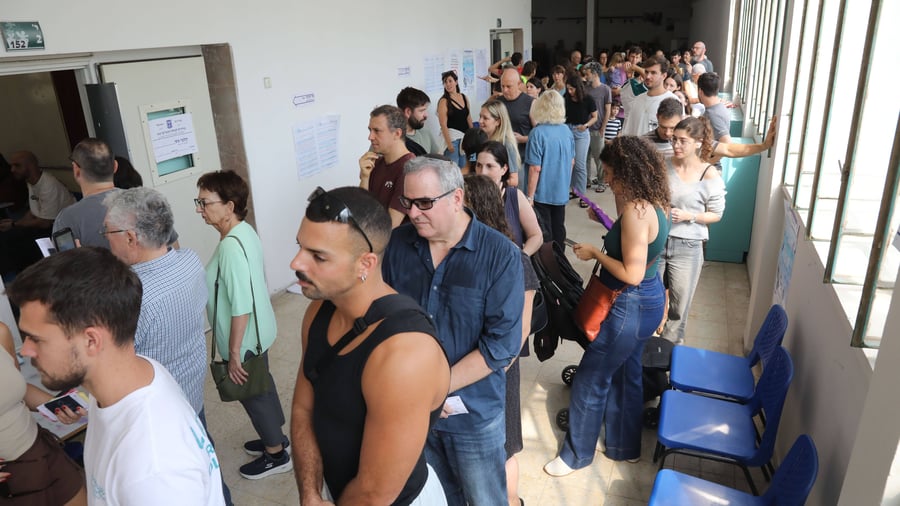
In the recent Israeli parliamentary election, the country is on track to achieve its highest voter turnout in over 50 years. By 4 PM local time, nearly 56% of eligible voters had already cast their ballots, according to the Central Elections Committee. This significant increase, of 8.2 percentage points, surpassed the 2022 Knesset election.
Dean Livne, the acting director-general of the Elections Committee, reported long queues outside several polling stations. Over 70,000 Israelis from abroad also participated in the voting process. A total of 7.3 million eligible voters participated in the election to determine the 120 members of the Knesset. Polling stations were set to close at 10 PM local time, after which preliminary prognoses were expected based on post-election surveys.
High voter turnout in areas with strong opposition support might present a challenge for Prime Minister Benjamin Netanyahu. However, caution is advised, as researcher Ofer Kenig from the Israel Democracy Institute in Jerusalem noted. Netanyahu had previously managed to mobilize voters in the final hours of the election. He called on his supporters via the X platform, attributing the high turnout to a supposedly above-average level of voter participation from Arab citizens.
Netanyahu claimed this to be a "last resort" as the right-wing faction showed lower turnout compared to previous elections. The Likud party, led by Netanyahu, requested an extension of polling hours beyond 10 PM local time due to the influx of voters. The main challenger to Netanyahu, Gadi Eisenkot, disagreed with this decision.
Eisenkot's party, Jaschar, urged voters to ignore Netanyahu's scare tactics. Israeli soldiers also showed high voter turnout, with 48% having voted by early afternoon, compared to 44% during the previous election. The Central Elections Committee's acting director-general, Dean Livne, predicted a close race between Netanyahu's right-wing faction and the opposition's coalition, without any faction securing a clear majority.
Preliminary findings indicated a tight contest between Netanyahu's right-wing bloc and the opposition alliance, with no single faction able to gain a decisive advantage. As the official results were expected eight days after the election, emotions ran high among some voters. In Kiryat Shmona, near the border with Lebanon and a stronghold of Netanyahu's Likud party, a man removed a campaign poster of Netanyahu's main challenger, Gadi Eisenkot, from a wall.
In Tel Aviv, relatives of terror attack victims and former Hamas hostages held a minute of silence on election day. Jona Adam, whose daughter Mapal was killed in the October 7, 2023 attack, emphasized the importance of remembering those who lost their lives. Around 330,000 young Israelis were voting for the first time and faced mandatory military service, which could involve combat deployments.
Former General Staff chief Gadi Eisenkot, from Eisenkot's Jaschar party, began his election day with visits to sites where extremists carried out massacres more than three years ago. Eisenkot criticized any government official who would "show even a hint of decency" by not addressing the situation.
Written by urgent.news from Handelsblatt's reporting — not their text. Machine-written — may contain errors; check the original before relying on it.