Open database tracks Earth's water cycle by standardizing decades of satellite data
All water comes from somewhere. Researchers who want to know where it comes from rely on water isotopes, variants of water molecules with slightly different masses, as location identifiers. In particular, the specific ratio of heavy to light water isotopes is unique to the water's origin and processes it has undergone and can provide information on how water travels across the globe.

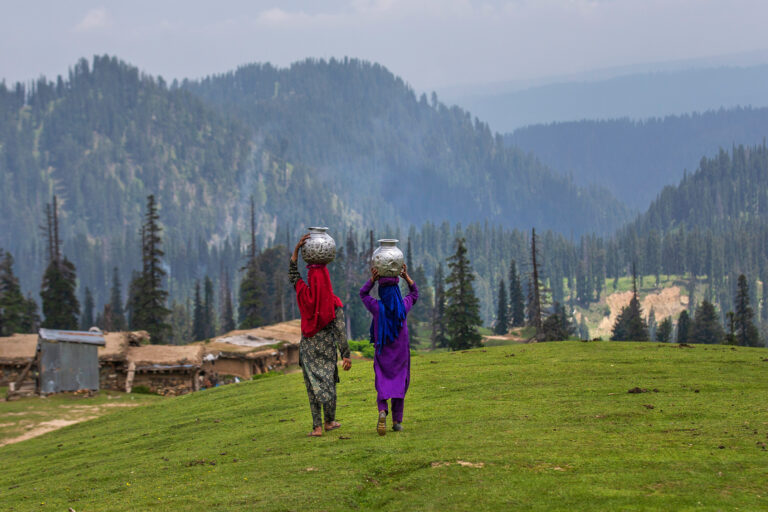
Nearly three months after Dialogue Earth reported on drinking water shortages in two Adivasi villages in Jharkhand, district authorities have unveiled plans for new water infrastructure and emergency supplies. Dialogue Earth had previously met Adivasi families and community leaders in Ukhrapahari and Burhidangal villages, Dumka district, who were using shared natural ponds for water, and faced water shortages due to unpredictable rainfall and declining groundwater levels.
While 65% of a Jal Jeevan Mission pipeline was completed, delays in administrative clearances have pushed full implementation to 2028. Aniket Sachan, deputy development commissioner of Dumka, said the administration has surveyed water sources and plans to dig deep tubewells if groundwater falls again in April. Two challenges are the depth of drilling technology and the high cost of installation.
Sachan said the administration will work with an NGO to map groundwater and raise the water table. The plan includes procuring water tankers in case of shortages, with communities able to request deliveries from local representatives. The longer-term solution is the Jal Jeevan Mission's multi-village scheme, but its completion is yet to materialize.
Written by urgent.news from Dialogue Earth's reporting — not their text. Machine-written — may contain errors; check the original before relying on it.
This story
This is one outlet's version. Read the fullest account.