Netanyahu loses his majority, but no one has won it yet
If today's Israeli general election was a referendum on Benjamin Netanyahu, the result is far less clear-cut than the country's opposition would have wanted, writes Deputy Foreign Editor Edmund Heaphy.
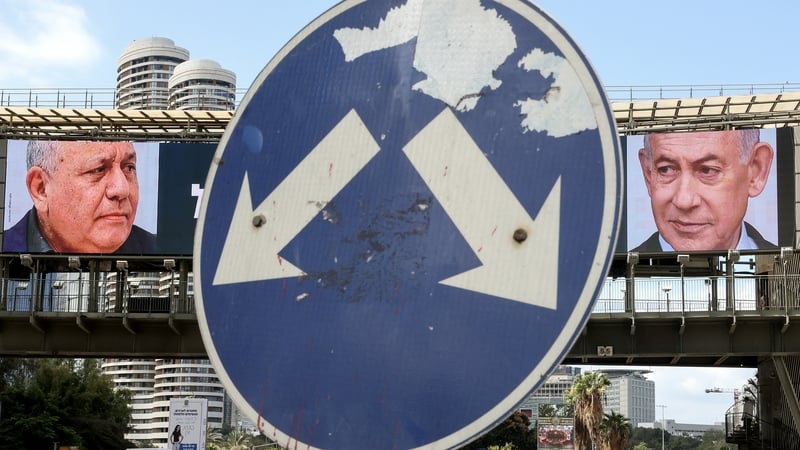
In today's Israeli general election, the results are more ambiguous than the opposition had anticipated. According to the exit polls, Benjamin Netanyahu's Likud party will likely be the largest in the next Knesset despite losing seven or eight seats. Simultaneously, the opposition bloc led by Gadi Eisenkot's Yashar party seems to have surpassed the prime minister's camp.
Eisenkot had anticipated emerging as the largest single party to secure a decisive mandate for negotiations to form a government. However, Netanyahu has a history of dominating Israeli politics for three decades and is known for his political acumen. To comprehend the broader picture, it's essential to consider both the far-right parties and the Arab factions.
Netanyahu managed to avoid significant losses by aligning himself closely with the far-right parties he governed with for the past four years. While Likud gained several seats over the final polls, the parties to its right remained relatively unchanged. In fact, a new hard-right party led by former general Ofer Winter appears to have fallen below the threshold to enter parliament.
Consequently, although Likud leads the largest party, Netanyahu and his allies on the far-right and among the ultra-Orthodox parties are still far from the 61 seats required for a majority.
The other significant development of the night is the Arab parties, which have made substantial gains, potentially winning 17 or 18 seats. This would be the highest number ever for Arab-led parties in Israel. According to one exit poll, Arab turnout even exceeded that of Jewish voters. This surge in Arab representation leads to a clear majority against Netanyahu, requiring him to find alternative partners to form a government.
Nevertheless, the opposition parties have ruled out collaborating with Arab parties, as they do not meet their conditions, particularly the rejection of Hamas as a terrorist organization. Consequently, despite Netanyahu losing the election as a referendum, he faces an uphill battle to regain power. The opposition parties have expressed their unwillingness to form a government with Arab parties, leaving Netanyahu with no clear path to reclaiming the prime minister's office.
Written by urgent.news from RTE News's reporting — not their text. Machine-written — may contain errors; check the original before relying on it.