Migrationspolitik: Was wird aus der EU-Grenzschutzbehörde Frontex?
Krisenbewältigung, Abschiebungen, Grenzkontrollen: Frontex hat viele Aufgaben, soll bald noch mehr können, steht aber auch immer wieder in der Kritik. Wie sieht die Zukunft des EU-Grenzschutzes aus?
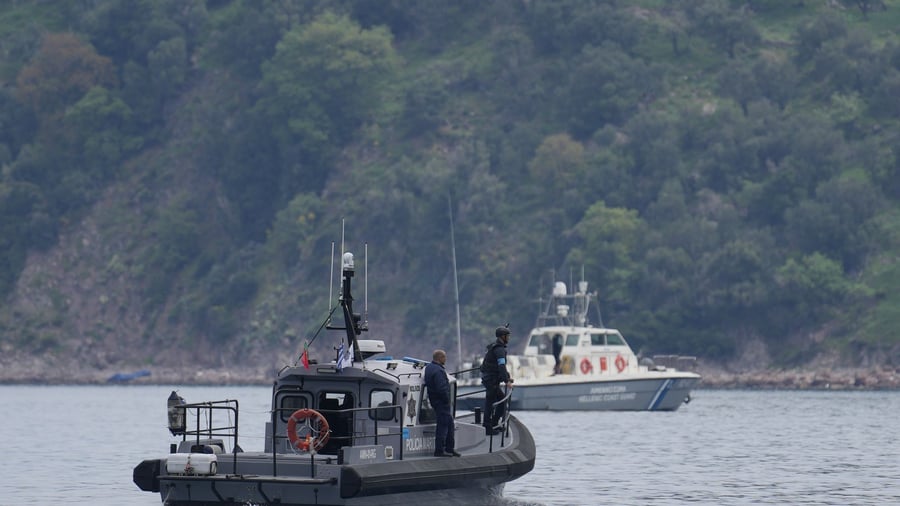
The European Union's border protection agency, Frontex, is set to receive more support from Germany and other member states to aid in deportations, according to plans proposed by the European Commission. The agency, based in Warsaw, aims to provide additional resources and opportunities for the agency. The lessons learned from the migrant crisis in Ceuta, Spain, which resulted in at least 140 deaths, will also be taken into consideration.
Frontex's current role and future role in European migration policy are being reevaluated. Frontex is the European Agency for Border and Coast Guard, responsible for supporting member states in border control, such as passport checks and border monitoring. The agency can only act upon request or permission from the affected EU country and works alongside local police or coast guard.
Frontex is expected to have 10,000 personnel next year, primarily composed of 3,000 full-time officers, 7,000 personnel provided by member states, and a reserve of personnel from Germany and other EU countries for unexpected situations. More personnel is expected to be provided by the EU Commission in the coming years. Frontex is also expected to play a larger role in deportations.
EU-Migration Commissioner Magnus Brunner announced that Frontex should become the central EU deportation agency. A new deportation coordination center is to be established for this purpose. Additionally, the EU Commission has announced plans to equip Frontex with a rapid response team. In July, around 80,000 migrants from Morocco arrived in Ceuta within a short time, causing a diplomatic crisis between member countries.
Frontex has faced criticism for not sufficiently protecting the rights of refugees and migrants, particularly regarding pushbacks where migrants are forcibly returned, often violently, such as in Greece. Frontex has been accused of not preventing or investigating such incidents adequately. The agency has its own control mechanisms, deploying observers to monitor and investigate if fundamental rights are violated, such as by national authorities.
In the past year, Frontex closed investigations into 42 incidents, finding at least one fundamental rights violation in seven cases and suspecting a violation in 21 others, with evidence provided by media, non-governmental organizations, or Frontex employees.
Written by urgent.news from Handelsblatt's reporting — not their text. Machine-written — may contain errors; check the original before relying on it.