Lula’s win gives Brazil an opportunity to cement its climate leadership, but challenges remain
In his fourth term, the President can potentially negotiate across the divides that currently frustrate climate agreements, given his country’s status as Latin America’s largest economy, host to most of the Amazon, and its diplomatic relationships with the EU, the U.S., China, the BRICS countries and other devel
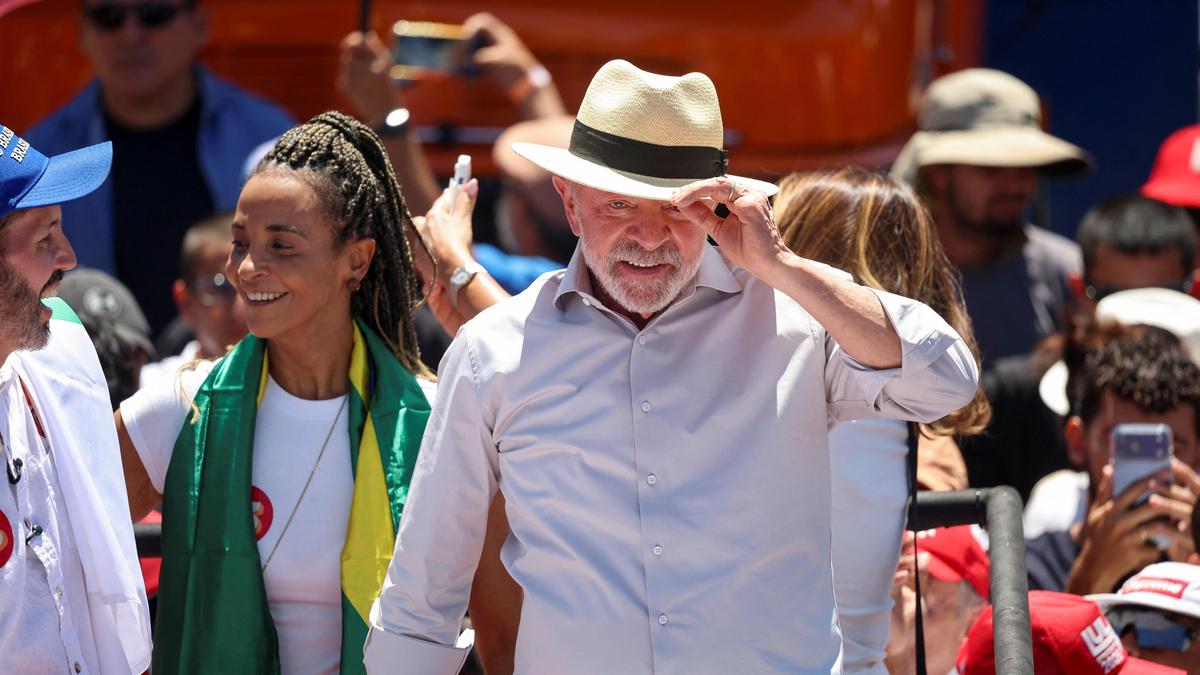
President Luiz Inácio Lula da Silva secured a historic fourth presidential term in Brazil's recent election, reversing a recent trend of right-wing governments in Latin America. After narrowly losing to Jair Bolsonaro in the first round, Lula staged an impressive comeback and won the runoff by over 3.5 percentage points, garnering more than 4 million votes. This victory marked the first time a Brazilian candidate won a presidential election after not winning the first round, and Lula was widely expected to lose.
Lula's campaign focused on addressing income inequality, promoting clean energy, improving access to education and technical training, and striking a balance between defending Brazilian sovereignty and maintaining good relations with various nations and blocs. In contrast, Bolsonaro promised to cut government spending, increase militarized policing, and support the U.S. administration's efforts against drug violence. He also offered access to critical minerals in Brazil for U.S. investors.
The election results highlighted the power of effective digital communication and the influence of social media. Lula's team quickly mobilized a network of young, tech-savvy supporters who created and shared engaging content on WhatsApp and Instagram. This strategy enabled Lula to overcome the anti-incumbent mood caused by economic hardships, high prices, stagnant salaries, and a corruption scandal involving Brazilian elites.
Additionally, Lula managed to gain support in the traditionally conservative Minas Gerais state, flipping it to his side and increasing his vote count by over 2 million votes.
The victory also challenges the notion that Brazilian politics mirror those of the United States. While both countries face income inequality and the rise of a politically active evangelical right, Lula's campaign emphasized social welfare and clean energy, rather than deindustrialization and "Uberization" of the economy. Lula's supporters capitalized on this distinction, leveraging social media to create an alternative narrative that resonated with a broader base of voters.
Written by urgent.news from The Conversation's reporting — not their text. Machine-written — may contain errors; check the original before relying on it.
This story
This is one outlet's version. Read the fullest account.