Laredo’s Palace in Alcalá de Henares, Spain
As soon as you leave the Alcalá de Henares train station and walk toward the historic center, a richly decorated Neo‑Mudéjar brick building immediately stands out, reminiscent of Comillas Palace by Gaudí. This is Laredo Palace, created by Manuel José Laredo (1842–1896), who was not only the city’s mayor but also a painter, decorator, and restorer. Completed in 1886, the palace blends Neo‑Mudéjar,…
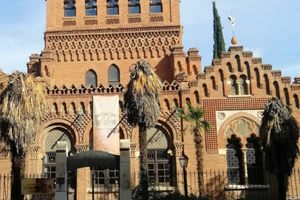
The Laredo Palace in Alcalá de Henares, Spain, is an architectural marvel that embodies a unique blend of Neo-Mudéjar, Neo-Gothic, and Modernist styles. Created by Manuel José Laredo, who was also the city's mayor, painter, decorator, and restorer, the palace was constructed between 1884 and 1886. Laredo directed the entire project, drawing inspiration from William Morris’s Arts and Crafts movement and incorporating elements from various historical periods.
The exterior is characterized by brick façades adorned with geometric patterns, Moorish latticework, and a distinctive clock-tower minaret topped with a green and white glazed ceramic dome. Inside, the palace features Modernist decorative motifs and Pompeian-inspired frescoes, with the "Hall of Kings" showcasing portraits of monarchs and a ceiling depicting the medieval cosmos.
The interior also includes an Arab room with plasterwork and tiles inspired by the Alhambra, as well as archaeological pieces from other buildings, such as vaults and columns from Santorcaz Castle and coffered ceilings from the Palace of the Marquises of Tendilla. Today, the palace serves as a museum, housing exhibits including a complete copy of the Complutensian Polyglot Bible, the first of its kind in the world.
Brief written by urgent.news from Atlas Obscura's own syndicated text. Machine-written — may contain errors; check the original before relying on it.