Just to be clear: The most passive-aggressive email phrases, according to workers
A poll of 2,000 professionals uncovered the email phrases that drive people batty.
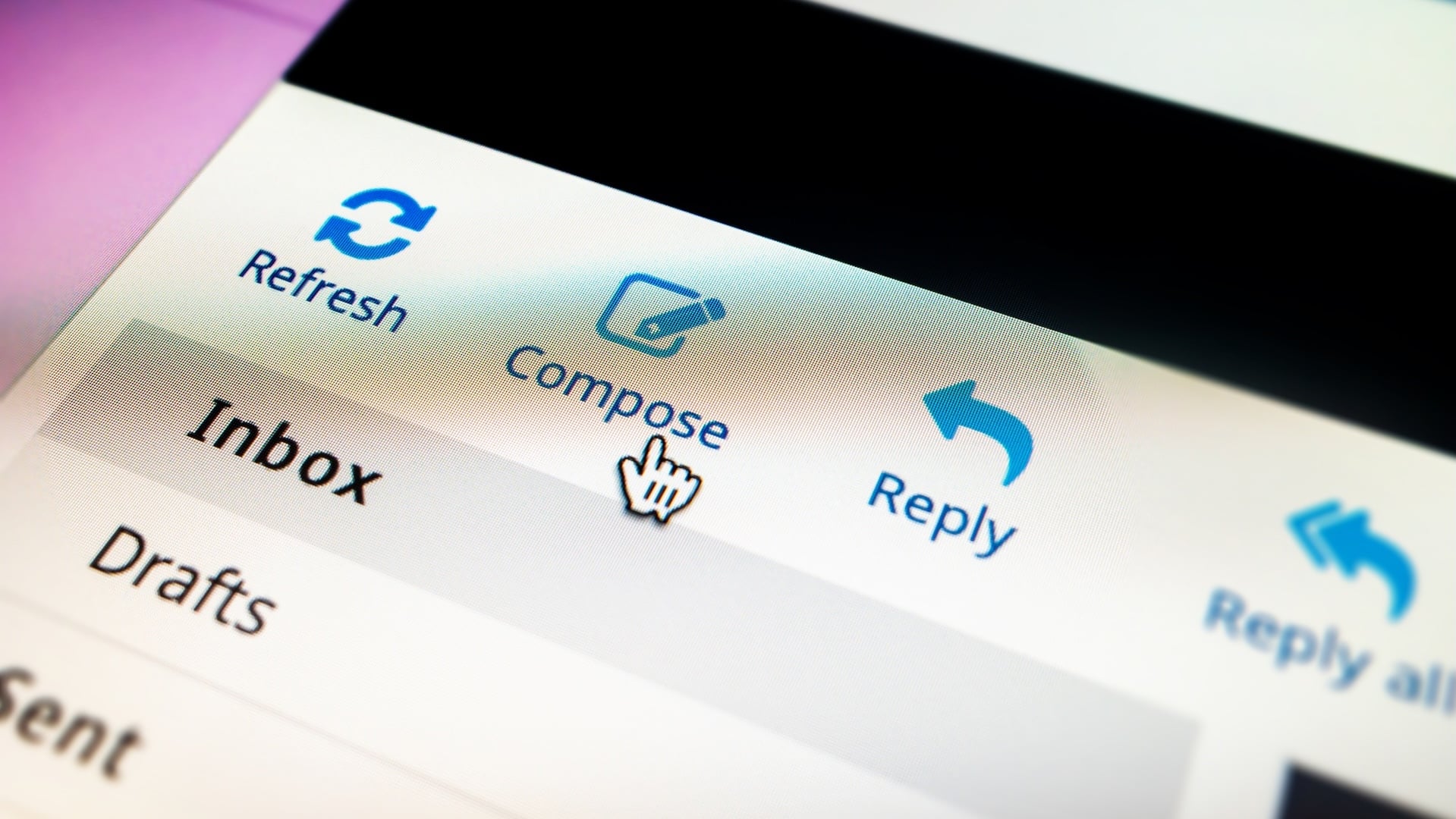
A recent survey conducted by ZeroBounce, an email validation platform, has identified the most passive-aggressive email phrases, according to workers. The study polled 2,000 American and European professionals on their perception of common email vernacular. The phrase that topped the list of most passive-aggressive email sayings was "Just to be clear," cited by 21 percent of respondents.
Other phrases that made the top ten included "Per my last email" (14 percent), "Kindly note" and "As previously discussed" (10 percent each).
Other disliked phrases included "Just checking in," "Not sure if you saw this," "Going forward," "For future reference," and "Friendly reminder." Respondents were also asked about phrases they still use despite their passive-aggressive nature. These included "Thanks in advance," "Following up," "Just checking in," and "Any updates."
Founder and CEO of ZeroBounce, Liviu Tanase, suggested that while people may not intend to sound passive-aggressive in their emails, certain phrases carry enough negative connotations that the reader perceives them as hostile. The survey also identified phrases that are not just irritating but instantly stressful. These were "Need this ASAP" (56 percent), "Can we chat?" (40 percent), "Action required" (34 percent), and "Let's take this offline" (27 percent).
The full survey results are available on the ZeroBounce website, including data on how many unopened emails workers consider "too many."
Written by urgent.news from Mashable's reporting — not their text. Machine-written — may contain errors; check the original before relying on it.