Japan's top yen stablecoin falls short of its target in a disappointing first year
CEO Noritaka Okabe blamed a 1 million yen per-transaction cap for Type II funds transfer providers, which has slowed corporate adoption.
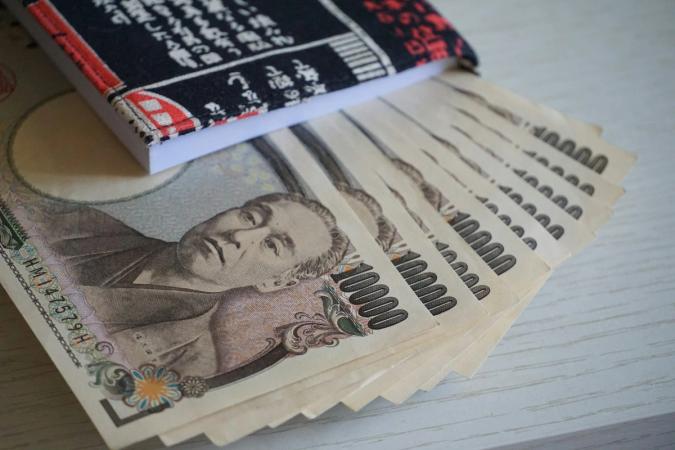
JPYC, Japan's top yen stablecoin, has underperformed in its inaugural year, falling short of its issuer's ambition. Issued by JPYC Holdings, the token aimed to reach one quarter of its target circulation but only managed to attain a quarter of that goal. CEO Noritaka Okabe admitted to The NADA NEWS that the stablecoin had not achieved the traction they had anticipated.
Trading volume, while not terrible, was also below the company's satisfaction threshold. As of October 23rd, only 3.2 billion yen was in circulation, compared with the 12.1 billion yen that had been cumulatively issued. This figure is in line with what DeFiLlama reports, encompassing tokens that have since been redeemed, which casts a shadow on JPYC's ability to remain in circulation.
The token's circulation briefly exceeded 4.2 billion yen in September, following South Korean exchange Upbit's listing of JPYC. This surge in trading led to a temporary market price above 1 yen, prompting traders to mint new tokens for arbitrage opportunities. However, this rapid increase in trading volume was short-lived, as circulation fell back to around 3 billion yen.
This situation has implications for JPYC's business model, as the stablecoin is backed by bank deposits and Japanese government bonds. Earning interest on these reserves, a smaller circulation means reduced potential income. The issuer attributed the disappointing results to a daily issuance limit of 1 million yen, which is a constraint tied to Japan's Type II funds-transfer rules.
While this limit was eased in May, allowing for greater daily requests, it still inhibits rapid repeat transactions, causing frustration among corporations seeking to adopt JPYC. Notably, software company Asteria, which aims to hold 1 billion yen in JPYC, has been forced to build its balance through installments. Despite the weak performance, JPYC boasts a growing list of partners, including logistics firm AZ-COM Maruwa, which signed an alliance in July to develop payments for approximately 2,300 business partners.
Additionally, SBJ Bank and LINE NEXT have agreed to test bank-linked stablecoin wallet top-ups, though the project remains in the trial phase. The Financial Services Agency of Japan is also reviewing stablecoin regulations, with a roadmap expected in early 2027. Okabe now envisages circulation reaching tens of billions of yen in JPYC's second year, a tenfold increase from the current levels.
He envisions diversified RWA stablecoins that can sustain yields of 5-7% from real credit as crypto funding dwindles to around 4%. In the broader landscape, GENIUS stablecoins are expected to push yield off-chain, with the total addressable market (TAM) growing to $4B in three years.
Written by urgent.news from CoinDesk's reporting — not their text. Machine-written — may contain errors; check the original before relying on it.