Israel elections 2026: Can Netanyahu lose polls but cling to power? How coalition arithmetic could decide Bibi's fate
Israel’s 2026 election could see Benjamin Netanyahu lose at the ballot box yet remain in power. With neither bloc assured of a majority, coalition negotiations, smaller parties and Palestinian-led factions could determine who governs.
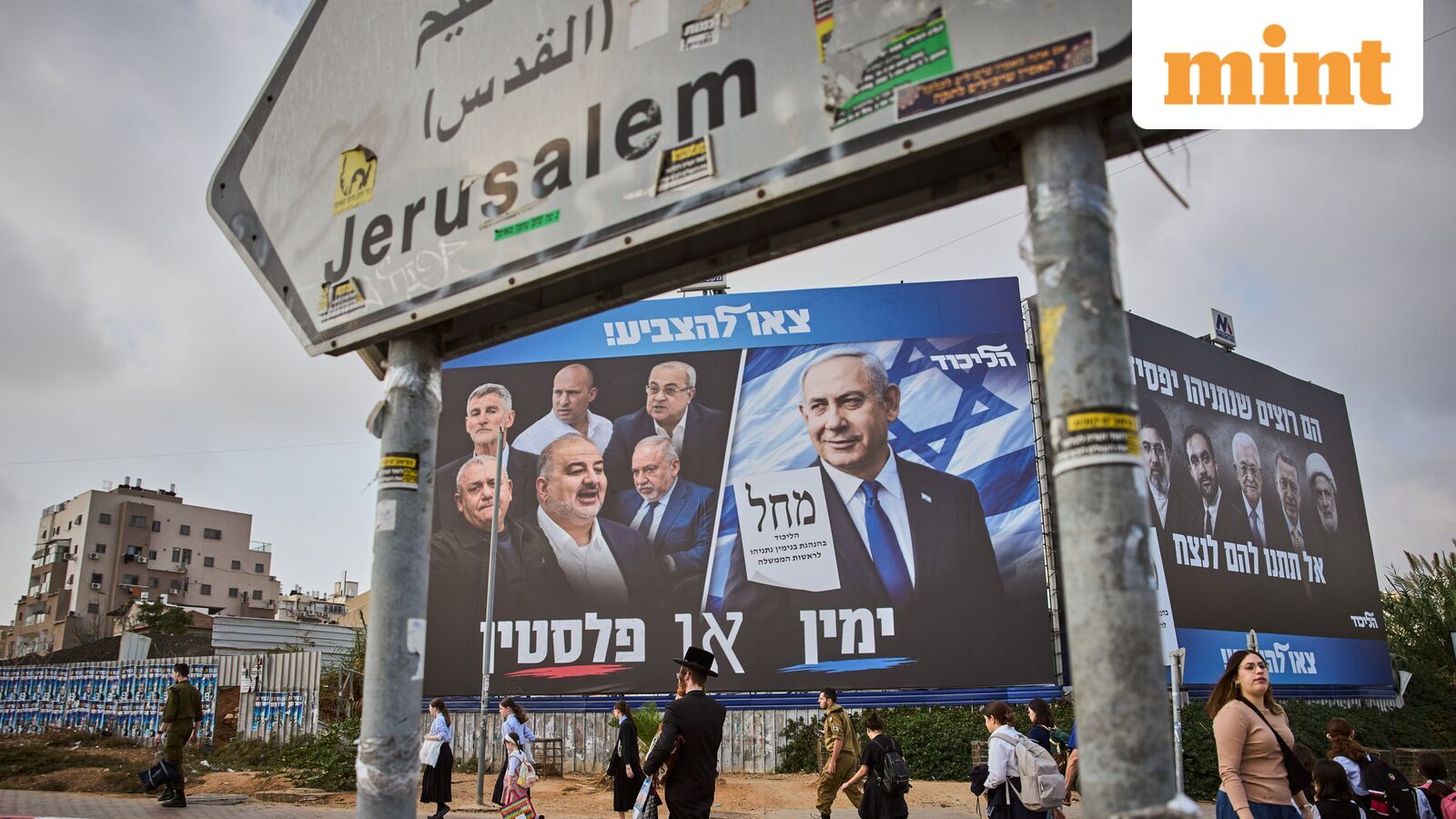
Israel is set for a decisive general election on October 27, with the future of Prime Minister Benjamin Netanyahu hanging in the balance. While Netanyahu's political fate may not be determined solely by the popular vote, the country's coalition-based parliamentary system could prove to be the deciding factor in whether he retains power or steps down.
Netanyahu, known as Bibi, is facing a formidable challenge from former military chief Gadi Eisenkot and his opposition alliance. Even if Eisenkot's alliance emerges with the most seats, Netanyahu could still cling to power if his Likud party and its allies secure enough support to form a governing coalition. To do so, they would need to secure at least 61 out of the 120 seats in the Knesset, the Israeli parliament.
The formation of a coalition requires negotiation between parties, and smaller parties that secure a few seats could play a crucial role in determining whether either bloc can reach the 61-seat majority needed to govern. If no party or coalition can secure a majority, the country could hold another election, allowing for the possibility of a different government being formed.
The outcome of the election could have significant implications for Israel's approach to the ongoing conflict in Gaza and its relations with regional powers, such as the United States and Europe. It could also shape Israel's domestic political landscape, with potential consequences for defense cooperation, trade, and energy security.
For India, the stakes are high due to its close defense and trade ties with Israel. As the election unfolds, India will be watching closely to assess how the result may affect its strategic interests and diplomatic relationships in the region.
The events leading up to the election, particularly the Hamas-led attacks on October 7, 2023, have left deep divisions within Israeli society. Netanyahu has faced widespread criticism over his handling of the security situation, fueling political unrest and uncertainty about the future direction of the country.
Written by urgent.news from Live Mint's reporting — not their text. Machine-written — may contain errors; check the original before relying on it.
This story
This is one outlet's version. Read the fullest account.
- Israel elections: Netanyahu’s power at stake? Gadi Eisenkot's challenge, who'll win and possible poll outcomes explained livemint.com
- Capital controls, no imports: What Netanyahu's crypto economy would mean for Israel haaretz.com
- Netanyahu’s crypto bet signals a dangerous readiness to accept economic isolation timesofisrael.com