Israel awaits election results after turnout soars
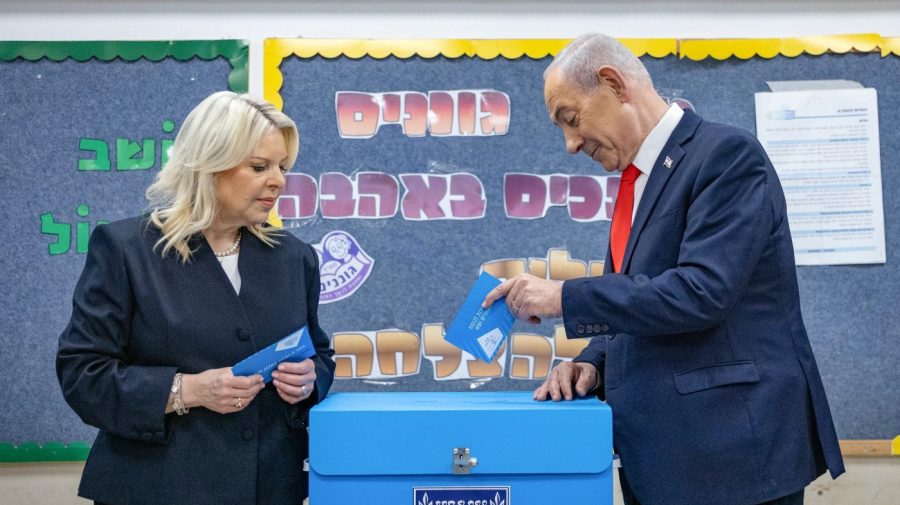
Israelis are awaiting their general election results after voting in their highest numbers in decades on Tuesday at a pivotal moment for the Middle East. Votes were being counted overnight after a closely-fought contest between Prime Minister Benjamin Netanyahu and his main rival, former army general Gadi Eisenkot. An exit poll by Channel 12 showed Mr Netanyahu's Likud party winning 24 seats in…
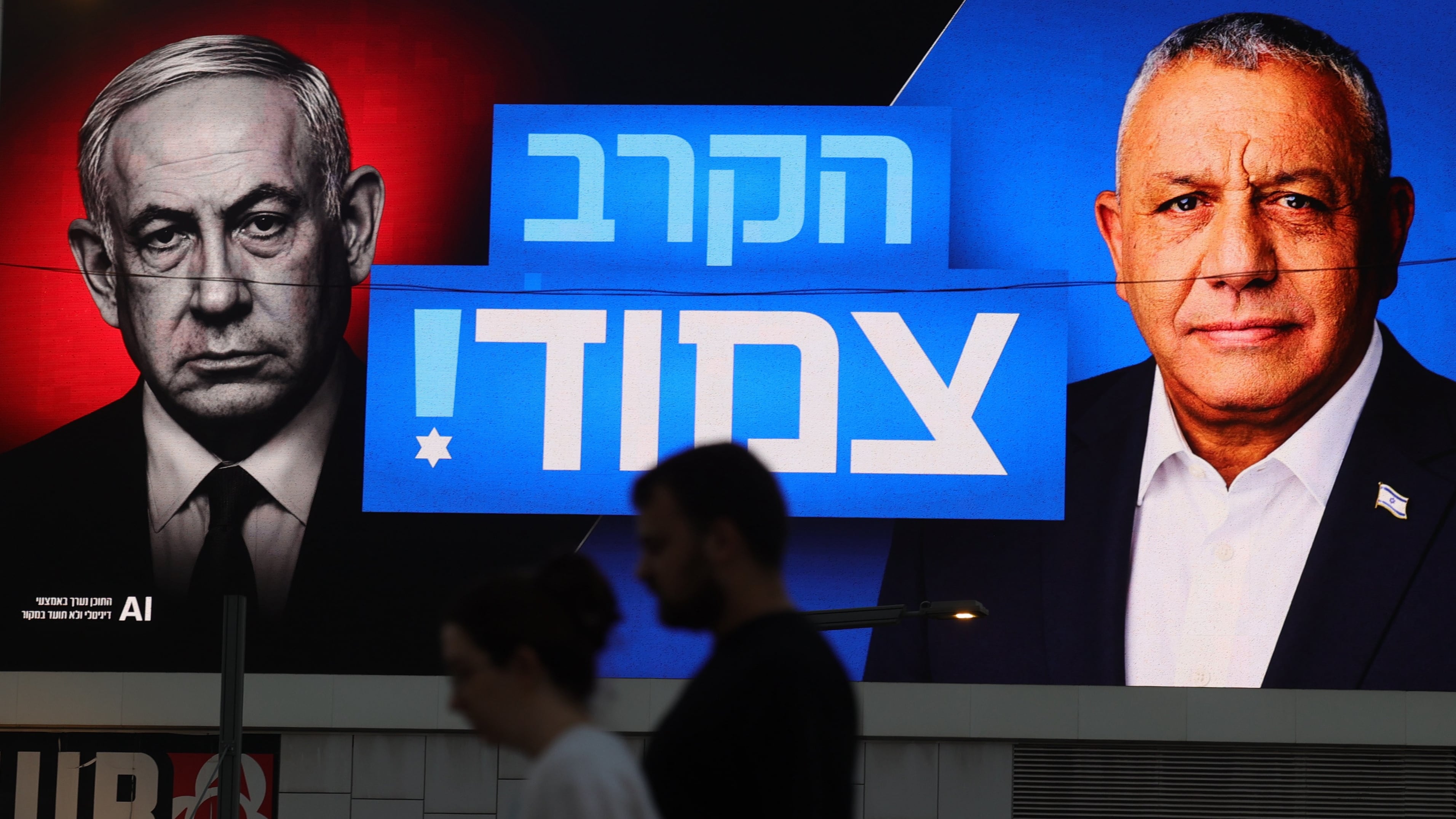
Israelis are eagerly awaiting the outcomes of their general election after a surge in voter turnout on Tuesday. The vote took place amid a critical juncture for the region, as citizens chose between Prime Minister Benjamin Netanyahu and his main challenger, former army general Gadi Eisenkot. The Channel 12 exit poll indicated Netanyahu's Likud party secured 24 seats out of the 120-member Knesset, while Eisenkot's Yesh Atid party claimed 22 seats, their coalitions being neck and neck.
This outcome would result in a loss of eight seats for Likud, necessitating weeks or months of coalition talks to achieve the 61-seat majority required.
With high voter participation, long lines formed at polling stations, and reports of a man with a large knife approaching opposition politician Yair Golan, who was unhurt. Additionally, three individuals were arrested for alleged bribery. The election saw increased participation from Israel's Arab minority, with some casting their votes for the first time, expressing a desire for change after more than three years of "catastrophe" following the October 7 attacks.
The high Arab turnout has raised the possibility of these minority parties playing a pivotal role in the new parliament, either by joining a coalition or tolerating a minority government. Netanyahu remains in office during the coalition-building process, with no formal restrictions on his powers. This prolonged period of uncertainty has sparked fears that Netanyahu might exploit the situation, possibly by initiating a new conflict with Iran, a country with which Israel has a history of political deadlock.
Since 2019, Israel has held five elections as parties struggled to form stable governments. According to Israeli law, the President first assigns a lawmaker to form a coalition, granting them up to 42 days. If unsuccessful, a second candidate receives 28 days. If both fail, a final 21-day period allows any member of the Knesset to attempt to gather 61 signatures. If this deadline also expires without a majority, the Knesset dissolves itself, and a snap election is held roughly 90 days later.
Written by urgent.news from The National UAE's reporting — not their text. Machine-written — may contain errors; check the original before relying on it.
This story
This is one outlet's version. Read the fullest account.
- Live: Polls to close in Israel's most seismic election in decades abc.net.au
- People of Israel, Reservists-Economic both projected to fall short of threshold, exit polls show jpost.com
- Israel election commission rejects Netanyahu party bid to extend voting middleeasteye.net
- Israel's Elections Committee rejects Likud petition to extend voting hours haaretz.com
- Elections in Israel: All election polls and the battle to form a government israelnationalnews.com
- Israel: October 7 families remember victims as voters head to polls euronews.com
- Arab parties in Israel accuse Netanyahu of inciting hatred to scare voters aljazeera.com
- Australia news LIVE: Nearly 800 threats against MPs in six months, AFP says, as Labor bolsters safety after Haines attack; Israelis head to polls for first election since October 7 attacks theage.com.au