Is an Under-Sink Reverse Osmosis System Worth It? Benefits, Costs, and Drawbacks
The Waterdrop X12 improved the taste of my tap water, but reverse osmosis comes with costs beyond the purchase price.
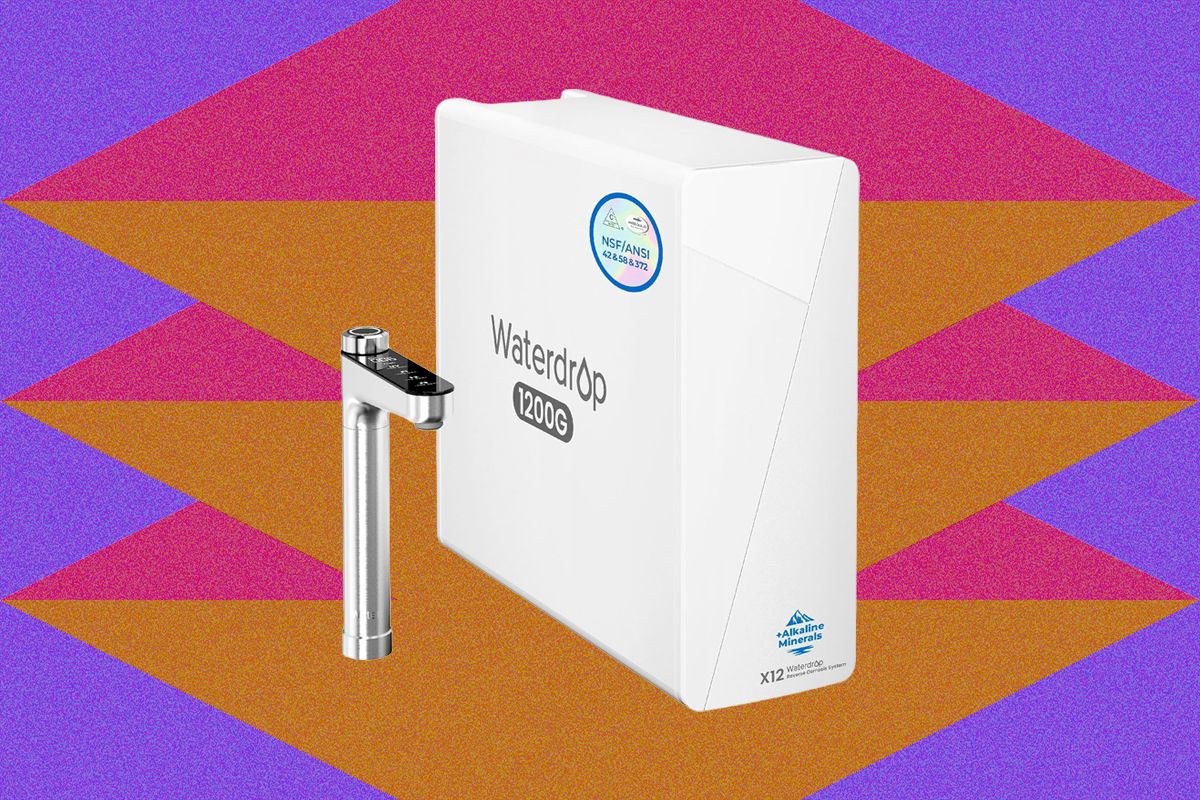
The article examines whether an under-sink reverse osmosis (RO) system is a worthwhile investment for homeowners. Reverse osmosis functions by forcing water through a fine membrane, removing contaminants such as salts, sugars, and minerals. Unlike traditional filtration systems that rely on physical barriers like activated carbon, RO systems provide much cleaner water by capturing contaminants on a microscopic level.
There are two types of RO systems: tanked and tankless. Tanked systems filter water slowly and store it in a tank under the sink, while tankless systems process water on demand and require electricity. However, tankless systems are more expensive due to their complexity. Reverse osmosis systems are more effective at removing contaminants like PFAS (per- and polyfluoroalkyl substances), lead, nitrate, and arsenic compared to carbon filters.
However, RO systems come with drawbacks, primarily related to cost. They waste water during the filtration process, requiring up to 4 gallons of tap water to produce 1 gallon of purified water. Filters also need to be replaced annually or biannually, costing between $50 to $200 annually. Additionally, RO systems can strip beneficial minerals like calcium, magnesium, and potassium from the water, and they also remove fluoride, which can be undesirable for some users.
Despite these drawbacks, the decision to install an under-sink RO system depends on the quality of your local water supply. According to John Voll, a water treatment expert, most people do not require RO systems, but households with specific concerns—such as high levels of PFAS, chloramine disinfectant, or hard water—may benefit from installing one.
Written by urgent.news from Wired's reporting — not their text. Machine-written — may contain errors; check the original before relying on it.