Iran security chief meets Supreme Leader after talks with Makkah pact countries
DUBAI: Iranian Security Council chief Mohsen Rezaei on Tuesday met Supreme Leader Ayatollah Mojtaba Khamenei, not seen in public since succeeding his slain father in March, a day after holding talks with representatives of Pakistan, Saudi Arabia and Turkiye. State media said Khamenei had stressed the importance of pursuing Iran’s interests and maintaining its conditions for ending the war. Top…
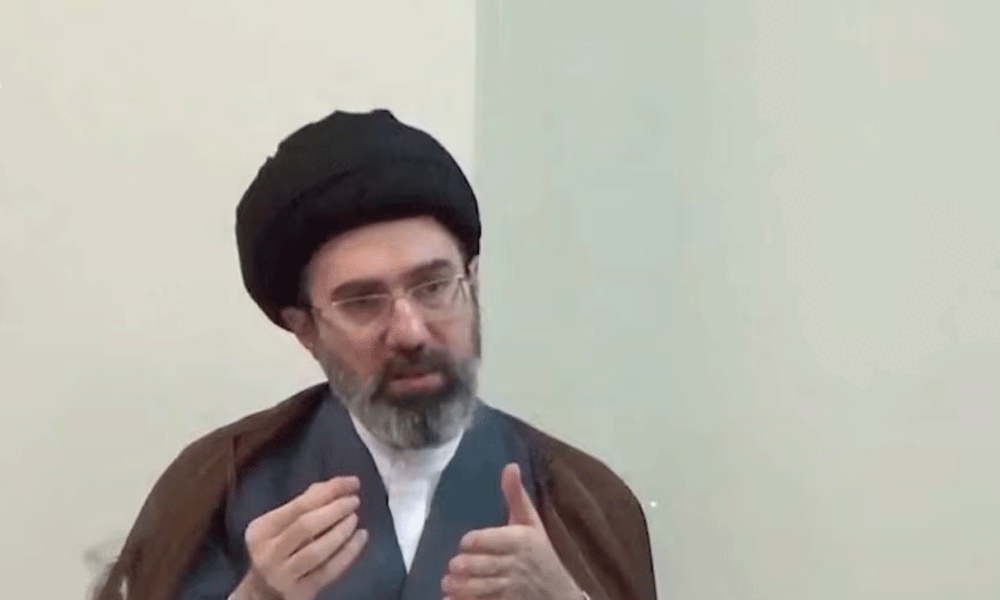
Iran's Security Council chief, Mohsen Rezaei, met with Supreme Leader Ayatollah Mojtaba Khamenei on Tuesday, marking their first public appearance in over a month. Khamenei, who succeeded his father after his assassination in March, emphasized the need to protect Iran's interests and maintain conditions for ending the ongoing war.
Representatives from Pakistan, Saudi Arabia, and Turkey visited Tehran on Monday to assist in de-escalating the conflict, which erupted after the US and Israel launched attacks on Iran in February. This meeting marked the first high-level contact between Iran and the three nations since the war escalated, leading to direct conflict between Saudi Arabia and the Houthi movement in Yemen.
During the discussions, Khamenei and Rezaei focused on safeguarding national and regional security by controlling the Strait of Hormuz and strengthening bilateral relations with neighboring countries. An Iranian official confirmed that Iran would not discuss its nuclear program during the meeting, as the issue would be addressed only after Tehran's demands for ending the war were met.
Iran rejects Western concerns that its nuclear program is primarily military in nature, insisting that the country's conditions for ending the conflict include an end to the US blockade of Iranian ports and sanctions on Iranian oil exports. US Vice President Kamala Harris had previously stated that Iran must reduce its nuclear enrichment activities to bring an end to the war.
Written by urgent.news from Business Recorder's reporting — not their text. Machine-written — may contain errors; check the original before relying on it.