Indonesia's richest tycoons lose $57B amid stock market downgrade warnings
Five of the richest Indonesian tycoons and their family members have lost almost US$57 billion in combined net worth since January as the country’s stock market faces a potential downgrade by MSCI.

Indonesia's wealthiest tycoons have seen their combined net worth plummet by $57 billion, according to warnings from MSCI, a global index provider. On January 27, the group, which includes billionaires with significant stakes in publicly listed companies, was valued at $128.15 billion. However, this figure had dropped to $71.57 billion by October 22, roughly a week after MSCI indicated a potential downgrade.
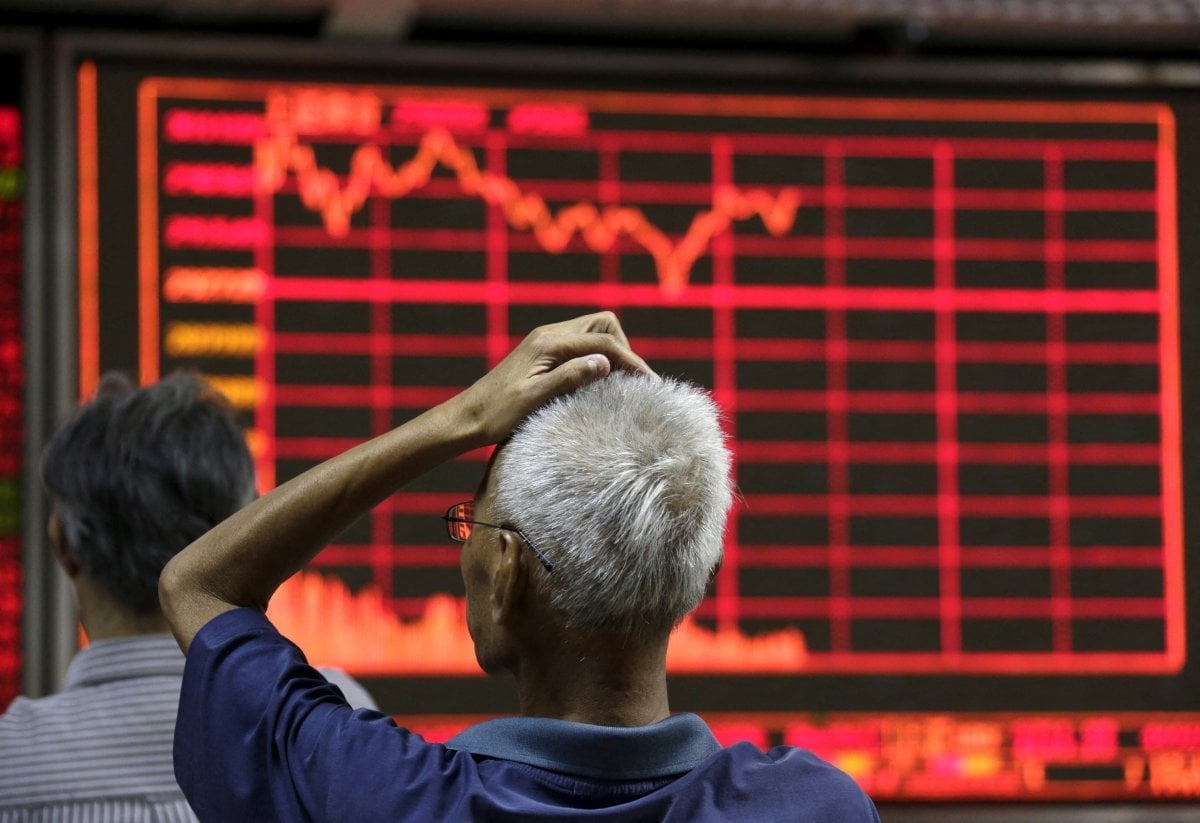
Indonesia's benchmark stock index has declined by 38% this year, making it one of the world's worst performers due to selloffs triggered by the warnings. Prajogo Pangestu, founder of petrochemical giant Barito Pacific, lost over 60% of his wealth, while Robert Budi Hartono, who controls the cigarette maker Djarum Group, saw his net worth fall by 31%.
Low Tuck Kwong, a Singapore-born coal billionaire, saw his fortune more than halve to around $10.5 billion. Instant noodles tycoon Anthoni Salim and Tahir of Mayapada Group both saw significant losses of $4.7 billion and $3.4 billion, respectively. The decline has erased all of the gains made by the tycoons before the year, with some groups wiping out all their wealth.
Sukanto Tanoto, the richest person in Indonesia with a net worth of $21 billion, also experienced a moderate $2 billion decline. He is not included in the tally as his fortune is largely tied to his privately held Royal Golden Eagle conglomerate, which operates in timber and palm oil. MSCI attributed the warnings to Indonesia's shareholder disclosure rules, which could obscure ownership of listed companies and raise concerns about market transparency and improper trading activities.
The index provider has been working with Indonesia to address these issues, but the country has not made enough progress to avoid a downgrade to frontier market status. The concerns have fueled fears of foreign capital flight and a potential reclassification to standalone-market status, leading to the steepest plunge in Indonesian stocks in nearly 30 years.
The Jakarta Composite Index has since recovered some ground due to measures introduced to calm the market, including the exclusion of stocks with high ownership concentration by any individual or entity, starting November 2. The market has until April 30, 2027, to address MSCI's concerns and avoid reclassification.
Written by urgent.news from VnExpress Business's reporting — not their text. Machine-written — may contain errors; check the original before relying on it.