Indonesia’s gas policy must deliver more than energy sovereignty
By choking off gas to Singapore to fuel the domestic industry, Jakarta is gambling that resource nationalism can build real economic muscle rather than simply leave stranded promises in its wake.
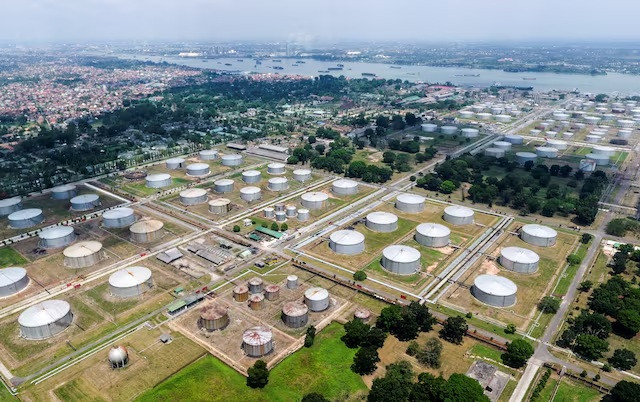
Indonesia's recent decision to reduce natural gas exports to Singapore marks a significant policy shift, raising questions about whether resource nationalism can translate into tangible economic growth. By curbing supplies by 31 billion British thermal units per day, primarily from Natuna and Sumatra, Jakarta aims to prioritize domestic demand, especially in the burgeoning petrochemical sector.
However, the success of this strategy hinges on the effectiveness of utilizing retained gas reserves to fuel industrial transformation.
Natural gas in Indonesia serves dual purposes: generating foreign exchange through exports and supporting manufacturing, fertilizer production, and petrochemicals domestically. While the government's priority for domestic consumption is understandable, the economic implications depend on how effectively the retained gas can be harnessed for industrial use.
In 2025, Indonesia exported 14.04 million tonnes of natural gas, a 9.4 percent decrease from the previous year, with Singapore importing 3.22 million tonnes, valued at about US$1.66 billion.
Despite possessing substantial gas reserves of 34.78 trillion cubic feet, Indonesia's ability to deliver affordable and reliable supplies to domestic manufacturers is under scrutiny. The Energy and Mineral Resources Ministry reported that gas utilization in 2025 reached 5,600 billion British thermal units, with 3,908 BBtud, or 69 percent, allocated to domestic needs and the remainder exported.
As Indonesia navigates this policy dilemma, the real test lies in whether the government's gamble on resource nationalism will yield tangible economic benefits or remain mere empty promises.
Written by urgent.news from The Jakarta Post's reporting — not their text. Machine-written — may contain errors; check the original before relying on it.