Indian media groups decry Modi’s privacy law in court, say newsrooms face shutdown risk
The Indian government's privacy law, which would require journalists to seek consent from people they write about, amounted to pre-censorship and could lead to newsrooms shutting down, media groups told the Supreme Court on Tuesday, starting the most high-profile challenge against the legislation.
India's media groups have brought a lawsuit against the country's privacy law, which would require journalists to obtain consent from individuals they write about, alleging that it amounts to pre-censorship and could lead to newsrooms shutting down. The case is the largest challenge against the legislation, which has been criticized for potentially stifling investigative journalism and allowing the government to identify journalists' sources.
The legal action was initiated by 21 major news publishers, including companies owned by billionaires Mukesh Ambani and Gautam Adani. Madhavi Goradia Divan, a lawyer representing the Digital News Publishers Association (DNPA), argued that the law would fundamentally change the concept of what constitutes news and that newsrooms would be forced to request permission before publishing. This pre-censorship could result in the closure of many news outlets, according to Divan.
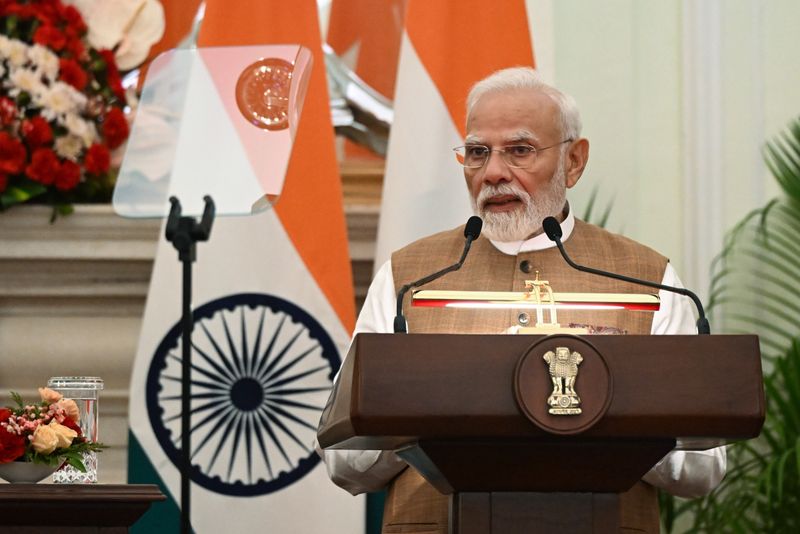
The lawsuit comes amid growing concerns about declining press freedom in India since Prime Minister Narendra Modi came to power in 2014. Critics argue that mainstream media outlets have not done enough to scrutinize Modi's government, which has denied such allegations and maintains that it respects press freedom.
Although media companies were reassured during an August meeting with the government that the law would protect press freedom, their confidence was shaken when they discovered the absence of a written carve-out for journalists, similar to provisions in the European Union, Singapore, and Britain. The DNPA, representing the majority of challenged media groups, demanded that most of the law's contentious provisions be struck down, citing potential consequences such as the forced deletion of stories and government demands for information that could expose reporters' sources.
The Supreme Court has scheduled the case for hearing next month.
Written by urgent.news from Daily Maverick's reporting — not their text. Machine-written — may contain errors; check the original before relying on it.