In Battle Over Auschwitz Watercolors, Roma Victims Are Getting Left Behind
As the legal dispute over the paintings’ ownership continues, no one seems to be asking: What were their names? Who may still be grieving their deaths? What decision would best honor them?
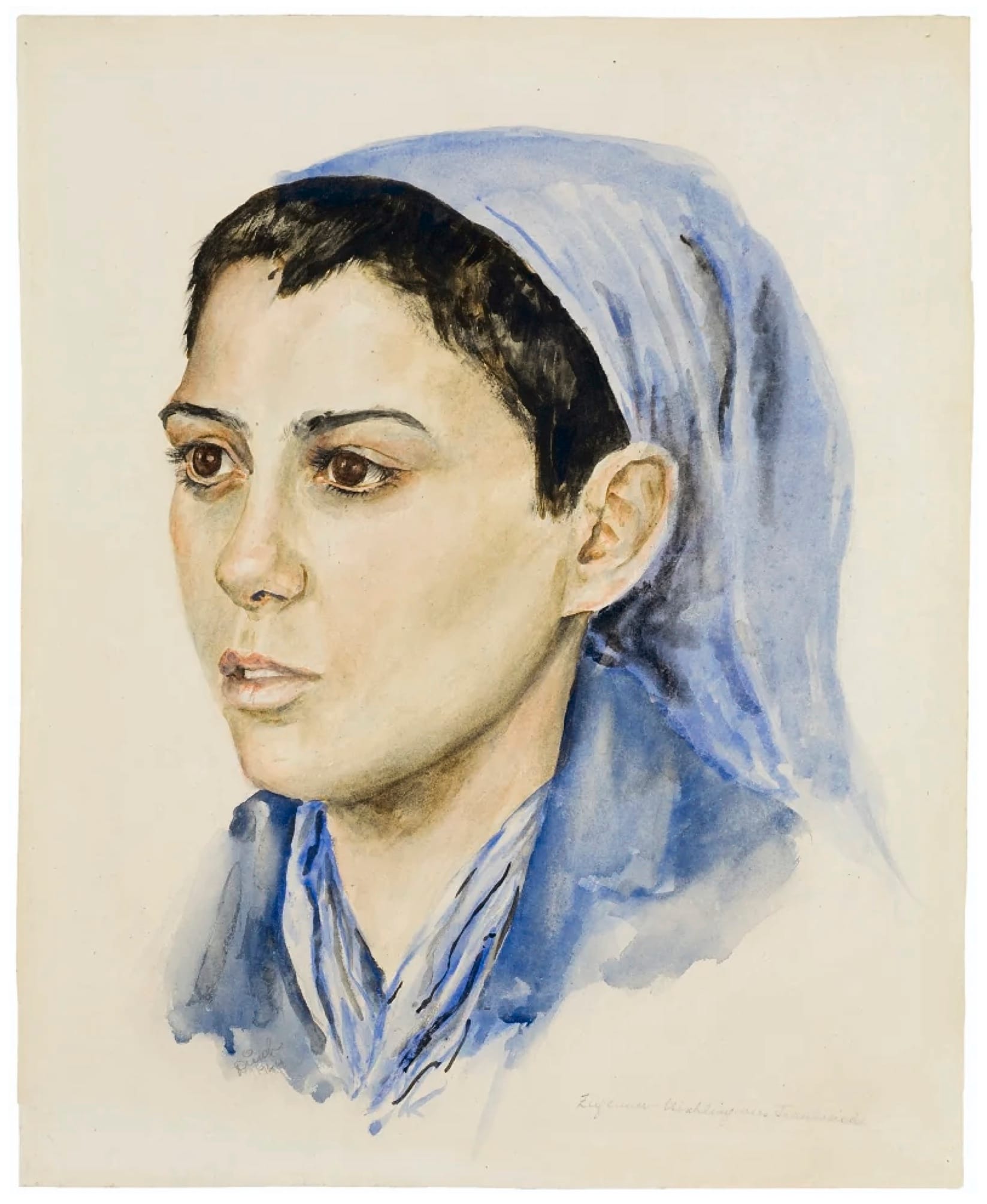
A long-standing ownership dispute over seven watercolors depicting Roma prisoners at Auschwitz has resurfaced, this time involving a California lawsuit initiated by the daughters of Holocaust survivor Dina Gottliebova Babbitt, 17 years after their mother's death. Dr. Josef Mengele, known as the "Angel of Death," instructed Babbitt to paint the physical traits of Roma prisoners as part of his pseudo-scientific experiments aimed at proving their racial inferiority.
The Roma individuals forced to pose for these portraits were later executed. The news coverage and discussions surrounding the ownership dispute have largely failed to address the rights and dignity of the Roma people who were depicted, killed, and forgotten.
The identities of the Roma prisoners in the watercolors, with the exception of one woman named Celine, remain unknown. Babbitt, who moved to the United States and pursued a successful career in animation, repeatedly sought to possess the watercolors until her death in 2009, often attempting to recreate the paintings from memory. As a Roma woman and scholar, the reporter acknowledges the necessity to engage with the broader implications of these watercolors, particularly the long-term impact on the Roma people.
The report highlights the lack of acknowledgment and restitution for the Roma victims of the Holocaust, who have been largely overlooked in coverage of the dispute. The article emphasizes that Roma victims have received little to no recognition or compensation for the trauma they endured. It further questions the lack of efforts to learn the names and stories of the Roma individuals depicted in Babbitt's paintings, with only one woman, Celine, identified in a 2006 interview with NPR.
The report criticizes the use of derogatory terms, such as "Gypsy faces," and calls for a more informed and respectful approach to discussing the Roma people and their history. The reporter underscores the harsh reality that Roma people continue to be marginalized, scapegoated, and economically and socially excluded, facing daily acts of discrimination and hostility.
The photographer hope that future exhibitions will delve deeper into the stories behind the watercolors and strive to honor both the artist and the subjects, ultimately restoring dignity to the Roma individuals whose lives were tragically cut short.
Written by urgent.news from Hyperallergic's reporting — not their text. Machine-written — may contain errors; check the original before relying on it.