I put the iPhone Duo vs. iPhone 18 Pro Max through a 10-round camera face-off — here’s the winner
I captured the same photos with the iPhone Duo and iPhone 18 Pro Max to see which is the better camera phone across various shooting categories.
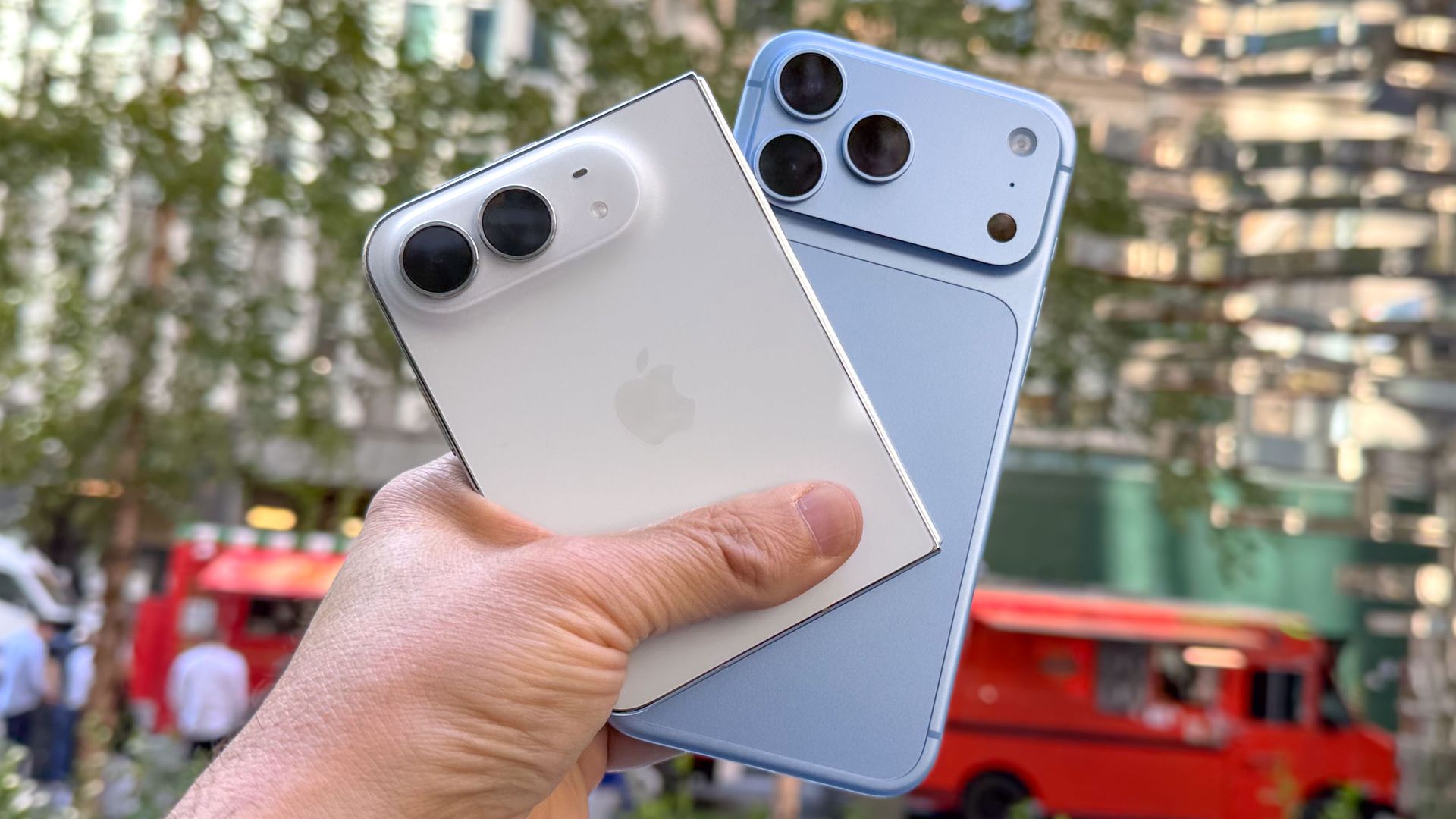
In a recent camera face-off between the iPhone Duo and iPhone 18 Pro Max, Apple's flagship phones demonstrated strong performance in various scenarios. Despite both devices sharing a 48MP main camera, the iPhone 18 Pro Max's superior ultrawide and portrait capabilities gave it an edge. Both phones excelled in daytime and ultrawide shots, with virtually indistinguishable results.
The iPhone 18 Pro Max also displayed better color reproduction, warmer tones, and improved dynamic range. However, the iPhone Duo managed to hold its own in macro and selfie categories, delivering stunning close-up shots and balanced skin tones. While the iPhone 18 Pro Max emerged as the overall winner, the iPhone Duo showed promising capabilities that could make it a formidable contender in the camera market.
Written by urgent.news from Tom's Guide's reporting — not their text. Machine-written — may contain errors; check the original before relying on it.