How Onalaja Used AI to Rebuild Its London Fashion Week Collection
After a fire destroyed more than a decade of her work, designer Kanyinsola Onalaja had just three months to prepare for her London Fashion Week debut. Here, she explains how Adobe Firefly sped up her design and sampling process while keeping her creative vision and the collection’s craftsmanship front and centre.
In 2026, the fashion industry continues to grapple with the integration of generative AI. While some brands face backlash for using AI-generated imagery, adoption is rapidly increasing. According to The Business of Fashion and McKinsey & Co.'s The State of Fashion 2026, automation and generative AI could increase productivity by over 30 percent in the next five years.
Over the past five years, 17 AI-powered fashion startups have secured more than $400 million in funding. The industry's sentiment towards AI is generally positive, with 53 percent of fashion workers and 61 percent of beauty workers viewing the growing use of AI positively, though most have not yet experienced significant transformations in their daily workflows.
Independent designers, however, are more cautious about incorporating AI into their creative processes. Many smaller brands use AI for back-office tasks but avoid using it for design to prevent any potential impact on creativity. Nevertheless, creatives like makeup artist and beauty founder Isamaya Ffrench argue that learning to use AI tools effectively will not hinder their artistic abilities.
For Kanyinsola Onalaja, founder and creative director of her eponymous brand, the debate about AI became a stark reality when a fire destroyed her London studio three months before her debut at London Fashion Week. The loss of over a decade's worth of archives, samples, fabrics, and bespoke orders left the brand uninsured and in need of immediate rebuilding.
With a team of five, Onalaja and her team turned to Adobe Firefly, a suite of generative AI tools designed to help creators explore ideas, iterate, and bring their vision to life.
Using Adobe Firefly's Firefly Boards, the team was able to virtually test prints, fabrics, and embellishments before committing to physical samples, streamlining the design process. The technology also helped translate sketches into more detailed briefs for artisans working across Nigeria, India, China, and the UK. This approach aligns with Onalaja's ethos of producing only what has been commissioned, ensuring that every piece is handcrafted by skilled artisans.
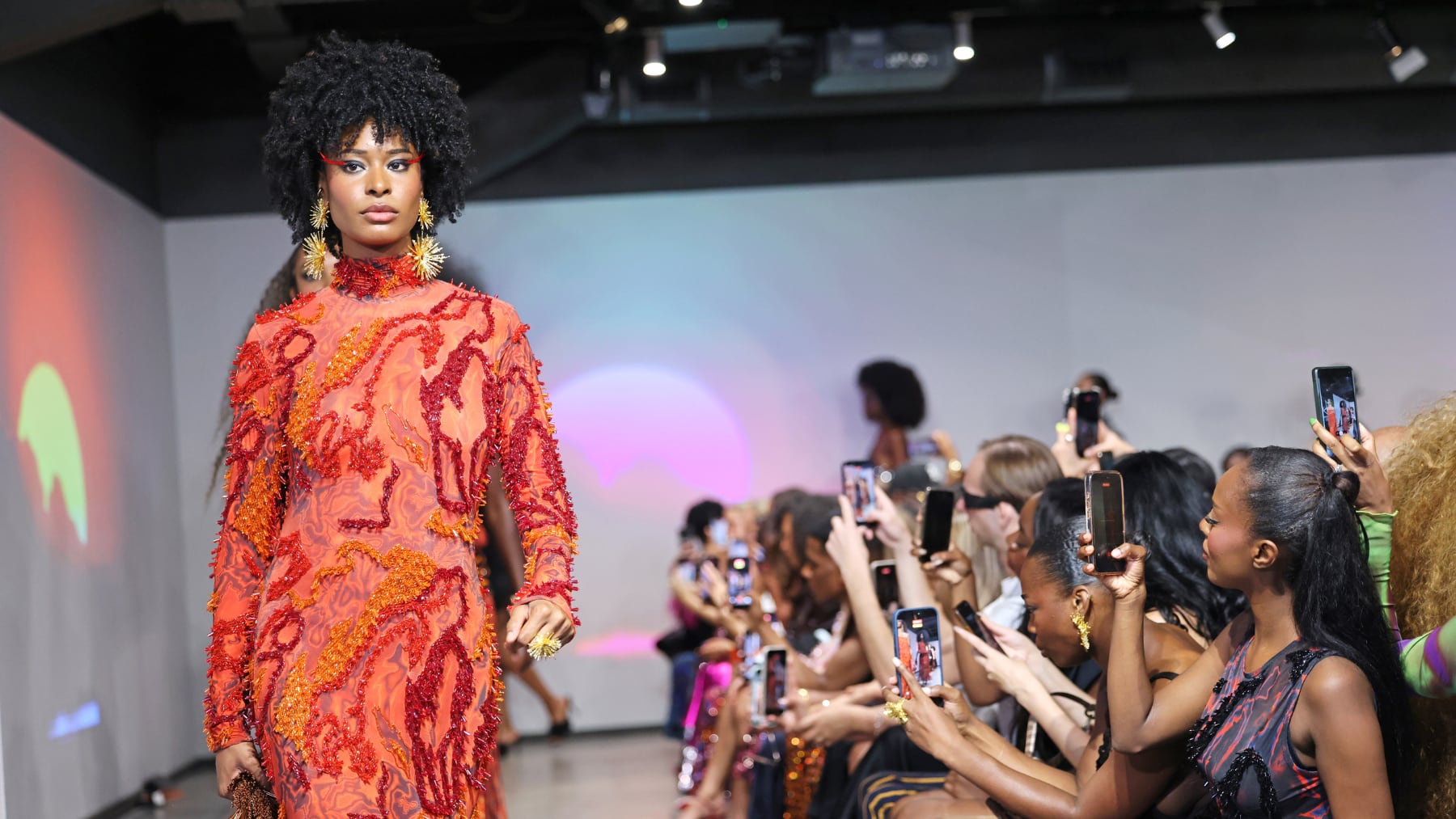
The collection, "Rising From the Ashes," was unveiled on September 20, amidst a season critics hailed as London's strongest fashion lineup in years. Onalaja recently discussed her rebuilding process and the role of technology in the fashion industry with Adobe, revealing how Firefly became an essential tool in her recovery and design process.
Written by urgent.news from Business of Fashion's reporting — not their text. Machine-written — may contain errors; check the original before relying on it.