How much will data centers increase your electric bill?
One of the biggest reasons most Americans don’t want a data center built nearby is that they worry it will drive up their utility bills. But whether those bills rise, and by how much, depends on the local power grid and the terms of the deal. In fact, the impacts have at times been counterintuitive, with new data centers in some cases actually driving down utility bills for other customers on the…
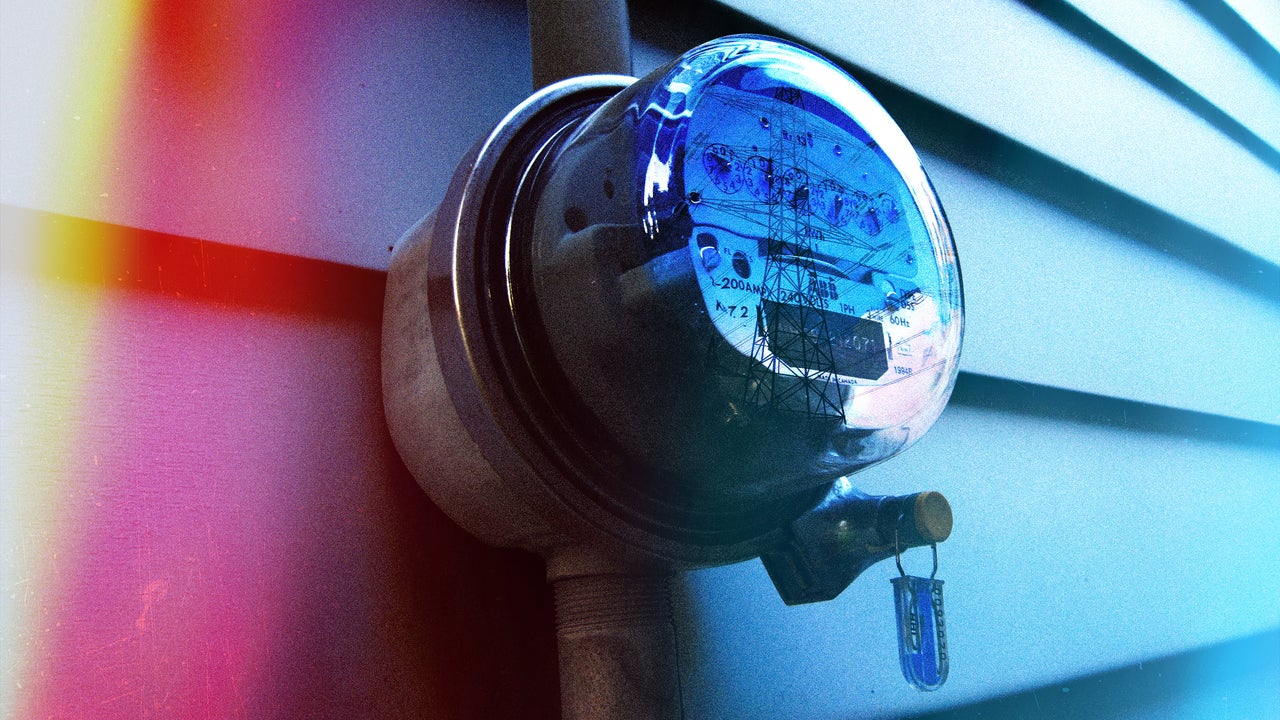
Data centers have long been a concern for Americans who worry about higher utility bills if one is built nearby. However, the actual impact on electricity costs is influenced by local power grids and the terms of the agreement between the data center and the utility. In some cases, new data centers have even decreased utility bills for other customers on the same grid.
The Lawrence Berkeley National Laboratory and Brattle Group studied North Dakota, where increased electricity demand from large customers, including data centers, helped lower bills between 2019 and 2024. This was due to the state's abundant supply of electricity, including wind power, and utilities spreading their existing costs across more customers, which brought bills down.
To understand how data centers affect electricity costs, researchers at the University of Pennsylvania's Wharton School and Harvard Business School compared electricity bills in areas with new data centers to those without. They found that new data centers had a relatively small impact on residential bills on average, just 4% of the total observed increase. The impact varied depending on location and the type of data center, with colocation data centers having more impact than hyperscale data centers.
However, the risk of a grid stretched to its limits could lead to higher energy bills in the future. A new report from the Energy Systems Integration Group (ESIG) analyzed factors that could influence the outcome of a hypothetical new data center. The report suggests that in some places, there may still be enough extra power infrastructure on the grid to lower costs by 0.88 cents per kilowatt-hour.
But as demand for electricity grows, those places might not last long, and the grid might need the extra capacity for other new uses.
Several factors could push electricity bills higher, such as data centers overestimating their electricity needs, leading to unnecessary infrastructure built and other ratepayers covering the bill. If data centers are built late or shut down earlier than expected, other ratepayers will still have to bear the cost of new infrastructure. Moreover, relying on fossil fuels for new energy generation could add $29.7 billion annually to customer bills by 2030, while clean energy could save around $5 billion annually.
Written by urgent.news from Fast Company's reporting — not their text. Machine-written — may contain errors; check the original before relying on it.