How cooking changes egg protein: What happens to its nutritional value when heated
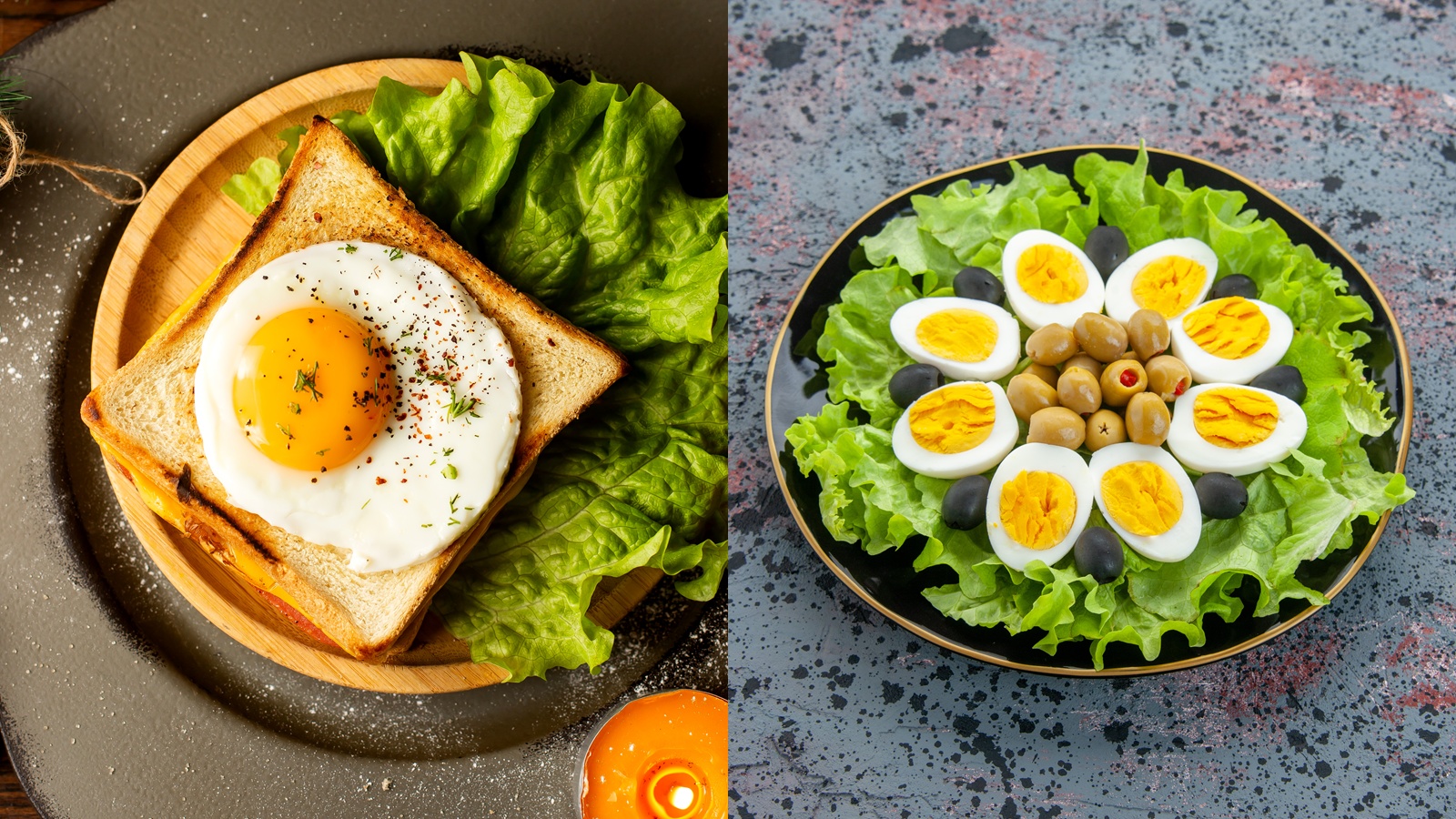
Eggs are a widely available and low-cost source of high-quality protein, suitable for various cooking methods such as boiling, poaching, scrambling, or frying. Despite differing opinions on the best cooking technique, the protein content in eggs remains consistent across these methods, averaging around 6.3g per large egg. The primary variation stems from additional ingredients like milk or oil used during cooking, not the cooking process itself.
Scientifically, heat does not eliminate or modify the protein amount; it merely alters the protein structure through a process called denaturing. Regardless of whether one opts for boiled, poached, scrambled, or fried eggs (excluding added cheese or butter), the protein quantity remains virtually identical.
Moreover, cooking significantly enhances protein bioavailability, meaning the body can absorb more protein after cooking. This improvement is attributed to the unfolding (denaturing) of proteins, which facilitates their breakdown by digestive enzymes. While methods involving high temperatures and prolonged cooking can marginally degrade specific amino acids in egg protein, this effect is minimal under typical home cooking conditions.
According to Kanikka Malhotra, a consultant dietitian and diabetes educator, excessive heat or extended cooking times may slightly degrade certain amino acids, but this impact is negligible in everyday cooking scenarios. Denaturing proteins through cooking actually enhances digestibility and absorption. Malhotra emphasizes that boiling, poaching, or light scrambling are safe and effective techniques for maximizing usable protein while minimizing the risk of bacterial contamination.
Written by urgent.news from The Indian Express's reporting — not their text. Machine-written — may contain errors; check the original before relying on it.
This story
This is one outlet's version. Read the fullest account.