Higher tariffs on Canadian imports would be ’catastrophic,’ Honda exec says
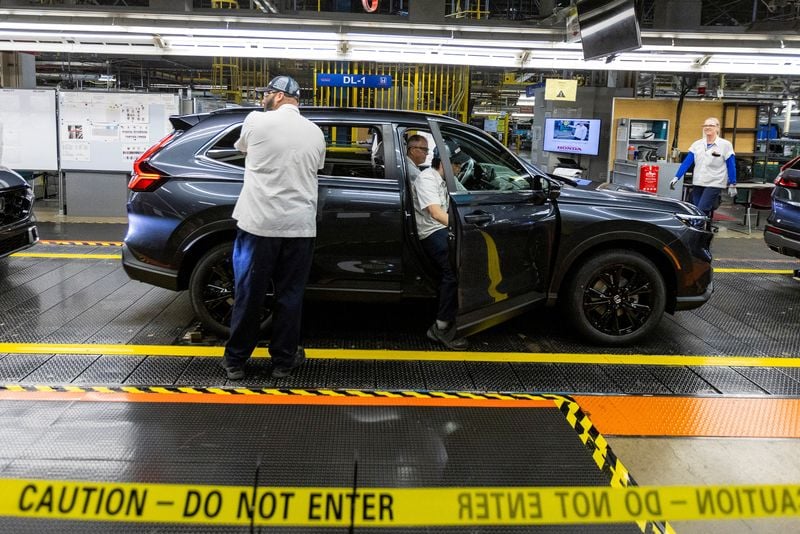
DETROIT, October 27 - A forthcoming rise in US tariffs on steel and automotive imports from Canada, set to commence on January 1, would spell "catastrophic" consequences for the industry, according to Honda Motor's head of public affairs, Jennifer Thomas. The global automakers are keenly observing negotiations between the US, Mexico, and Canada, with the hope that these nations will extend a longstanding trade agreement.
The auto sectors of these three countries are deeply interlinked, and the imposition of higher tariffs could escalate expenses and impact the sites where companies like Honda construct new manufacturing facilities.
Thomas, speaking at the Reuters Automotive USA conference in Detroit, emphasized the importance of the trilateral agreement for the US industry's competitiveness. The auto sector has been contending with tariffs since the beginning of 2025, when President Donald Trump's administration introduced varying tariff rates on imports from several countries, including Mexico and Canada.
"I am cautiously optimistic that reason will prevail, and we will prevent that January 1 doubling of tariffs, as that would be catastrophic for the entire industry," Thomas stated.
The US and Canada are currently working on an accord to reduce US tariffs on Canadian steel and vehicles, Reuters reported on Monday. These talks center around tariffs imposed under Section 232 of US trade law, encompassing a potential tariff of up to 50% on Canadian steel and a 25% tariff on vehicles, with negotiators deliberating possible exemptions from these duties.
Unlike trade pacts with the EU, Japan, or South Korea, the agreement between Mexico, Canada, and the US entails specific North American content prerequisites, known as rules of origin.
In the negotiations with Mexico, the US has insisted that all North American-made vehicles include 50% US-specific content, a requirement that would increase regional content obligations to 82% to qualify for US benefits, sources familiar with the discussions have disclosed. Vehicles assembled in Mexico and Canada would likely still incur some level of tariffs, as US Trade Representative Jamie Greer has stated.
Thomas, along with other auto executives, contended that rules-of-origin stipulations are absent in other trade agreements. "Currently, North America holds an unfair disadvantage," Thomas remarked. In August, Honda announced its potential decision not to build an eighth assembly plant in North America unless the trade pact among the three countries is extended.
"We are operating at capacity, and we are considering all available options. Ultimately, we will persist in investing in the US," Thomas affirmed.
Written by urgent.news from Investing.com's reporting — not their text. Machine-written — may contain errors; check the original before relying on it.