Five things I'm asked about dwarfism, and my honest responses
To improve acceptance and an understanding of this physical condition, here are five of the most common questions I'm asked — with my honest answers.
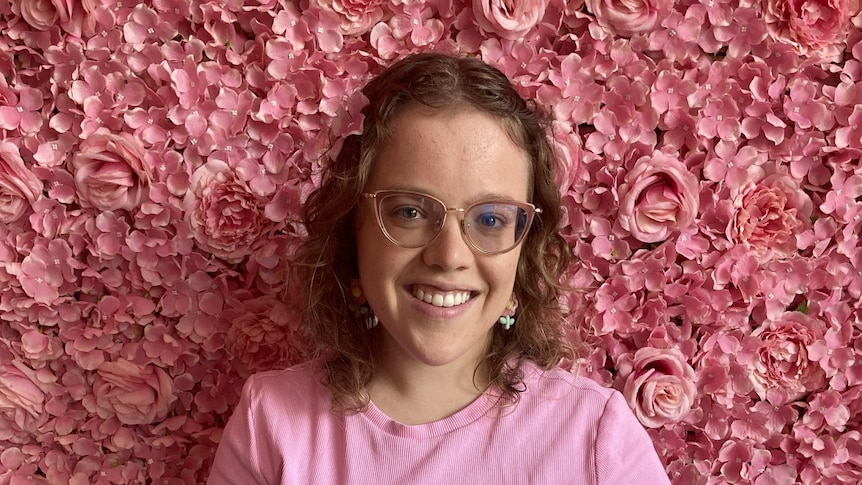
Dwarfism Awareness Month is observed each October to raise awareness about individuals with dwarfism. People often ask the same questions or may hesitate to ask out of fear of offending the person. Here are five common questions and honest answers.
The first question frequently asked is about the cause of dwarfism. The reporter was born with hypochondroplasia, which is the second most common form of dwarfism. Most people with dwarfism are born to average-height parents, so it's not always the case that both parents have the condition.
As a child, the reporter often wished their parents had answers to questions like how they would drive a car. They had to remind themselves that parents and children learn together. When children see someone with dwarfism, they may point them out or ask questions, which can be awkward and uncomfortable for the person. It's better for parents to use these moments as an opportunity to educate their children about differences and encourage understanding.
The reporter prefers to be referred to as a person of short stature or short-statured, rather than using the term "dwarf." The term "midget" is offensive as it has historical ties to exploitation in 19th-century freak shows. If unsure, it's okay to ask politely how a person prefers to be identified.
Living with dwarfism has its challenges, but the reporter leads a fulfilling life, working multiple jobs, studying at university, training at the gym, competing in para sports, reading, writing novels, and spending time with loved ones. A simple "hello" can make a big difference in promoting understanding and respect.
Written by urgent.news from ABC News AU's reporting — not their text. Machine-written — may contain errors; check the original before relying on it.