Five Colombian Myths and Legends: From La Llorona to El Dorado
Colombia’s mythology blends indigenous, African, and European traditions, resulting in an incredible wealth of myths and legends over the centuries. These mythical tales have been passed down through generations, captivating the imaginations of Colombians and offering insights into the nation’s cultural heritage. Colombian myths are a tapestry woven with cultures, creating a rich and diverse […]
Colombia's mythology is a fascinating blend of indigenous, African, and European traditions, resulting in a rich tapestry of myths and legends that have captivated generations. These stories serve not only as entertainment but also as cultural artifacts, reflecting the diverse heritage of the Colombian people. Across the country, tales of mythical beings and extraordinary events continue to be shared, offering a window into the nation's past and values.
El Hombre Caiman, or the Alligator Man, is one such legend. This chilling story originates from the Magdalena River basin and tells of a man named Saúl Montenegro, who tried to transform himself into an alligator to spy on women bathing. His attempt was thwarted by a priest, who turned him permanently into an alligator. This myth, now celebrated annually at the Festival del Hombre Caiman, serves as a cautionary tale about the consequences of defying fate and the deep connection between humans and nature.
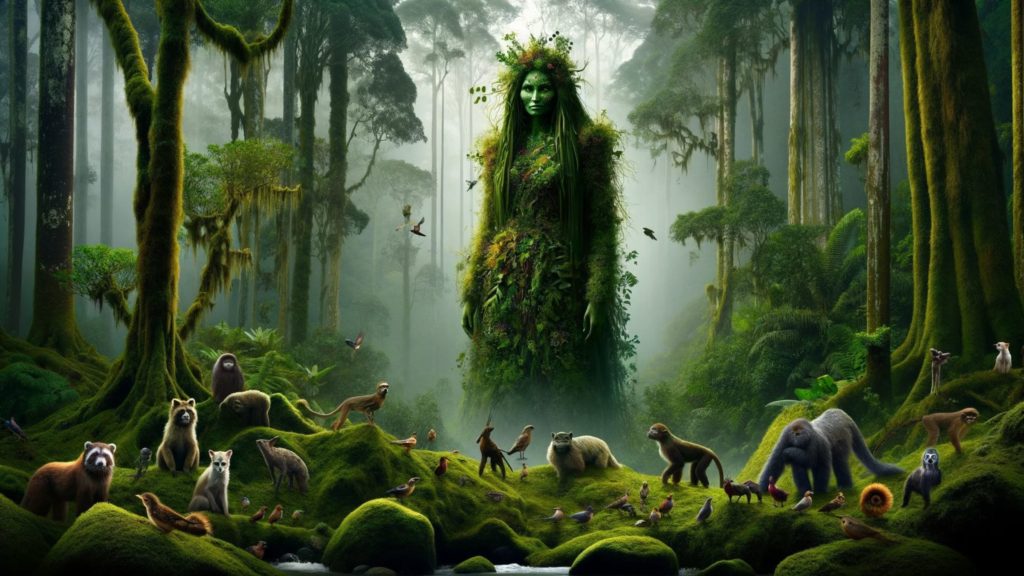
Another prominent figure in Colombian folklore is La Madremonte, or the Mountain Mother. She is a protective spirit residing in the lush rainforests of Colombia, often depicted as a woman with hair like leaves. La Madremonte is said to punish those who exploit nature, particularly hunters and loggers. She is also known to protect the forest and its inhabitants, unsettling those who venture into the woods with malicious intent. Her presence is a reminder of the importance of respecting and preserving the natural world.
El Mohan, the Guardian of the Rivers, is another intriguing character in Colombian mythology. This mischievous creature can shapeshift, often appearing as a short, stocky man. He delights in playing tricks on unsuspecting travelers but also serves as a protector of the rivers and their ecosystems. Locals offer food and aguardiente to El Mohan to ensure safe passage on the waterways, a testament to the cultural significance of Colombia's rivers.
La Llorona, the Weeping Woman, is a well-known figure in Colombian mythology, similar to her counterparts in other Latin American countries. She is the spirit of a woman with long hair and a white dress, who weeps near bodies of water, searching for her lost children. Her mournful cries are said to echo through the night, serving as a chilling warning to children to heed their parents' advice and avoid dangerous waters.
Finally, the legend of El Dorado, the Gilded One, continues to captivate the imagination. This legendary figure is said to have covered himself in gold dust and made offerings to the gods in exchange for the favor of the spirits. While the true story behind El Dorado remains elusive, it has become a symbol of wealth and the allure of the unknown, inspiring countless explorers and adventurers throughout history.
Written by urgent.news from Colombia One's reporting — not their text. Machine-written — may contain errors; check the original before relying on it.