Fields Medal-winning UC Berkeley professor ends graded homework due to AI cheating
Award-winning mathematician Richard Brocherds says that it's a waste of time and money to grade AI answers, so he now only uses in-person exams to see how well his students are doing in his classes.

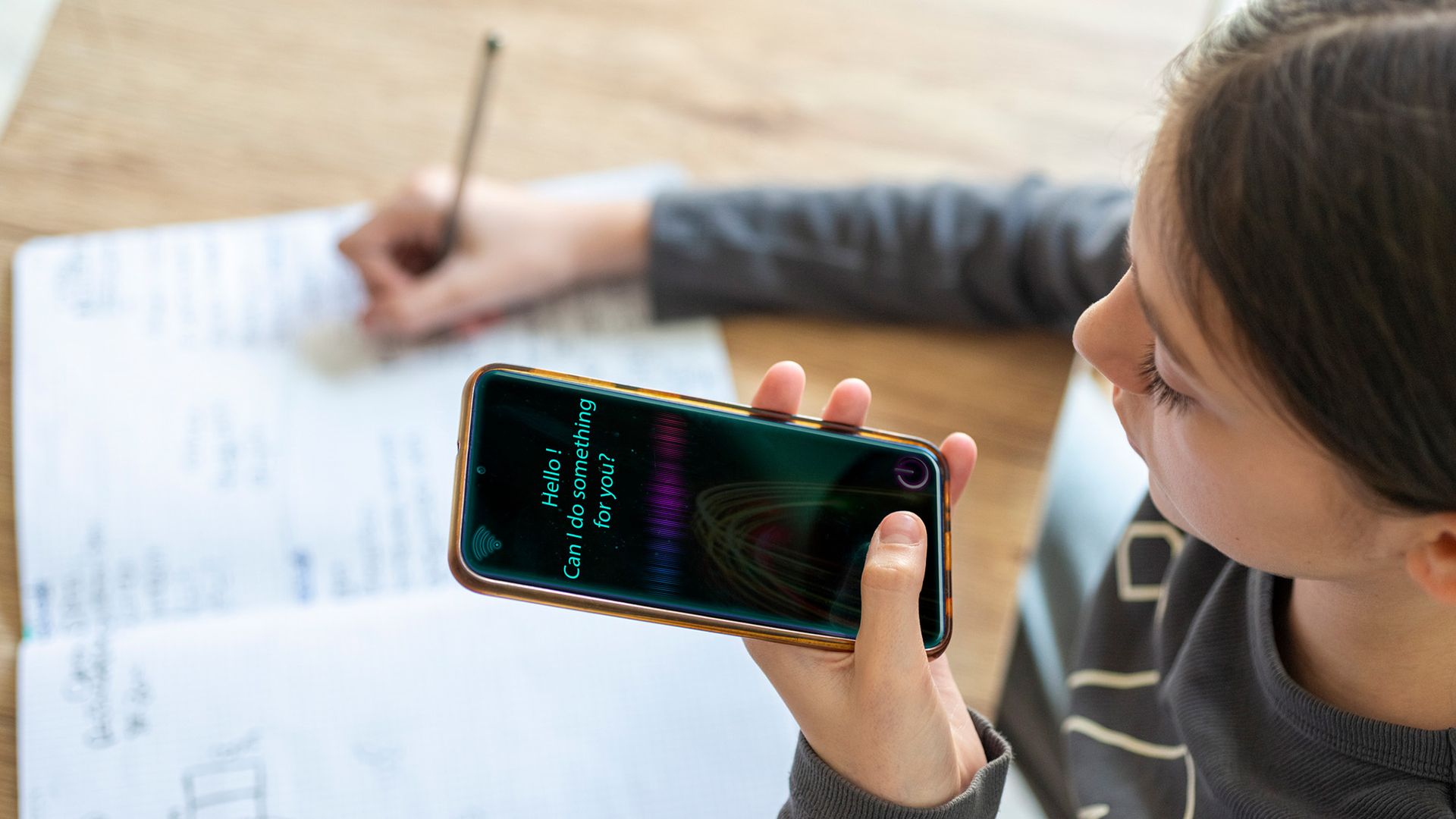
Richard Borcherds, a Fields Medal-winning professor at the University of California, Berkeley, has decided to halt the grading of his students' homework assignments due to the prevalence of artificial intelligence usage. According to the New York Post, the mathematician contends that it is now virtually impossible to distinguish between work done by students and submissions generated by AI.
As a result, Borcherds now primarily relies on in-person exams without electronic devices to evaluate his students' progress. He explains that online exams are now "a waste of time" as many students simply utilize AI to answer questions, which inflates the average scores significantly. Grading homework for correctness only serves to incentivize students to use AI for their assignments, he argues, rather than completing them independently.
Additionally, paying to grade AI-generated answers is a wasteful use of time and resources. The issue of AI cheating emerged after OpenAI launched its widely-used language model, GPT-3.5, in November 2022. While earlier versions of AI were easily identifiable in written work, recent advancements have made it exceedingly difficult to detect AI involvement.
Studies have shown that students often perform better on online exams, but there is insufficient evidence to conclusively prove that AI was used in these instances. However, the disparity in scores is substantial enough to suggest that unmonitored online exams do not accurately reflect a student's actual learning. Another Brown University professor observed a similar trend when his students scored an average of 96% on take-home midterms, a stark contrast to the historical average of 65% to 80%.
Consequently, he opted to administer his final exams in person, resulting in only two students scoring within 10% of their midterm grades, with only one surpassing their performance. Despite the challenges posed by AI, not all tools are equally conducive to cheating. Cursor AI, for example, discourages students from asking it to generate code, but the abundance of AI tools makes it nearly impossible to prevent students from employing AI assistance.
UC Berkeley has explored AI-detection software to combat the issue but ultimately found it unreliable. Consequently, the university has granted professors autonomy over their AI policies, provided they clearly communicate these rules in the course syllabi. Borcherds remains optimistic about the impact of AI on grading, stating that if the only consequence is making it more challenging for teachers to grade student assignments, he would be "very relieved."
Written by urgent.news from Tom's Hardware's reporting — not their text. Machine-written — may contain errors; check the original before relying on it.
This story
This is one outlet's version. Read the fullest account.