Existing water shortages raise alarm as El Niño threatens a hotter, drier summer
Water crisis leaves thousands of communities vulnerable ahead of El Niño
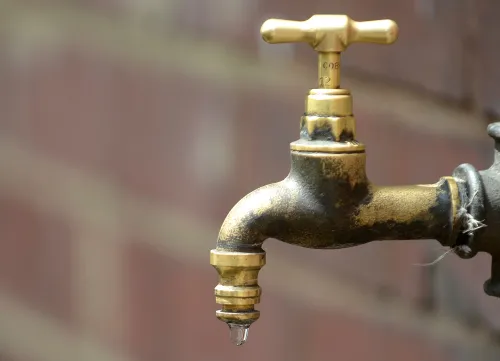
South Africa anticipates a challenging summer as a combination of El Niño, rising temperatures and below-normal rainfall threatens water supplies. The South African Weather Service predicts below-normal rainfall and above-normal temperatures across much of the country from October to December 2026, with Gauteng currently experiencing a heatwave.
This coincides with deep-rooted weaknesses in water-service delivery, raising concerns about whether municipalities possess the necessary infrastructure, technical expertise and contingency plans to handle the increased pressure on their resources. Dr Lester Goldman, CEO of the Water Institute of Southern Africa, emphasizes the urgency of assessing the country's preparedness, stating that climate forecasts are only meaningful if translated into decisive actions.
Although El Niño does not guarantee drought across all regions, the forecast underscores the necessity for authorities to prepare for various scenarios, especially in areas already grappling with strained water systems. Goldman highlights that resilience requires more than merely having contingency plans; it demands experts capable of evaluating risks, coordinating across sectors, and assisting decision-makers in understanding the practical implications of those risks.
The situation is compounded by a broader national water crisis, which extends beyond resource availability to the municipalities' capacity to deliver safe, reliable supplies. The National Water Action Plan identifies widespread shortcomings in municipal water services, such as deteriorating infrastructure, significant water losses, and inadequate maintenance.
It reports that 74% of Water Services Authorities scored poor or critical in drinking-water and/or wastewater assessments, with an average non-revenue water of 47%, surpassing the 25% benchmark. Furthermore, 2,688 unserved communities lack formal potable-water infrastructure, with the Department of Water and Sanitation's 2023 Blue Drop assessment revealing that 277 out of 958 assessed water supply systems were in a critical state of performance.
Finance Minister Enoch Godongwana acknowledges El Niño's potential impact on the domestic economy, warning that it could influence production costs and output. He emphasizes the need for improved operational performance, stronger governance and technical capacity, reduced water losses, and reforms to water infrastructure financing.
The human impact of water-service failures is already apparent, with the South African Human Rights Commission and the University of the Witwatersrand launching the Water Rights Tracker, a five-year research project assessing the realization of the right to water nationwide. Reports indicate that more than 400 individuals experienced gastrointestinal illness due to contaminated water in Bronkhorstspruit, underscoring the dire consequences of poor water quality.
SAHRC Commissioner Dr Henk Boshoff stresses that the water crisis affects lives and livelihoods, calling for immediate action to address the crisis. Prof Tracy-Lynn Field, chair in Earth Justice and Stewardship, stresses that access to sufficient water is a constitutional right and that the Water Rights Tracker can help identify failures and ensure accountability.
Goldman emphasizes that while South Africa cannot control the climate, it can enhance its response capabilities by investing in professional competence, evidence-based planning, and collaboration to manage water risks effectively.
Written by urgent.news from IOL's reporting — not their text. Machine-written — may contain errors; check the original before relying on it.