Duty Cut Not Warranted On Gold, Pulses And Edible Oil Imports
Traders of three different commodity groups representing gold, pulses and edible oils are currently lobbying the government for a reduction or abolition of import duty. New Delhi should not succumb to lobby pressure, as there is no merit in their demand. Let’s see how. Gold: No Justification For Duty Cut In May this year, the government raised customs duty on gold from 6% to 15%, comprising 10%…
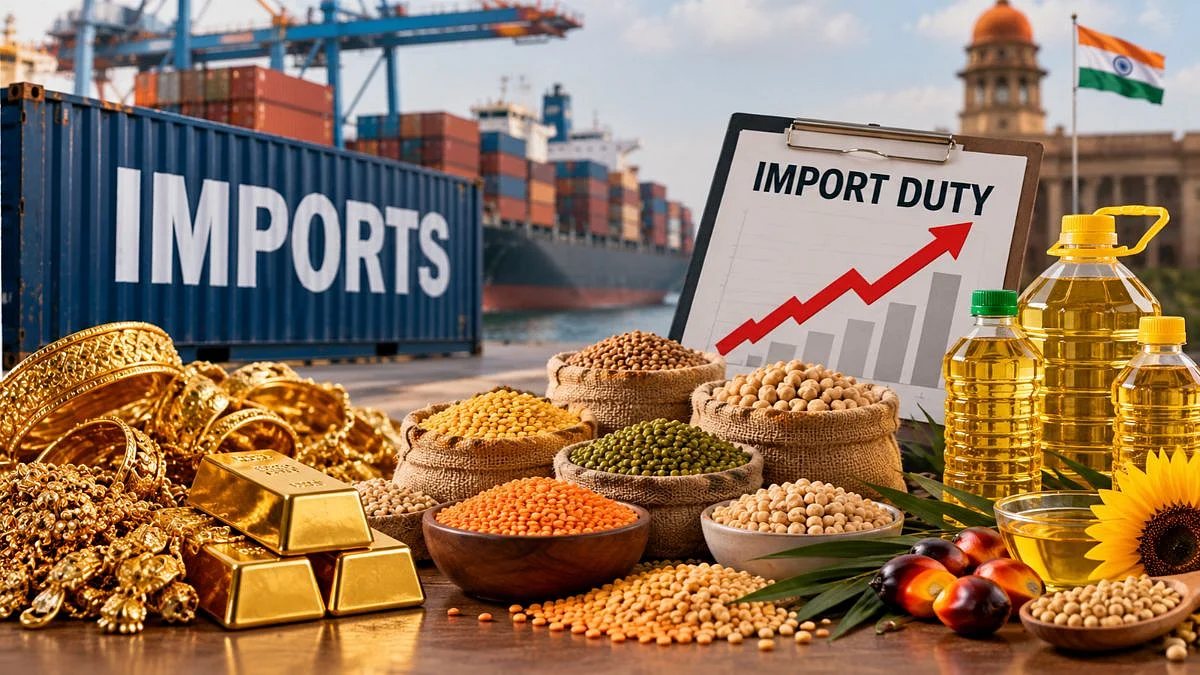
Traders of gold, pulses and edible oils are urging the government to cut or remove import duties, but the government should resist these demands. The duty hike on gold was necessary due to a widening trade deficit and a depreciating rupee. Reports of smuggling have surfaced, but gold smuggling has become difficult due to improved border control and technology.
Gold sales have actually decreased due to high prices and a weak currency. Lower rural incomes and a preference for silver also affect gold demand. The government has already liberalized silver imports. There's no need to reverse the gold duty hike when physical demand is weak. For pulses, harvest assessments are needed before making any duty decisions.
Kharif 2026-27 pulse production is expected to be below target. Duty-free imports of certain pulses are already allowed. The government may extend this policy. Duty reductions for lentil, yellow pea, and chickpea are premature, as harvests are ongoing. El Niño conditions could affect Rabi crops, but a duty reduction demand at this time is premature.
For vegetable oils, the focus should be on refined imports rather than crude oils. Basic customs duty on refined oils can be slashed to encourage distribution and contain inflation. The government should make data-driven decisions on imports. Monitoring and regulation are crucial for effective policy.
Written by urgent.news from Free Press Journal's reporting — not their text. Machine-written — may contain errors; check the original before relying on it.