Does ethnicity affect the type of breast cancer you develop and how easily it's detected?
Asian women tend to have denser breasts, which can make cancer harder to detect. Studies also show that certain breast cancer types are more common among some ethnic groups in Singapore. But doctors say ethnicity alone doesn't determine how the disease behaves.
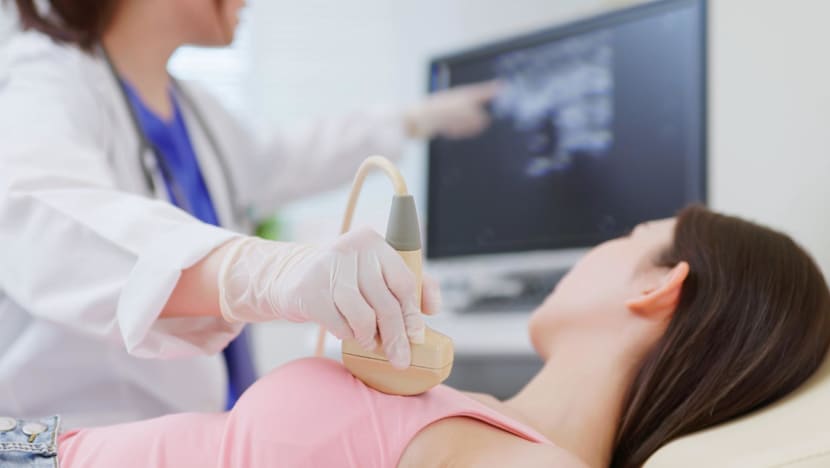
Asian women have denser breasts, which can make it harder to detect breast cancer. Different types of breast cancer are more common in certain ethnic groups in Singapore. However, ethnicity alone does not determine how the disease behaves. Researchers in Singapore have found differences in certain breast cancer characteristics among Chinese, Malay and Indian women.
Breast cancer is classified in different ways, describing where it originates in the breast and its biological behavior. Invasive ductal carcinoma (IDC) accounts for 70-80% of invasive breast cancers worldwide, regardless of ethnicity. HER2-positive breast cancer, a molecular subtype with increased HER2 activity, is more common in Asian women (19%) than in Caucasian women (14%).
The treatment for HER2-positive breast cancer has improved with targeted therapy. Breast cancer patterns can vary between populations, with Chinese women having a higher proportion of hormone receptor-positive breast cancers and Malay and Indian women having a higher proportion of triple-negative breast cancers. However, treatment decisions are based on the characteristics of the individual tumor, not the patient's ethnicity.
Factors such as genetics, reproductive history, lifestyle, and environmental influences influence breast cancer risk and tumour biology. Breast density, prevalent in both Asian and Western women, can impact breast cancer diagnosis as both dense tissue and tumors appear white on mammograms. Advanced 3D mammography can help detect breast cancers more effectively in women with dense breast tissue.
Breast cancer is primarily a disease of older women, but it is increasingly being diagnosed in younger women in Singapore.
Written by urgent.news from CNA - Singapore's reporting — not their text. Machine-written — may contain errors; check the original before relying on it.