Dell sees AI agent guardrails as a path to greater autonomy
As enterprises put AI agents to work, they face a challenge: How can they give those systems more autonomy while keeping AI agent guardrails in place? Security and resilience are becoming central considerations as enterprises decide which tasks to delegate to AI agents. Those decisions extend beyond individual actions to the data protection and cyber […] The post Dell sees AI agent guardrails as…
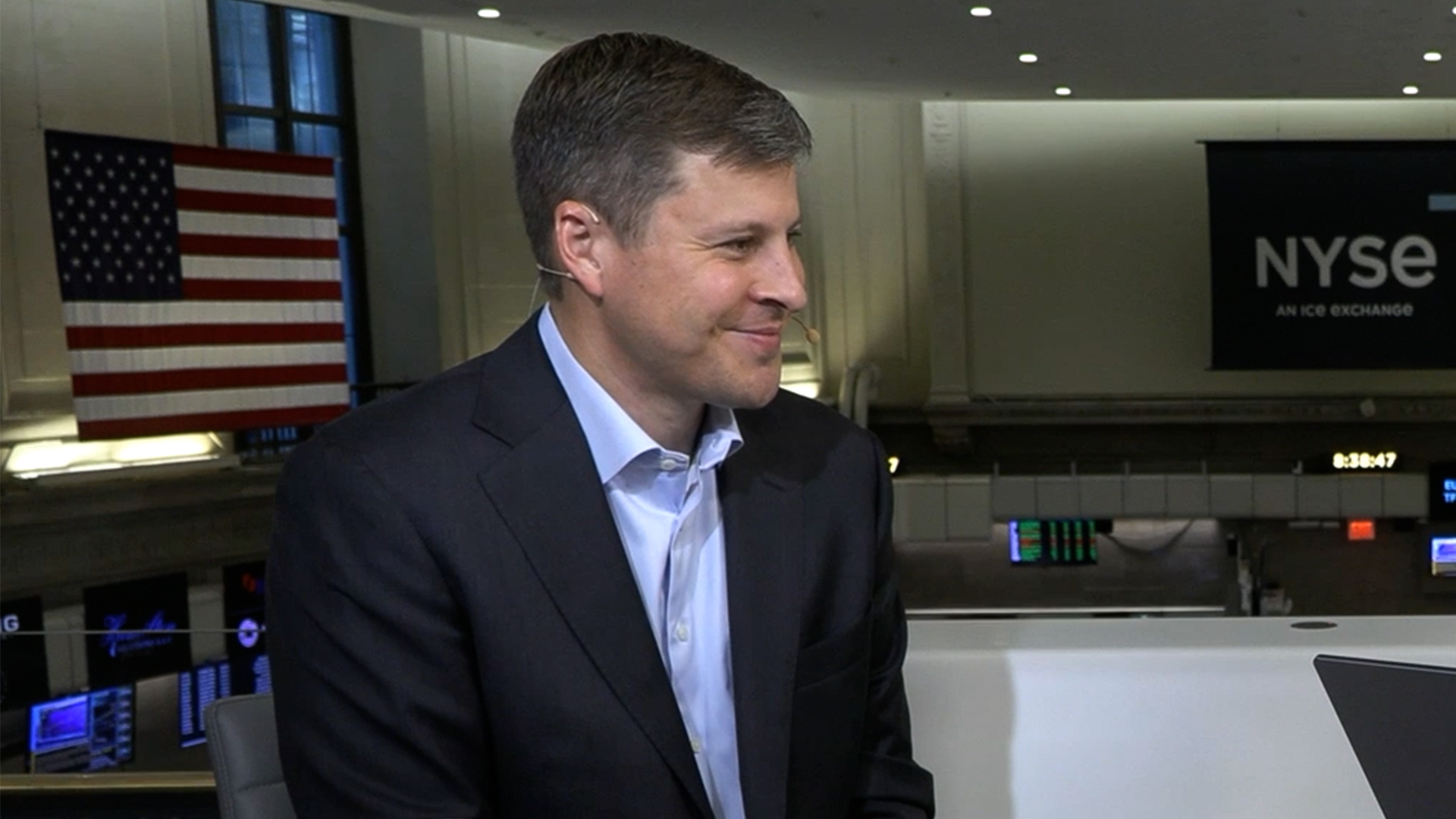
Enterprise leaders are grappling with how to grant AI agents increased autonomy while maintaining security and resilience safeguards, according to John Scimone, president and chief security officer of Dell Technologies. Scimone emphasized that security and resilience concerns are becoming increasingly central in decisions about which tasks to delegate to AI agents, extending beyond individual actions to data protection and cyber resilience capabilities that support the business.
Scimone explained that the best time to implement security and resilience measures is during the design phase of AI agents, as they are expected to operate for years to come. He highlighted that cyber resilience has replaced traditional disaster recovery, with a widespread cyberattack across an entire digital ecosystem posing a more likely scenario today.
Scimone cautioned that enterprises must carefully consider the implications of AI agents' dependencies, as their work stops when the software does. He stressed the importance of resilience planning to address potential disruptions, such as unavailability of agents or unavailable data needed for decision-making. Companies are cautious about allowing agents to perform high-risk actions without human approval, with only 19 out of 25 enterprise technology and security leaders surveyed having autonomous agents in production.
Dell takes a disciplined approach to AI agent management, implementing tight identity and access control, extensive logging, and traceability of decisions and actions for every agent. Scimone noted that only four of the 25 survey respondents had tested an AI agent incident scenario, and Dell has expanded its cyber resilience tools and joined OpenAI Group PBC's call for collective action on cyber defense.
The survey revealed that organizations granting agents bounded autonomy demonstrated stronger recovery readiness compared to those relying solely on human approval. Scimone argued that upfront design of AI agent guardrails allows companies to move quickly and take more risk confidently, without overstepping. He concluded that organizations that invest in robust guardrails will be better positioned to leverage AI agents effectively while maintaining a strong security posture.
Written by urgent.news from SiliconANGLE's reporting — not their text. Machine-written — may contain errors; check the original before relying on it.