Could tomato paste help your brain? A three-month trial points to modest gains in attention and memory
Tomatoes are the main dietary source of lycopene, a red pigment that can reach the brain. In a new trial, daily tomato paste was linked to better attention and memory scores, along with preliminary changes in how certain brain networks communicate.
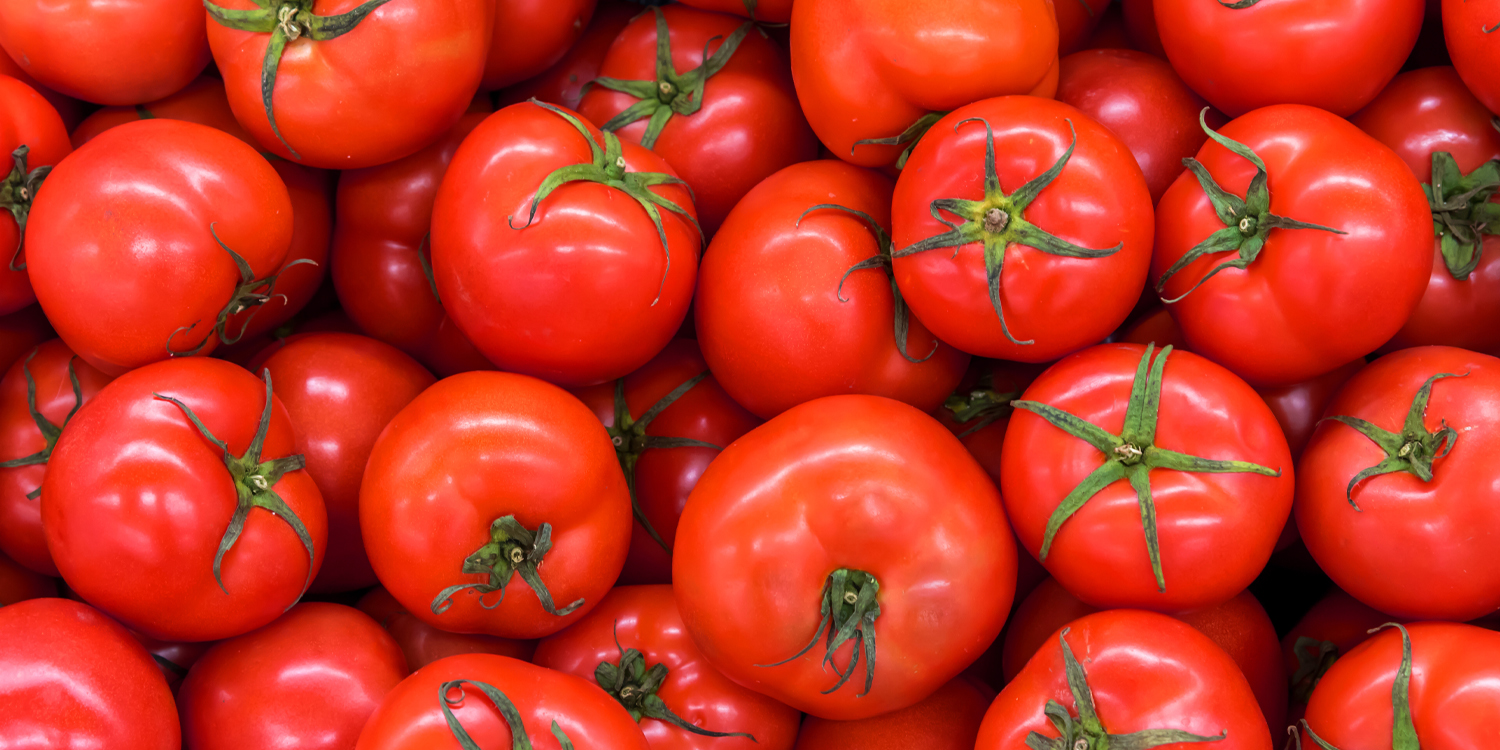
A recent clinical trial published in Antioxidants suggests that consuming tomato paste daily for three months may enhance cognitive abilities, specifically selective attention and face-name memory, in healthy middle-aged adults. The study, led by researchers from the University of Barcelona, examined the effects of a tomato-rich diet on brain health, as well as the potential role of lycopene, a pigment found in tomatoes, in supporting brain function.
The researchers recruited 47 healthy, non-smoking adults aged between 40 and 55 years, with 42 participants completing the entire study. The participants were randomly assigned to two three-month dietary phases, separated by a one-month washout period during which they returned to their usual diets. During the tomato phase, participants consumed concentrated tomato paste containing 0.5 grams per kilogram of body weight, averaging about 35 grams of paste (approximately two tablespoons) daily, which contained around 38.4 milligrams of lycopene.
In contrast, the control phase involved a low-lycopene diet that excluded tomatoes, watermelon, papaya, pink grapefruit, guava, and any food products made from these ingredients. Participants received a recipe booklet to ensure consistency in their meals during both phases.
Throughout the trial, participants' overall diet, sleep patterns, body composition, and physical activity were monitored using food questionnaires and activity trackers. Blood samples were collected at the start and end of each three-month period to measure blood levels of lycopene and brain-derived neurotrophic factor (BDNF), a protein that supports nervous system health.
Participants also completed three standardized cognitive tests: one assessing selective attention and visual processing speed, another gauging associative memory, and a third evaluating overall cognitive performance.
The findings indicated that the group consuming tomato paste showed modest improvements in attention and memory compared to the control group. Additionally, brain imaging revealed changes in the way certain brain networks communicated. Levels of BDNF protein also exhibited a borderline increase among the tomato paste group, although this result approached statistical significance.
These results support the notion that a single, common food—tomato paste—may contribute to cognitive enhancement during midlife. The researchers noted that the observed benefits likely stem from the lycopene content in tomato paste, as lycopene belongs to a group of fat-soluble plant compounds called carotenoids known for their ability to neutralize harmful oxygen molecules and cross the blood-brain barrier, potentially reducing inflammation and oxidative stress in the brain.
Animal and laboratory studies have demonstrated that lycopene may protect neural tissue and support neuroplasticity, the brain's ability to form new connections.
While prior observational studies have linked higher levels of carotenoids in the blood with better mental performance, direct clinical trials focusing solely on the cognitive impact of tomatoes in humans have been limited. This study aimed to isolate the effects of tomatoes alone, allowing for clearer conclusions about the specific role of lycopene in cognitive health.
Written by urgent.news from PsyPost's reporting — not their text. Machine-written — may contain errors; check the original before relying on it.